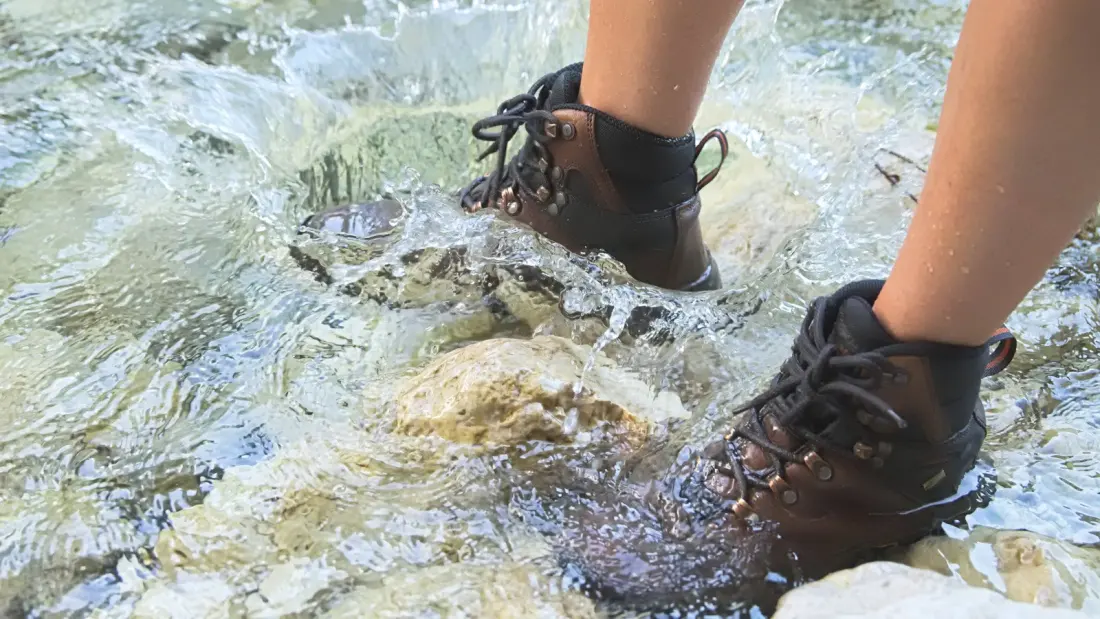
There's a particular misery in pulling on soggy hiking boots on day two of a camping trip. Whether you stepped into a puddle in non-waterproof shoes or forded a stream that ran over the tops of your 'waterproof' boots, damp footwear can haunt the rest of a trip. The good news: the fix costs nothing and weighs almost nothing — old newspaper.
The method is simple. Crumpled paper — newspaper, packing paper, even junk mail flyers — works as a moisture sponge. At camp, tip out any standing water, loosen the laces, pull the tongues forward and remove the insoles so they can dry separately. Then loosely stuff crumpled paper into each boot, pushing it right down into the toebox. As the paper absorbs moisture from the lining, swap it out for fresh sheets whenever it feels damp. It won't work in minutes, but it can cut hours off drying time, no electricity required — handy when you're nowhere near a wall socket or a gadget like an electric boot dryer.
A couple of caveats matter here. Keep the boots under shelter while they dry; leaving them outside the tent is one stray shower away from undoing the whole job. And resist the urge to park them beside the campfire. Excessive heat can weaken the adhesives holding the boot together and crack the leather — a slow, natural dry is far kinder to your kit.
Forgot the paper? There are backup tricks. Fill thin stockings with dry rice and tuck them inside the boots; the same principle as rescuing a water-damaged phone applies, though you probably shouldn't cook that rice afterwards. Another option popular with campers: a Nalgene bottle filled with near-boiling water, wedged with one end in each loosened boot like a boot-bottle-boot sandwich. The warmth helps moisture evaporate faster, and Nalgenes are built to handle boiling water without cracking.
Prevention is worth considering too. A spray-on waterproofing treatment from any outdoor retailer can keep shoes drier from the start, and beeswax works as a more natural alternative. Packing a few sheets of scrap paper weighs next to nothing, so it's an easy insurance policy for anyone heading into wet terrain.
Why does this matter for travellers? Because wet feet aren't just unpleasant — blisters, cold feet and damaged boots can cut a trip short. Whether you're trekking, camping, or on a multi-day hike where a lodge has no drying facilities, knowing how to dry your boots overnight with materials already in your pack is one of those small skills that quietly saves a holiday. Credit: Explore.com.