Around 800 adventure travel professionals gathered in Québec City from 14-17 September for the Adventure Travel World Summit 2026, and Indigenous partnership turned out to be the thread running through almost every room. The summit's theme, TRACE, pushed the industry to credit the cultures and knowledge systems that shaped adventure travel long before it became a business.
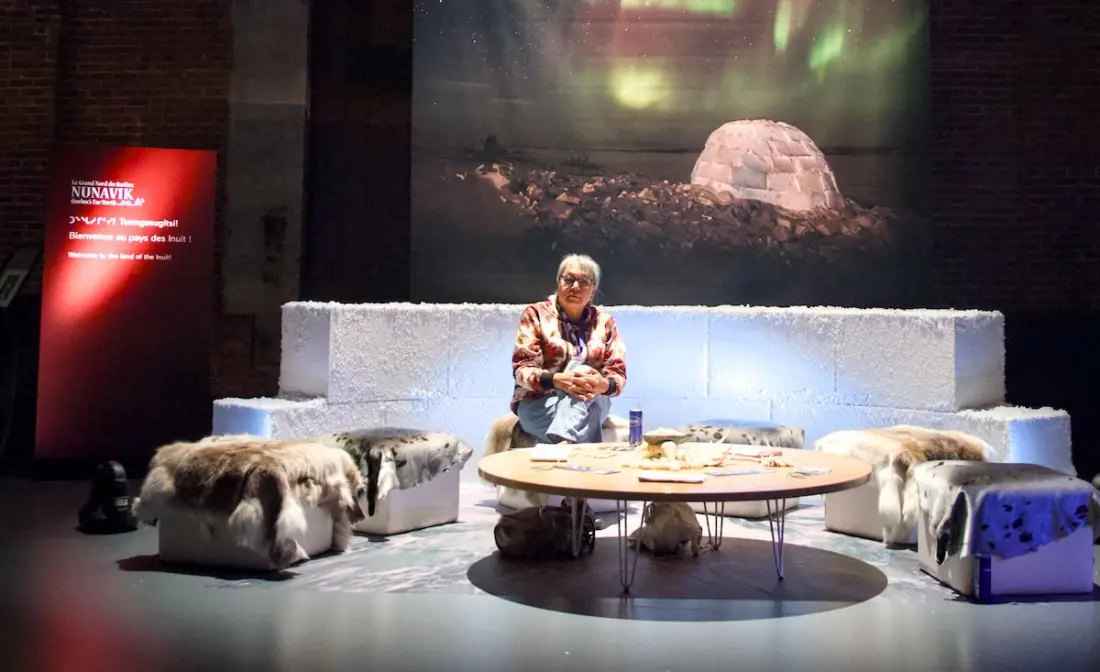
Some of the most striking examples came from Canada itself. Delegates from Nunavik, the Inuit region of northern Québec, described training programmes for Inuit tourism operators, while staff from Tursujuq — Québec's largest national park — explained that they lead trips alongside Inuit guides and are shifting next year's training budget toward natural history and cultural interpretation. The summit also heard the story of the Magpie River on the Côte-Nord, which the Innu paddled for thousands of years. When a hydroelectric dam threatened it, the Innu Council of Ekuanitshit and the regional municipality of Minganie granted the river legal personhood in 2021 — a rare move that has since funded community projects, including a cultural house.
The examples went global. In Namibia, Ongava's Rob Moffett outlined a 25-year joint venture with the Hai||om San community on a concession near a sacred waterhole in Etosha National Park, with a lodge and rhino reserve under construction and full community ownership planned for 2049. Australia and Brazil featured too: operator Phil Wyndham said every itinerary his team reviews must now include an Indigenous-led, Indigenous-owned experience — a rule born from a Queensland hike that flopped with clients until guides got proper cultural training. Meanwhile, Brazil's tourism authority Embratur is building a national Indigenous tourism framework with the federal agency FUNAI, with five communities already setting their own terms for fishing experiences.
The practical advice to operators was refreshingly blunt: learn whose land you operate on, put communities in decision-making roles, share the revenue, train guides in local culture, and let community members — not the tour company — be the heroes of the story. The Adventure Travel Conservation Fund also marked a decade of turning industry membership dues into grants for Indigenous-led conservation projects.
Why should a traveller care? Because these projects are becoming bookable experiences that are better, not just more ethical. A trip paddling the Magpie, an Inuit-guided journey in Nunavik, or a future stay at a lodge that will belong to the Hai||om means your money goes further into the communities hosting you — and the storytelling is first-hand. If you want travel where the people who've read the land for centuries are the ones leading, this is the direction the adventure industry is heading. The next summit takes place in Andalucia, with early-bird pricing until 31 December 2026.
Original reporting: Adventure Travel News.