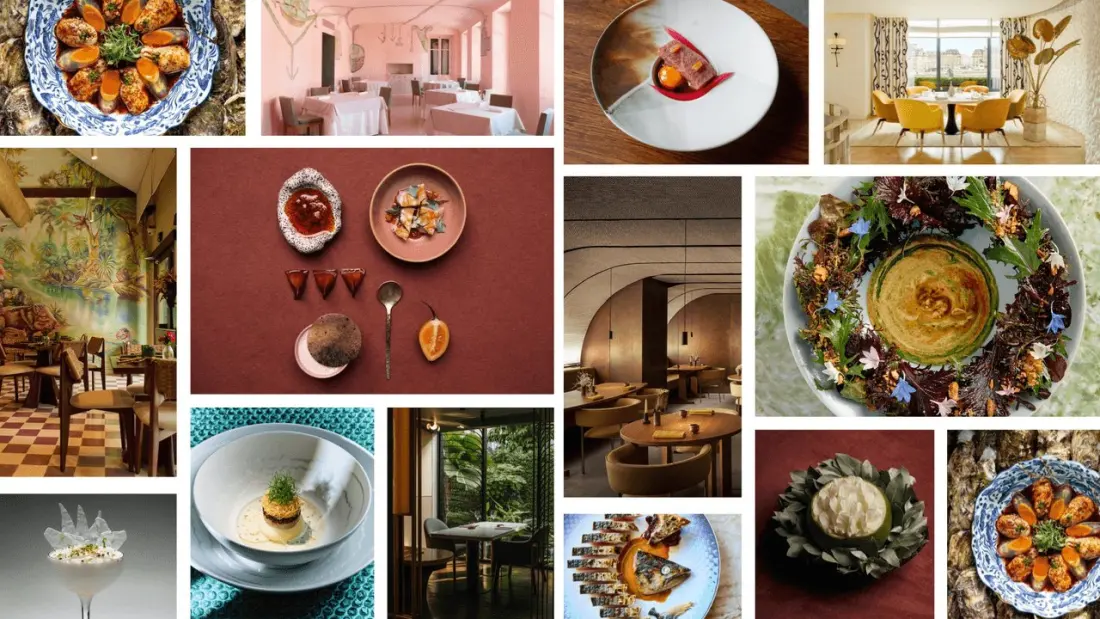
Lima's Teatro Municipal played host to the 50 Best Restaurants 2026 awards on November 4, where Asador Etxebarri — a grill-focused restaurant in the tiny Basque village of Atxondo, population under 1,500 — took the title of World's Best Restaurant. But beyond the podium, the chefs gathered in Peru had plenty to say about where dining is heading next year, and their predictions matter to anyone who plans trips around meals.
First up: traceability. Pía León, whose Lima restaurant Kjolle landed at number seven as the host country's top spot, says knowing exactly who grows your food and how is becoming central to her cooking. Josh Niland of Sydney's Saint Peter (number 50 and Best Restaurant in Oceania) goes further, calling documented sourcing 'non-negotiable' — his menu already carries QR codes letting diners watch the fisherman who caught their fish. Expect more high-end restaurants to show their working on provenance, labour and pricing.
Climate change is rewriting seasonality. Nicolai Nørregaard of Copenhagen's Kadeau — number eight, newly triple-Michelin-starred, and this year's Highest Climber after jumping from 41 — says unpredictable weather forces constant menu reshuffles, and sometimes preserving ingredients two years ahead because a harvest might simply fail next season. The knock-on effect for diners: no two visits to a top restaurant will taste the same, and that coveted dish from a review may be long gone. Arguably a good thing — every menu becomes a snapshot of one moment.
Luxury is getting leaner, too. James Gaag of La Colombe near Cape Town (number 35, Best Restaurant in Africa) is cutting courses, ingredients and time at the table — a far cry from the tweezers-and-foam maximalism of a few years ago. Meanwhile, formality is fading: Jeremy Chan of London's Ikoyi and Sheng Xiong of Singapore's three-star Odette both see stiff, white-glove service giving way to warmth. Xiong says older Singaporean diners, initially puzzled by the relaxed vibe, now prefer it.
The biggest trend for travellers, though, is destination dining. Niko Romito of Reale — set in a 16th-century monastery in remote Abruzzo, Italy — reports that his restaurant has shifted from a trip's afterthought to its main event, and he sees Abruzzo emerging as a tourism draw in its own right. The 2026 list backs him up: the number one spot sits in a Basque village, Vyn (number 23) is in a small fishing village in southern Sweden, and Naar (number 50, plus the Sustainable Restaurant Award) draws diners into the Himalayan foothills for open-flame cooking.
The takeaway for anyone planning a food-focused trip in 2027: look beyond capital cities. Some of the world's most compelling meals now require a scenic drive, and the payoff is a menu shaped by one patch of land, one season, and the people who farm it.
Full details via Condé Nast Traveler.