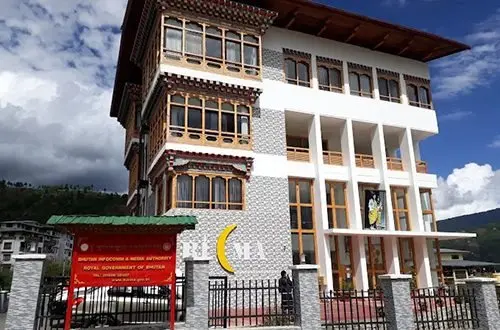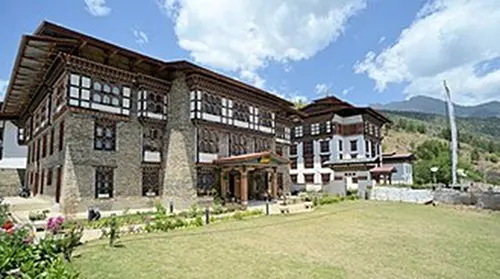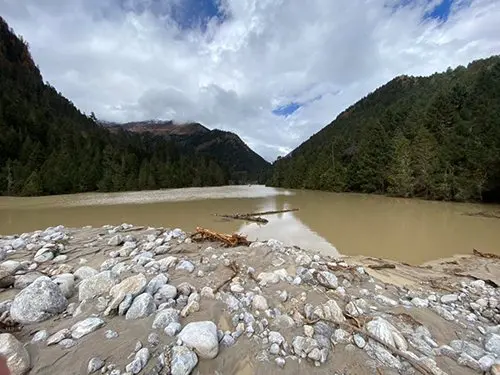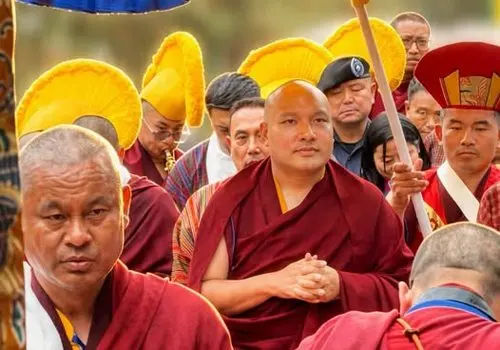
Every 17 December, Bhutan shuts down its ordinary business and throws its biggest state occasion: National Day, marking the coronation of the country's first king. Tourists are allowed to attend — and it's one of the rare moments when visitors get to see the monarchy, the military and everyday Bhutanese life all in the same place.
The date honours 17 December 1907, when Ugyen Wangchuck was enthroned at Punakha Dzong as the first hereditary monarch of the Wangchuck dynasty, replacing an older dual system of religious and secular rule. Five kings later, the monarchy is still the centre of national identity, even though Bhutan became a democratic constitutional monarchy in 2008. The 2026 celebrations will be the 119th anniversary.
So can foreigners actually get in? Yes. The flagship event usually happens at Changlimithang Stadium in central Thimphu — a venue with its own history, since the ground was where Ugyen Wangchuck defeated his rivals in an 1885 battle. More than 20,000 people attended the 117th National Day there in December 2024, including roughly 200 international guests. But note that the main royal ceremony doesn't always stay in the capital: in December 2025, the King's address was held at Wangduechhoeling Palace in Bumthang, the dynasty's ancestral heartland, while Thimphu still held its own events with the speech shown by broadcast.
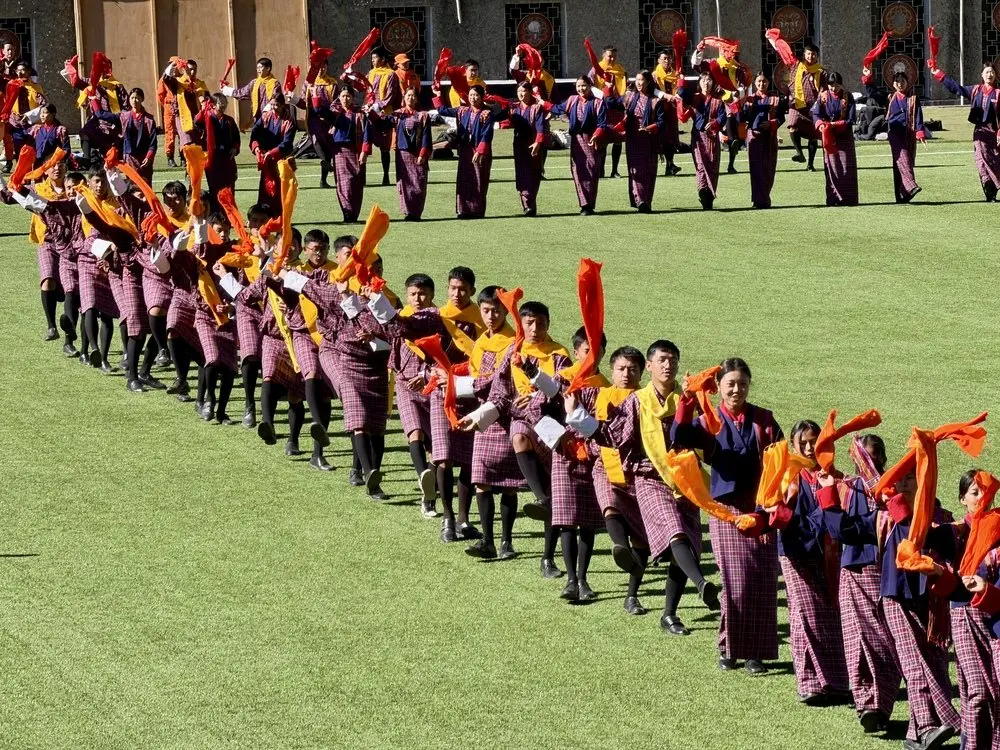
What actually happens? Expect the national anthem, flag-raising, military formations and processions, followed by the King's address — a substantial speech on national priorities (the 2025 one covered the ambitious Gelephu Mindfulness City project). There are also traditional dances, student performances and community groups, with most Bhutanese turning out in national dress: the gho for men, the kira for women. Don't confuse this with a religious tshechu festival — masked Buddhist dances are not guaranteed here. And the day isn't just a capital event; districts, schools and monasteries across the country run their own smaller ceremonies.
Practical points for visitors: you're not required to wear traditional dress, but smart, respectful clothing fits the occasion, and covered shoulders and knees matter if you're visiting religious sites. The bigger issue is the cold. National Day falls in winter, and Thimphu sits at around 2,300 metres — mornings are freezing if you're sitting outside in a stadium for hours. Pack a warm jacket, thermals, hat, gloves and solid shoes. On the plus side, December is Bhutan's dry season, and clear skies can reward you with Himalayan views from spots like Dochula Pass.
Two caveats worth remembering. Entry arrangements change year to year and can involve security screening or locally coordinated seating — attending doesn't guarantee access to every official function. And this is fundamentally a national occasion for Bhutanese citizens, with tourism a secondary concern; visitors should treat it as something to observe and join where invited, not a show staged for them.
If you want it organised, Young Pioneer Tours runs a five-day National Day tour (16–20 December in both 2026 and 2027) that pairs the stadium celebrations with Dochula Pass, Tashichho Dzong, Paro's dzong and museum, and the Tiger's Nest hike. But even travelling independently, timing a December trip around National Day gives you a sharper picture of modern Bhutan than any monastery photo stop.