English might feel like a global default, but step off the tourist trail in a handful of popular destinations and that assumption falls apart fast. A new roundup based on the EF 2025 English Proficiency Index, paired with traveller reports and local media, flags the countries where speaking English alone will only get you so far — and how to cope when it doesn't.
Japan is the standout surprise. Despite world-beating transit and hospitality, it ranks a lowly 96th out of 123 countries for English proficiency. In Tokyo's high-end venues you'll manage; in small towns like Obuse or a neighbourhood ramen joint, you'll be pointing at picture menus and leaning on phrases like "sumimasen" and "wakaranai". Road signs in English thin out quickly once you leave the main circuit.
South Korea ranks just moderately (48th), and a 2015 government survey of 12,000 foreigners already flagged language as the top frustration. Apps like Papago help, and Naver navigation gets mixed reviews. Yet none of this has dented demand — over 15 million foreign visitors arrived in the first eight months of this year.
China, at 86th, has sharp regional swings: Beijing, Shanghai and Guangzhou are manageable, but big draws like Xi'an and Yunnan score in the low tiers. The trickier hurdle is payments — daily life runs on Alipay and WeChat Pay, so seasoned travellers suggest setting both up before you land.
Mongolia (95th) is bilingual-friendly in Ulaanbaatar, where young hospitality workers often speak English and menus are dual-language. Outside the capital, in ger camps and on the steppe, you'll need gestures, a guide, or a few words of Mongolian. Visitor numbers hit a record 475,974 in the first half of 2026 regardless.
Madagascar runs on Malagasy and French, with English mostly confined to Antananarivo's hotels and tour operators. Since the country's best experiences — rainforests, canyons, deserts — lie far from the capital, booking a bilingual guide who can double as an interpreter is close to essential. Greeting first with "salama" opens doors.
Kazakhstan rounds out the group at 107th, officially "very low proficiency". Kazakh and Russian dominate, and many ATMs have no English option at all — travellers reportedly photograph the screen and translate it. Learning the Cyrillic alphabet pays off, since words like "банк" and "метро" are recognisably familiar.
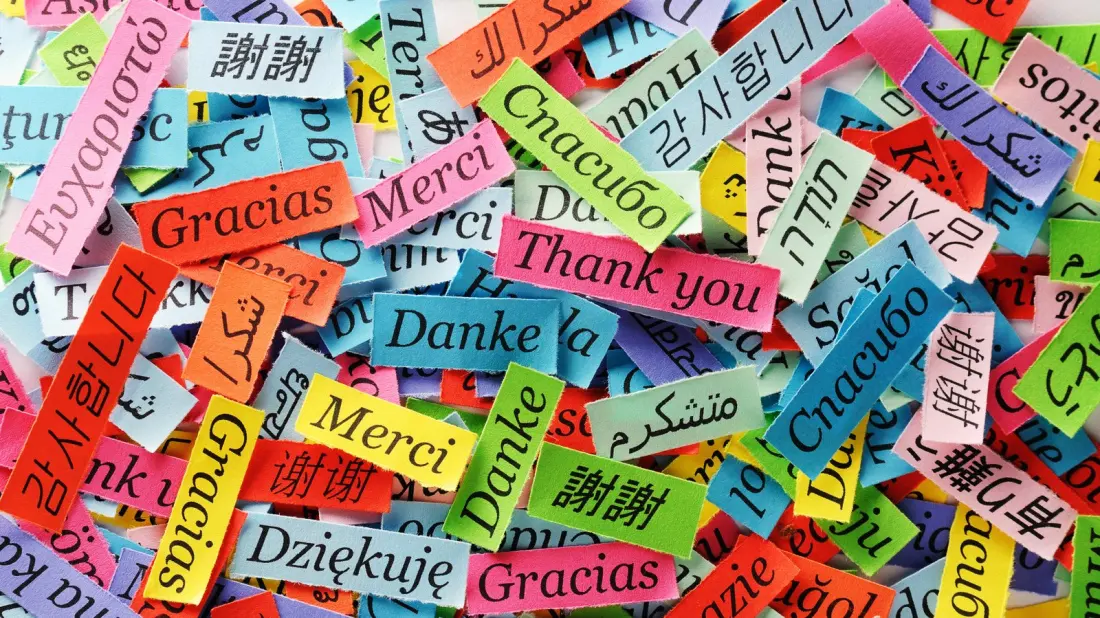
The common thread: none of these places is any less worth visiting, and the friction often produces better travel. Translation apps, offline language packs, a handful of local phrases and a willingness to gesture your way through a conversation will get you further than fluency in English ever will.