Costa Rica's sport fishing industry just got a scientific update. At the third annual La Alfombra Azul conference in San José, organised by the Costa Rican Federation of Tourist Fishing (FECOP) on November 6, researchers from the Guy Harvey Foundation shared early results from a satellite tagging programme in the Eastern Tropical Pacific — and the data says a lot about the fish that draw anglers to the country's Pacific coast.
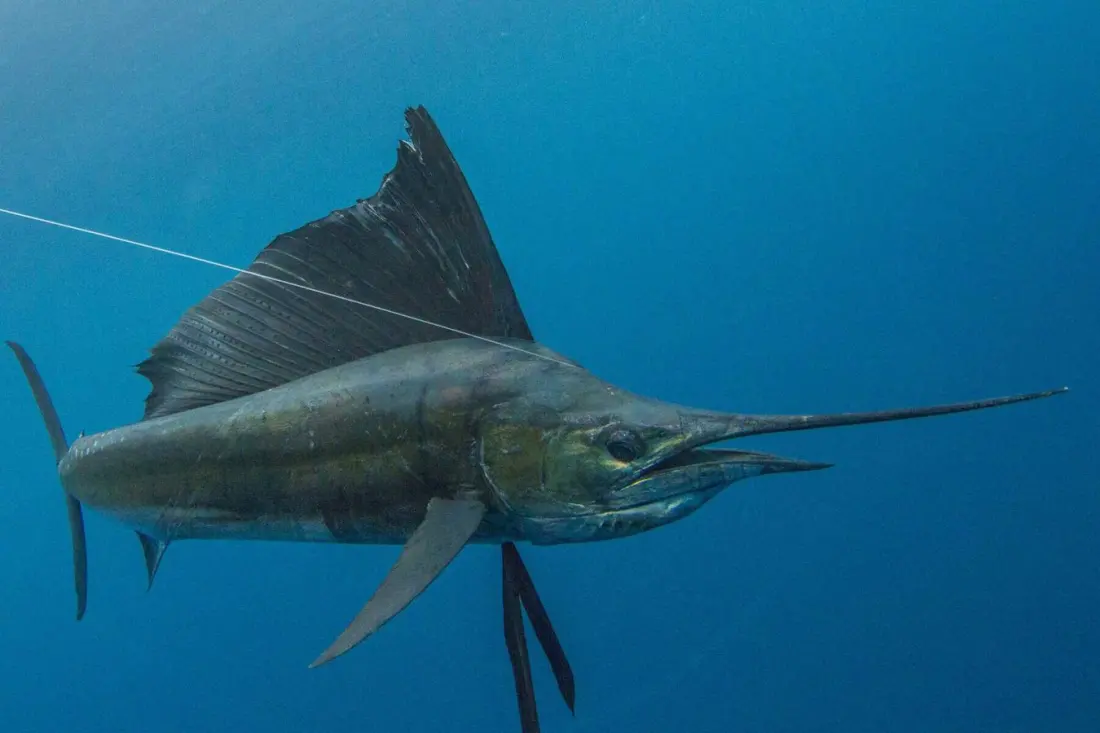
So far, 106 billfish have been tagged: 46 black marlin, 30 blue marlin and 30 sailfish. The trackers show the species behave differently. Blue marlin roam far and wide across the ocean, while black marlin prefer to stay nearer the coast — useful knowledge for anyone planning which waters to fish and what to expect when they get there.
The post-release numbers are the most interesting for travelling anglers. Sensors recorded average recovery times of 8.9 hours for blue marlin and 4.9 hours for sailfish after being caught and released. In plain terms: catch-and-release, the backbone of Costa Rica's conservation-minded fishing model, appears to work, and researchers now have hard data on how quickly fish bounce back. That evidence matters for a sector worth roughly $500 million a year, per a FECOP economic study, supporting hotels, marinas, guides and crews along both the Pacific and Caribbean coasts. At Marina Pez Vela in Quepos, more than 93% of fish recorded across 45 tournaments since 2013 were released.
The conference also tackled the thornier question of fish aggregating devices — floating structures known locally as plantados that attract billfish and boost catch rates. Costa Rica currently restricts them through measures involving INCOPESCA and other authorities, while Panama is running a three-year pilot programme for recreational use. A regulatory study presented at the event suggested satellite vessel monitoring could allow a managed recreational FAD fishery, though 60% of expert interviews flagged concerns about fishing pressure and conflicts between user groups. Because marlin and sailfish cross international waters, whatever Costa Rica decides will be shaped by what its neighbours do.
There's a new strategic roadmap too, developed with US Embassy funding and input from 110 industry participants, aiming to fix fragmented representation, regulatory gaps and pressure on marine species. Community initiatives from the Osa Peninsula, Paquera, Parrita, the Gulf of Papagayo and Barra del Colorado got a showcase as well, including youth training, women in maritime work and tarpon conservation on the Caribbean side.
For travellers, this is reassurance and a heads-up in one. Costa Rica remains one of the world's most reliable destinations for billfish, and the science suggests released fish recover quickly. But regulation around FADs and seasonal rules is in flux, so booking with captains who follow FECOP-backed practices is a safe bet — and now you know the fish you release are likely back on the hunt before you've finished your post-fishing beer.
Story via The Tico Times.