Passive sightseeing is losing ground fast. Adventure travel is now heading towards a trillion-pound valuation, and the shift is being driven largely by younger travellers: studies suggest more than seven in ten Gen Z and millennial holidaymakers now pick active trips over conventional beach resorts. Just as notable is the rise of solo travellers signing up for small-group expeditions — people who start the week as strangers and finish it swapping photos and travel plans.
The big myth to bust is that you need to be ultra-fit to join in. The fastest-growing corner of the market is "soft adventure": itineraries where genuine physical effort — a day's trek, a stretch of whitewater, a wildlife tracking session — is balanced out by a comfortable bed, good food and expert local guides at the end of it. This style of trip now accounts for roughly two-thirds of all adventure bookings. Logistics, meals and accommodation are handled for you, and most operators can tweak an itinerary to match your pace and interests.
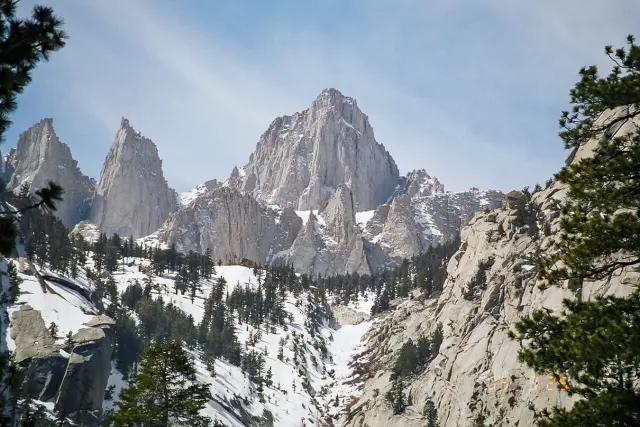
So what does that look like in practice? Think rafting through deep European canyons, taking on iconic summits, or tracking rare wildlife in India — the kind of experiences that are hard to organise solo but come ready-made with a good group outfitter. A knowledgeable guide does more than keep you safe: they unlock access, explain what you're looking at, and handle the permits and local know-how that would take months to arrange on your own.
The group format is part of the appeal, too. Small expeditions tend to attract people with a shared appetite for the outdoors, which lowers the social barrier for solo travellers and often produces the camaraderie that makes a hard day on the trail memorable. You're splitting costs like transfers and guides, getting safety cover in remote terrain, and gaining the flexibility to push yourself without carrying the whole plan on your own shoulders.
Who is this for? Anyone who wants their holiday to feel like an achievement rather than a recovery. If you've outgrown all-inclusive pools but don't fancy months of route planning, a soft-adventure group trip sits neatly in between: challenging by day, comfortable by night, and fully supported from start to finish. When comparing operators, look at group size, guide qualifications, how much of the itinerary is adjustable, and what the accommodation is actually like — that last detail is what separates a proper soft-adventure trip from a boot camp in disguise.
With demand surging, the most desirable departures — think Inca Trail permits or Arctic-season windows — sell out well ahead, so booking early matters more than it used to. If a summit, a canyon or a tiger reserve has been sitting on your list, this is the year to commit.
Story via Condé Nast Traveller UK.