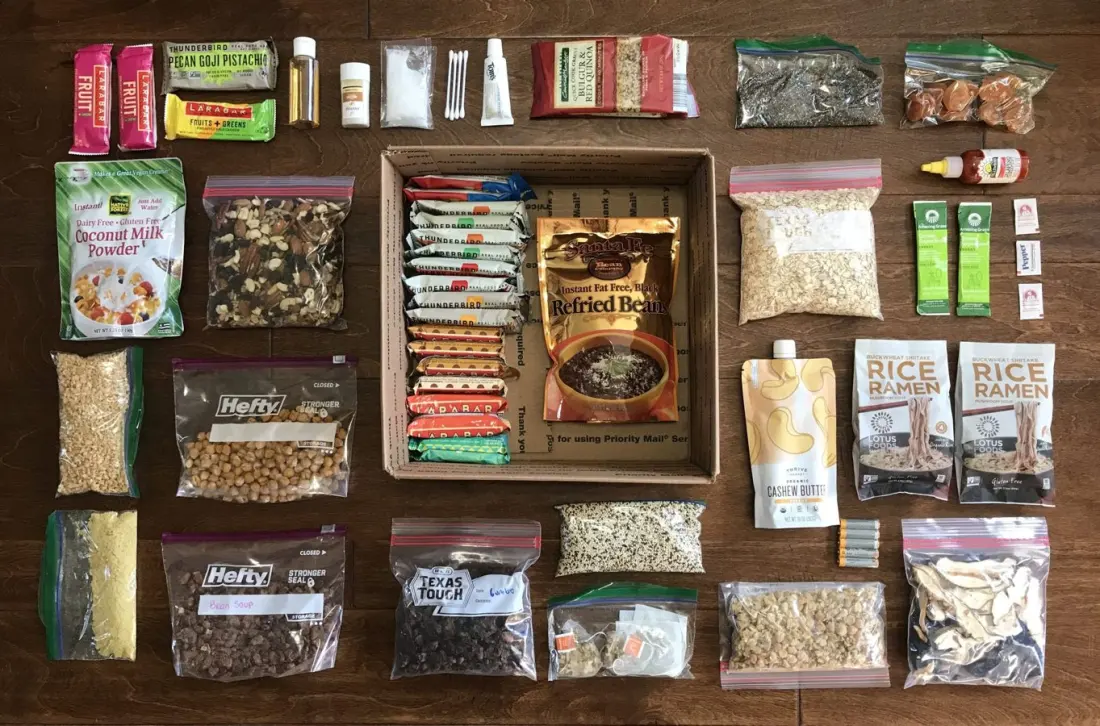
Every year, thousands of people set off on America's long trails — the Pacific Crest Trail, the Appalachian Trail and their siblings — and many spend months before their start date shopping, packing and labelling boxes of food to mail ahead. According to one veteran thru-hiker, that effort often turns out to be wasted. Writing after hiking the AT in 2021 and the PCT in 2025, they lay out five reasons the resupply box strategy frequently ends in regret.
The first problem is appetite drift. Cravings change dramatically after months of walking 20-plus miles a day. The author loved tuna packs on the Appalachian Trail, then found the smell made them nauseous on the PCT — meaning any boxes pre-filled with tuna back home would have been money straight into the hiker box. The second issue is cost. Bulk buying feels cheaper, but shipping and holding fees add up fast: one PCT couple spent nearly $500 on postage alone, before counting the food inside.
Then there's the sheer labour. Calculating days of food per box, shopping, packing and shipping for dozens of stops is a serious project — and doing it mid-hike can eat an entire rest day in town, as it did for the author near Bend, Oregon. Boxes also lock you into a rigid schedule. Post offices keep business hours, so a Friday-evening arrival can mean waiting until Monday, and you may hike faster or slower than your body wants just to collect a parcel. On the PCT, that can mean choosing between a box waiting in Lake Isabella and joining friends who've detoured to Ridgecrest.
Finally, pre-packed boxes usually need a willing volunteer back home — the affectionately named 'trail boss' — who stores and ships them over months, often guessing your needs with patchy phone signal. That's a big ask of a friend or parent.
That said, boxes aren't pointless. Hikers with allergies or strict diets (gluten-free, vegan) often can't rely on small trail towns and gas stations, and genuinely remote stretches still reward a mailed drop. The author's middle path is the smartest takeaway: buy and ship boxes from trail towns as you go rather than prepping everything at home. That way you adjust to what your body actually wants, and you can still send food ahead where the options are thin. As long-distance trails grow in popularity, resupply infrastructure has improved too — places that once demanded a box may now have a decent store.
For anyone eyeing a thru-hike, the message is reassuring: you don't need every meal mapped out before your start date. Pick a simple strategy, stay flexible, and change it when the trail tells you to.