Order a shawarma in Cairo these days and there's a good chance it arrives Damascus-style: thin saj bread blistered on a griddle, a generous swipe of garlic sauce, sharp pickles on the side. It's a different beast from the Egyptian version many locals grew up on, and increasingly it's the one they ask for. Over roughly a decade, Syrian cooking has gone from refugee family kitchens to a full-blown fixture of Egyptian eating out.
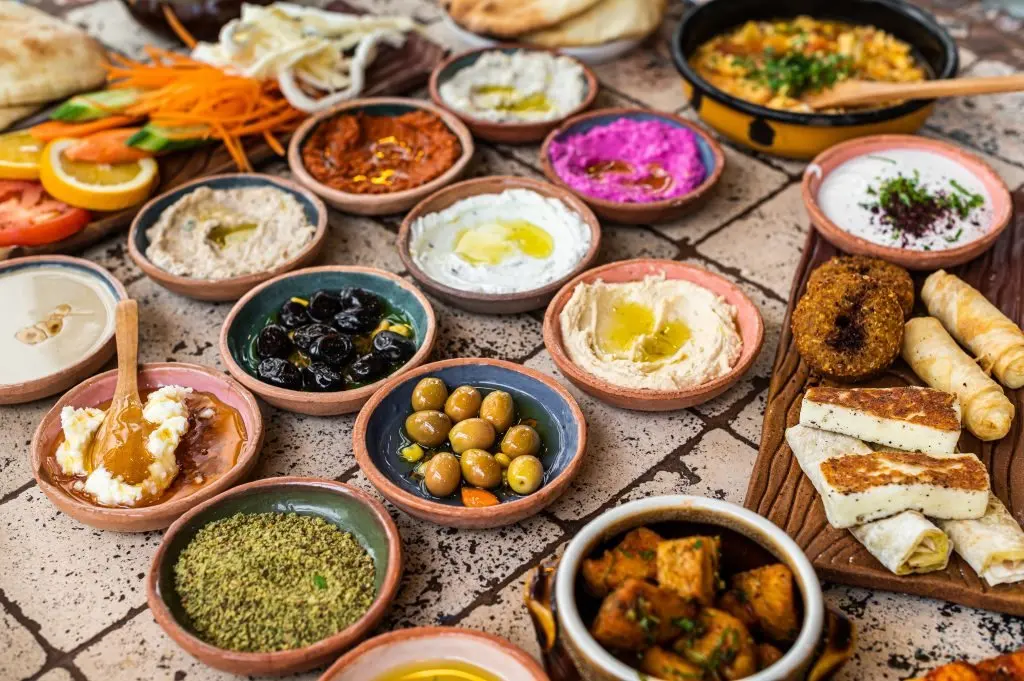
The scene is broader than shawarma, though that's the obvious entry point. Charcoal grills dominate many menus — kebabs, kofta, lamb and veal dishes, smoked cuts — and home-style Levantine plates have found an audience too. Chicken and beef fatta, shish barak (yoghurt-dumplings), kebbeh and labneh makdous now sit comfortably on restaurant lists, with Egyptian food creators on YouTube and TikTok amplifying the trend to large audiences.
The backstory matters. Since 2011, Syrians who arrived in Egypt as refugees have turned family recipes into livelihoods, and that entrepreneurship has built entire commercial clusters. The clearest example is 6th of October City, the suburb southwest of Cairo nicknamed "Little Syria," where Syrian investment backs community bakeries, sweet shops and eateries like Karam el-Sham. The reach now extends beyond the community itself: Damascus brand Naranj has opened a polished branch in New Cairo, betting that Egyptian diners will pay for an upscale Levantine experience.
They're competing with local names rather than operating in a vacuum. Al Aseel El Demashky and Anas Al Demashky hold their own in New Cairo, while sweet shops Abou El Kheir and Zaman Elsham have become neighbourhood fixtures and social media favourites. The spread from casual chains to sleek concepts suggests demand across every price point — not just nostalgic expatriates chasing a taste of home.
For travellers, this is one of the more rewarding food stories to follow in Egypt right now. Cairo's dining reputation leans on koshary, ful and molokhia, but the Syrian layer gives you a second cuisine to work through, often at modest prices. A practical approach: spend an afternoon in Little Syria in 6th of October City for bakeries and sweets, then compare a street-level shawarma with a sit-down grill dinner in New Cairo. By the end of the week you'll be one of those locals who can tell a Syrian shawarma from an Egyptian one at a glance. It's also, quietly, a story worth eating towards — food that let displaced families rebuild, and that Egyptians adopted entirely on its merits.