Europe's summer crowds are not a myth. Roughly half of all international arrivals land between June and September, meaning January visitors face up to three times fewer people at the same museums, trails and attractions. The upside is obvious for anyone willing to swap beach weather for mulled wine: cheaper, calmer, and a completely different side of the continent — one that's easier than ever to reach, with Lufthansa flying daily from 18 U.S. cities to its German hubs.
Germany is the natural base camp for a winter trip, and Munich is where the traditions most of us grew up with — decorated trees, gingerbread, St. Nick — feel most at home. From late November through December, the Christkindlmarkt fills Marienplatz in the old town with hand-carved ornaments, wooden toys, cuckoo clocks and carolers. It's the biggest market in the city, but every Munich neighbourhood runs its own; the Tollwood Winter Festival is the pick for alternative arts and serious food. If you want snow with your strudel, Garmisch-Partenkirchen — gateway to the Bavarian Alps — is only an hour south.
Frankfurt rewards walkers. Its winter market sprawls across more than 230 stalls, best navigated with a Bethmännchen (the city's marzipan pastry) in one hand and a mug of hot apple wine in the other. Follow the route along the Main River, then duck into the Palmengarten glasshouses, where tropical, desert and alpine gardens coexist in the middle of the city. Beyond town, the Taunus woods offer hundreds of marked winter trails for the quiet-seeking sort.
Berlin plays a different game. The city is essentially an open-air museum in any season — its bridges outnumber Venice's — and winter empties the Tiergarten paths enough to enjoy them. When the cold bites, the gallery clusters on Auguststraße and Potsdamer Straße are close by, and the city's international-leaning café scene and late-night clubs run hot all year. New Year's Eve in Berlin is famously unmissable.
Winter also unlocks the rest of Europe on the cheap, crowd-wise. Florence's Renaissance landmarks are far more navigable in the off-season, the Dolomites hit their scenic peak, and Venice's Carnevale runs in late January and February. Paris gets a comeback story too: the Champs-Élysées Christmas market returns after a decade away, with some 200 chalets lining the avenue. And if you'd rather skip the cold entirely, Athens in winter means having the ancient sites nearly to yourself.
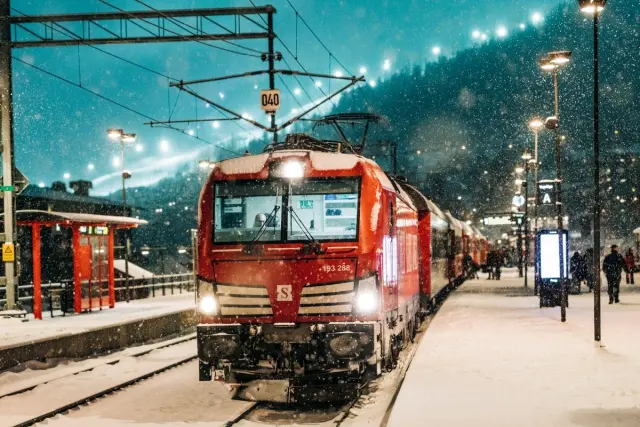
Who is this for? Anyone who has written off Europe as too crowded or too expensive in high season. Winter travel trades queues for markets, and city breaks for alpine day trips — all within a short train ride of Germany's main hubs.