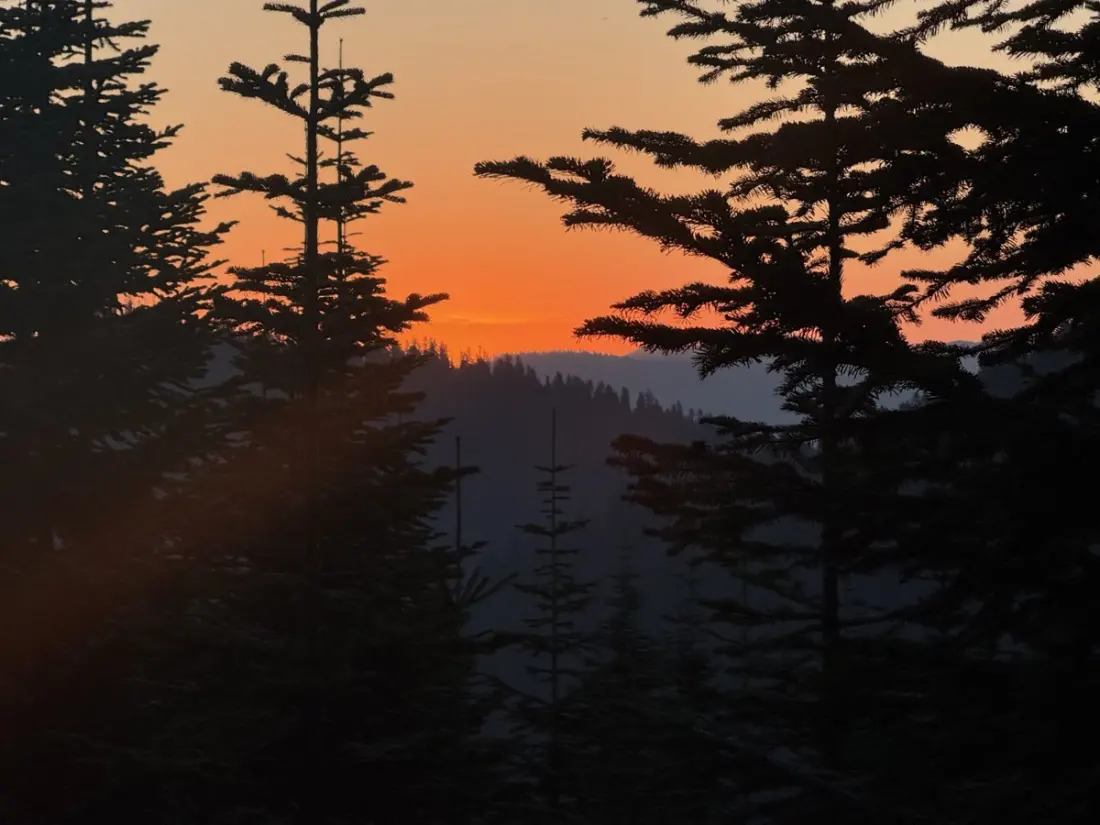
With roughly 300 miles left on a 2,650-mile trek, a Pacific Crest Trail thru-hiker has reached the point where the walking is done not for scenery alone, but around obstacles. In days 127-131 of a hike now in its fifth month, the final push from White Pass toward Snoqualmie Pass in Washington State has been reshaped by wildfire, a yearly reality for late-season PCT hikers.
The routine by this stage is honed to a science. Camp is set, food is prepped the night before, phone and headlamp charged, and mornings begin with cat-cow and bird-dog stretches that fixed an early-trek back problem. Daily distances hover around 21-27 miles, and the hiker's legs have adapted, covering eight miles per litre of water in cooler weather versus five earlier in the trip. Washington delivers steep, relentless up-and-down terrain but well-maintained trail and views of Mt Rainier, sometimes hazed by smoke.
There have been consolations. A cold beer left trailside at Chinook Pass, a donut and two separate trail magic setups in a single day, and llama tracks from a group running pack hikes for people with Parkinson's disease. Encounters are bittersweet: the hiker bid farewell to Cali, a Navy veteran who began the trail while on terminal leave after nine years of service.
Then came the complications. Fire closures knocked out a chunk of the official trail, forcing a decision familiar to many PCT hikers in recent years: road walk roughly 60 miles, or detour west to Monument 47 near the Canadian border. A detour along lakes on an abandoned railroad grade — its snow-shed foundations still standing — offered knee relief but also a close call with a box truck on a narrow bridge. When a new blaze, the Maloney Ridge fire, broke out within two miles of the alternate route, the hiker used the Watch Duty fire-tracking app, weighed the risks until noon, then skipped ahead via Seattle and a train to Mt Vernon to join the Pacific Northwest Trail instead.
It's a reminder for anyone dreaming of a PCT thru-hike: the trail isn't just long, it's dynamic. Fires close sections every summer, and finishing means adapting, whether that's road walking, alternate routes through Mt Baker country, or piecing together other long-distance trails to reach the border. The hiker's takeaway applies to any big trip — the people met along the way, from fellow trekkers to friendly Texan train passengers, end up mattering as much as the miles.