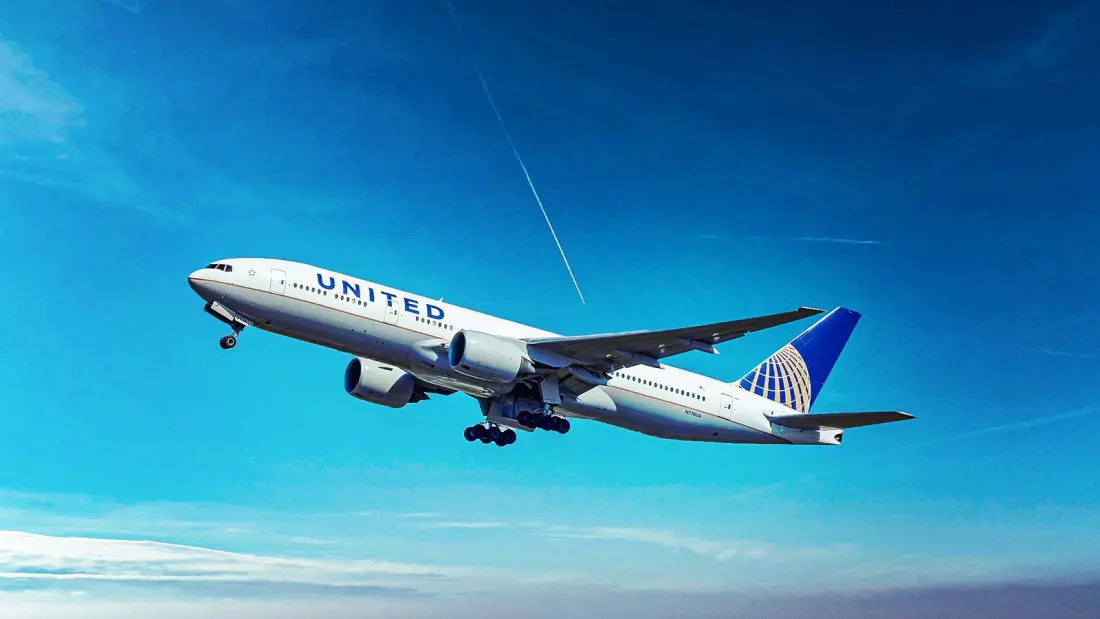
The second Boeing 777 ever built is still earning a living. N774UA, delivered to United Airlines in March 1996, is now the oldest active triple seven flying paying passengers anywhere in the world. In a single week this November it logged 61 flying hours across 12 routes, almost entirely on the busy corridors between Honolulu and mainland hubs in San Francisco, Los Angeles, Denver and Houston.
The jet's CV is remarkable. Built in Everett, Washington as line number two, it first flew on July 15, 1994, then spent nearly two years in Boeing's flight test fleet before starting commercial service. During that testing phase it helped secure a landmark 180-minute ETOPS approval for its Pratt & Whitney engines — the clearance that finally let twin-engine airliners cross oceans and retire the likes of the DC-10 and 747 from long overwater routes. The airframe now has over 98,000 flight hours, yet by its own design limits it is not even halfway through its service life.
Not everything went smoothly early on. The plane rolled out roughly 3,000 pounds overweight, a door seal burst during a 42,000-foot test flight, and the first engines burned more fuel than promised — issues Boeing had to fix before United would accept delivery. Later came a bigger scare: after a fan blade failure on a sister aircraft leaving Denver in February 2021, United grounded its whole subfleet, and N774UA sat in desert storage for 15 months while every blade was ultrasound-inspected.
Why keep it flying? Simple economics. United owns N774UA and its sister ship N773UA outright, so there are no lease payments or depreciation to carry. Both are configured for volume, not luxury — 364 seats across 28 domestic first recliners and 336 ten-abreast economy seats. That density, plus a cargo hold that can take 122,700 pounds of bags and freight (think Hawaiian pineapple and fresh fish exports), makes them ideal for Hawaii's high-demand routes. The trade-off for flyers: these cabins are drier and pressurised to a higher simulated altitude than a modern 787, and the jets burn roughly 20% more fuel per seat.
There's also a wider shortage keeping old jets valuable. With 787 production constrained and the delayed 777X not reaching airlines until at least 2027, carriers worldwide are leaning on proven first-generation widebodies. Boeing, notably, chose to evolve this very design for the 777X rather than start from scratch — the fuselage and fly-by-wire architecture pioneered on N774UA, married to carbon-fiber wings with folding wingtips.
For travellers, this means your United flight to Honolulu may well be aboard a piece of living aviation history — and one of the last two jets in Continental-era colours still flying in United's fleet. Aviation fans can even track it in real time on flight trackers and try to snag the oldest 777 in the world on a given day.