The shortest day of the year is nearly here, and across Europe it's treated less like an astronomical footnote and more like a party. The winter solstice — from the Latin 'sōlstitium', meaning the sun stands still — lands in late December (Stonehenge marks sunrise on 22 December 2026), and the continent's oldest monuments and folk traditions all seem built around it.
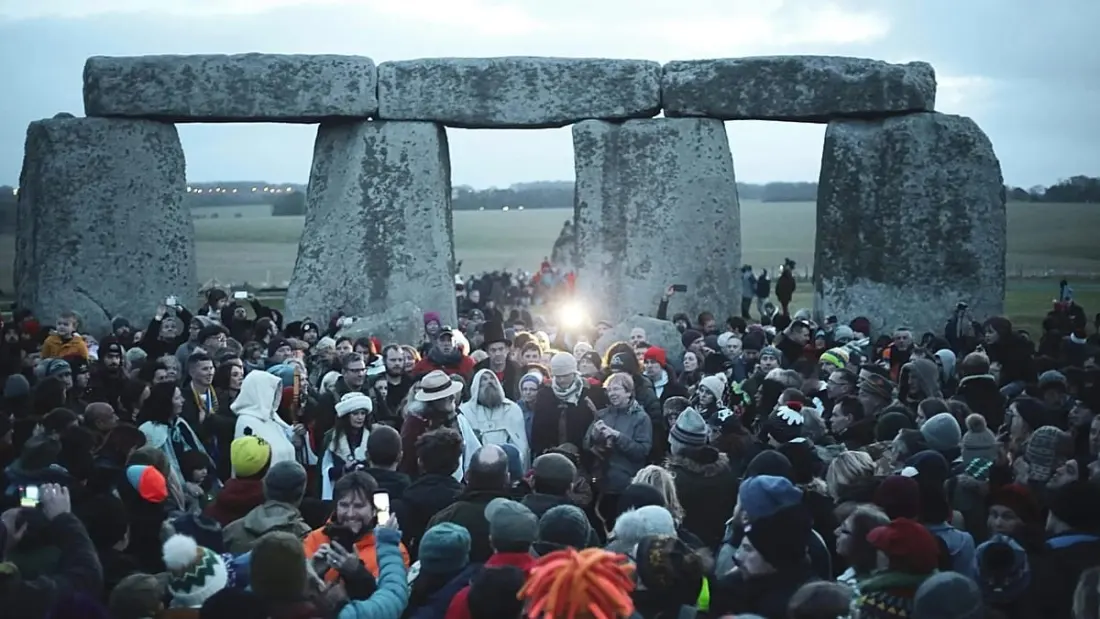
Stonehenge is the obvious draw. The 4,500-year-old stone circle in Wiltshire appears to have been aligned deliberately so the stones frame the midwinter sunset, and archaeologists believe Neolithic people gathered there for solstice feasts. On 22 December 2026, sunrise is at 8:09am, and English Heritage opens the site up for free to the crowds of solstice-watchers who turn up each year.
Ireland offers an even rarer experience. Newgrange, the kidney-shaped passage tomb in County Meath, is one of the oldest astronomically aligned structures on Earth. On the mornings of 19–23 December, a beam of sunlight enters the roof-box and travels up to 19 metres along the passage, lighting the inner chamber for 17 minutes. Fewer than 40 people, each with a guest, are chosen by lottery to stand inside — so apply well ahead, or enjoy the atmosphere outside with everyone else.
Much of northern Europe celebrates an 'old solstice' on 13 December with St. Lucia's Day, a blend of Christian martyr commemoration and Norse folklore. In Sweden, white-robed 'Luciatåg' processions — led by a girl wearing a candle crown — are broadcast on national television and held in schools, churches and workplaces. Helsinki's Lucia crowning and parade draws around 30,000 people. Norway keeps it culinary: saffron-stained, s-shaped 'lussekatt' buns, traditionally eaten only on this one day.
Further south and east, Slavic countries stage Koliada, a pre-Christian solstice festival surviving in Czechia and Poland. Costumed processions — goats, bulls and assorted evil spirits — once went door to door singing carols to 'cleanse' each house, collecting sweets and money in return. And in Latvia, solstice on 21 December means dragging a yule log around your home or neighbourhood before burning it in a communal bonfire, symbolically incinerating the old year's misfortunes. In Rīga's old town, the log is rolled through several streets from the Town Hall, accompanied by singing, dancing and traditional games.
For travellers, this is one of the better excuses to embrace winter rather than flee it. Each of these events is free or low-cost, deeply local, and photographs beautifully in low winter light. Pair Stonehenge with a visit to nearby Salisbury, time Helsinki around the Lucia parade for a full festive weekend, or base yourself in Rīga, whose Christmas markets stack neatly onto the solstice bonfires. The lottery-based Newgrange experience is the outlier — enter months in advance and have a backup plan.