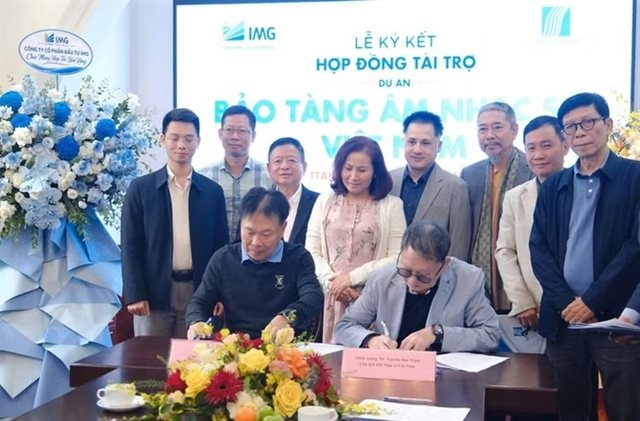
Vietnam's musical memory is getting a hard drive. The Việt Nam Musicians' Association has officially launched the Digital Music Museum of Việt Nam, a project that will collect, digitise and publish thousands of musical works and folk melodies from all 54 of the country's ethnic groups on one dedicated online platform.
The scale of the problem is striking. Vietnam's musical heritage exists largely in fragile, scattered formats — handwritten manuscripts, printed scores, cassette-era audio recordings, videos, photographs and personal papers — with no systematic catalogue. Association chairman and musician Đức Trịnh says surveys show many composers still hold hundreds of unreleased works in private archives. Even the estates of major figures like the late Đỗ Nhuận and Trọng Bằng, whose musicals and symphonies helped define Vietnamese music, remain largely undigitised. He estimates tens of thousands of compositions sit alongside the folk traditions of 54 ethnic groups, all needing preservation.
The museum will be organised around five areas: the history of Vietnamese music across eras; profiles of composers, artisans and performers; landmark works; the country's system of traditional musical instruments; and the contexts and genres of traditional music. By combining documents, images, audio and interactive features, the platform aims to serve researchers and students as much as curious listeners. It has a rights dimension too — the association frames it as a way to protect composers' copyrights while keeping their work accessible, with sponsorship from IMG Company backing the effort.
Composer Đỗ Hồng Quân, an associate professor involved in the project, describes it as something generations of Vietnamese musicians have wanted: a permanent system to archive and promote the nation's music rather than ad-hoc efforts by ageing veterans. He frames it as a way for Vietnamese music to 'reach audiences around the world', and the project aligns with Vietnam's broader national digital transformation push under Politburo Resolution No 57.
For travellers, this is a quietly useful development. Anyone who has been moved by a ca trù performance in Hanoi or a中央 highland gong ensemble knows how hard it can be to find recordings or context afterwards. Once the platform matures, it should become a free way to explore Vietnamese instruments, regional genres and composers before or after a trip — a deep listening library behind the live performances you'll encounter in the country.