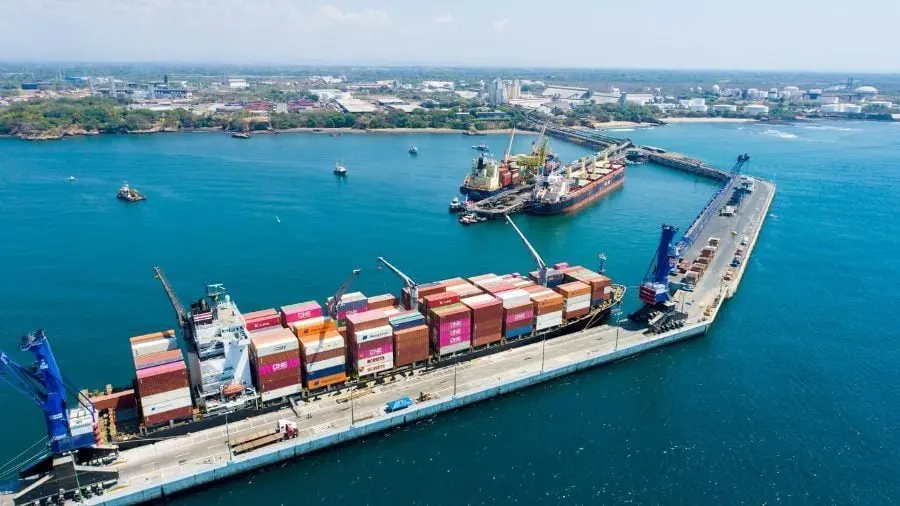
Acajutla isn't the kind of coastal town you visit for postcard beaches alone. Sitting on El Salvador's Pacific coast in the Sonsonate department, it's the country's main commercial seaport — the place where most of what Salvadorans buy, build with and export actually passes through. For travellers arriving by cruise ship or exploring the western coast, it's worth understanding what makes this working port town tick.
The port lies about 85 kilometres from San Salvador and roughly 20 kilometres from Sonsonate city, giving it a natural road link between the ocean and the country's industrial heartland. Its history runs deep: the site was a maritime trading point during the Spanish colonial era, and the coffee boom cemented its role as the link between Salvadoran growers and overseas buyers. The modern era began in 1952, when El Salvador created the Executive Commission of the Port of Acajutla — later evolving into CEPA — and the first pier of the modern port opened in 1961. Expansions since then have turned it into a terminal able to handle container ships, general cargo and both solid and liquid bulk.
What actually moves through here? Imports include fuel, fertiliser, machinery, grain and industrial materials; exports carry Salvadoran produce and manufactured goods to markets abroad. That flow touches nearly every sector of the economy, from farms and factories to the shelves of shops in the capital — which is why a port most tourists never think about quietly shapes prices and availability across the country.
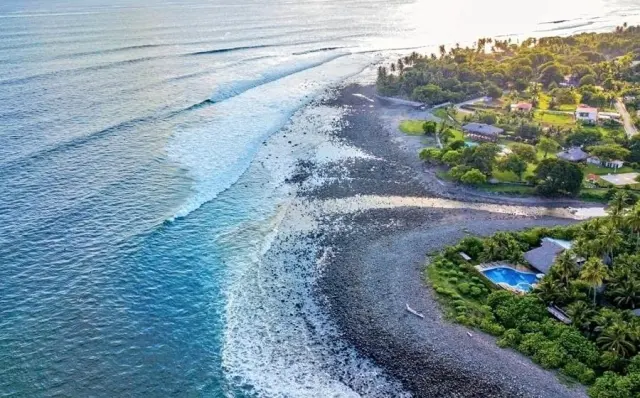
So why should a traveller care? Cruise ships do call here, and passengers use Acajutla as a jumping-off point for day trips to the Ruta de las Flores, archaeological sites and Pacific beaches. But note the fine print: the commercial terminal itself is off-limits to visitors. Independent travellers should instead head for the public beaches and the seafood restaurants that many Salvadorans already associate with Acajutla — this stretch of coast is known for fresh catch and a relaxed, workaday atmosphere far from the resort crowds further east.
The broader appeal is the pairing of Acajutla with nearby Sonsonate highlights. Within an hour you can move from a working port town to coffee-country villages, hot springs and surf beaches, giving you a slice of El Salvador that most itineraries skip. If you're the kind of traveller who likes seeing how a place actually runs — cranes, trucks, fish markets and all — a coastal detour through Acajutla adds context to everything else you'll see in the country.
For anyone planning a western El Salvador loop, think of Acajutla less as a destination and more as a gateway: a stop for lunch, a beach afternoon, and a launch point inland to the highlands.