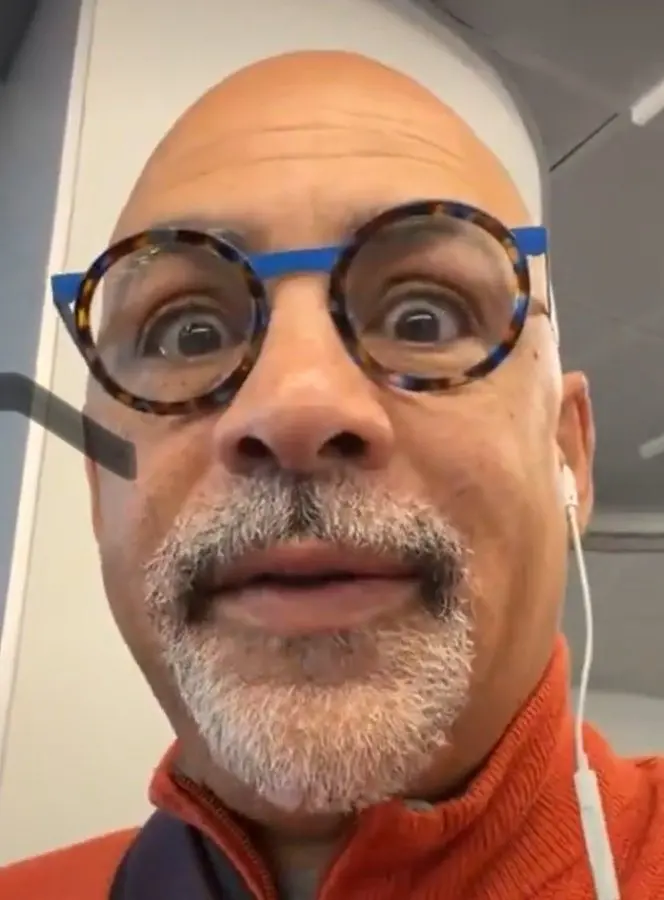
A congressman-elect's standoff at airport security went viral this month, but the most useful part of the story got buried under the mockery. Chris Rabb, a Pennsylvania state representative elected to Congress from Philadelphia, posted a video after being challenged at a TSA checkpoint on a flight home from Boston. Critics online told him to take the bus, and one post accused him of refusing to carry identification at all. Neither jab holds up.
Rabb doesn't have a REAL ID driver's licence. Instead he carries a U.S. passport card — the wallet-sized version of a passport that the State Department explicitly allows for domestic flights in place of a REAL ID. It's only good for land and sea border crossings internationally, but Boston to Philadelphia is squarely domestic. His card wasn't the problem; the reader apparently wouldn't process it, and he had no backup document with him.
The bigger takeaway is the other thing he refused: the checkpoint photograph. TSA's own published policy says facial recognition at security is optional. You can simply say you don't consent to being photographed, and officers should route you through standard ID verification instead. Plenty of travellers don't know this. Rabb's suggested script — 'I don't consent to being photographed' — is worth remembering even if you never think about it again.
The source article adds some honest caveats for privacy-minded flyers. Declining the photo doesn't erase you from government systems: airlines already pass your details to TSA's Secure Flight programme, and applying for a passport card means handing over a photograph anyway. The standard camera normally compares your face to your ID photo and discards the image after a match, according to TSA, though touchless biometric boarding programmes draw on photo galleries you're already in. Identity checks also serve a commercial purpose — enforcing non-transferable tickets so cheap advance fares can't be resold — rather than adding much security, the author argues.
A few practical pointers if you want to opt out. Make your request before the camera fires, and cooperate fully with the manual document check that follows. Carry a second accepted ID in case a reader fails — with millions of passengers daily, equipment glitches are routine. If staff refuse your opt-out, ask for a supervisor or passenger support specialist, and note the airport, date, time and what was said if you want to file a complaint. And don't show up with no valid ID at all: since February, TSA's ConfirmID identity-verification fallback costs $45 and covers only a ten-day window.
Rabb, who takes office in January, admits his one-man objection won't change much. He sees it as pushing back against the normalisation of biometric checks. Whether or not you share his politics — he's a democratic socialist, which is what made him a target online — the underlying point is boringly procedural and genuinely useful: the photo is optional, the passport card is valid ID, and knowing both can save you an argument at the podium.