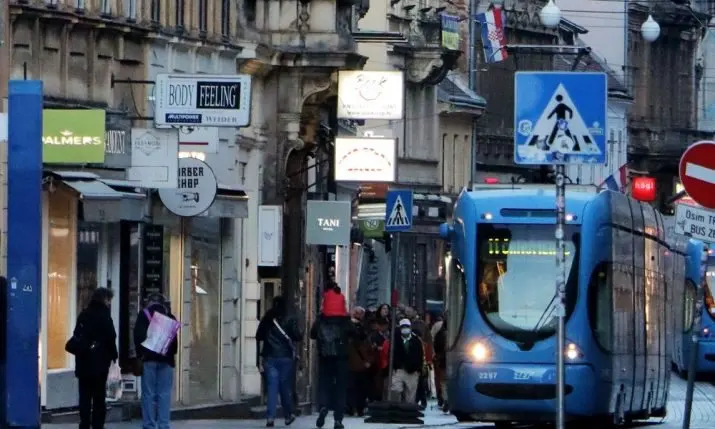
Visitors heading to the Croatian capital this week can expect things to run normally again. Zagreb County Court ruled on Wednesday 30 September that the three-day strikes at public transport operator ZET and city services company Zagreb Holding were illegal, clearing the way for trams, buses and waste collection to restart.
The walkouts had brought much of the city to a standstill since Monday, leaving residents and travellers without tram or bus service and with rubbish piling up on streets. The court found the Zagreb Holding strike had been launched prematurely because a collective agreement clause requiring the maintenance of 'social peace' was still in force. It then issued a separate ruling against the legality of the ZET strike. Both decisions can be appealed.
Once the first ruling landed, the Čistoća waste collection service formally ended its action and trucks were back on the streets the same day. Mayor Tomislav Tomašević said public transport would follow as soon as the technical side of restarting services was sorted out.
At a press conference, the mayor argued the unions had gone too far by calling a full strike without first agreeing which minimum services had to keep running. 'You cannot leave a city of a million without any public transport,' he said, while also acknowledging that workers have a constitutional right to strike and urging residents to treat ZET and Holding staff with respect despite the frustration of the past few days.
Underneath the legal wrangling is a straightforward pay and conditions dispute between the city administration and the unions that run the capital's essential services. The court rulings end this round of disruption, but they don't resolve the underlying disagreement, so further industrial action later in the season can't be ruled out entirely.
If you're travelling to Zagreb soon, the practical takeaway is simple: services are restarting and there's no need to change plans. For the rest of your stay, ZET's trams remain the easiest way to get around the compact centre, with tickets cheap by European standards and valid on both trams and buses. Zagreb's main attractions — the Upper Town, Ban Jelačić Square and the cathedral — are all walkable anyway, so even a transport hiccup is rarely trip-ruining. Keep an eye on local news if the labour dispute drags on, and have a taxi or ride-hailing app as a backup. Anyone road-tripping between Zagreb and the coast should find things unaffected, as the dispute was purely local to the capital's city services.
The episode was also a small showcase for how the city handled a rough few days, with neighbours sharing cars and checking on people who had to walk — a decent reminder that Zagreb remains one of Europe's more welcoming capital cities.