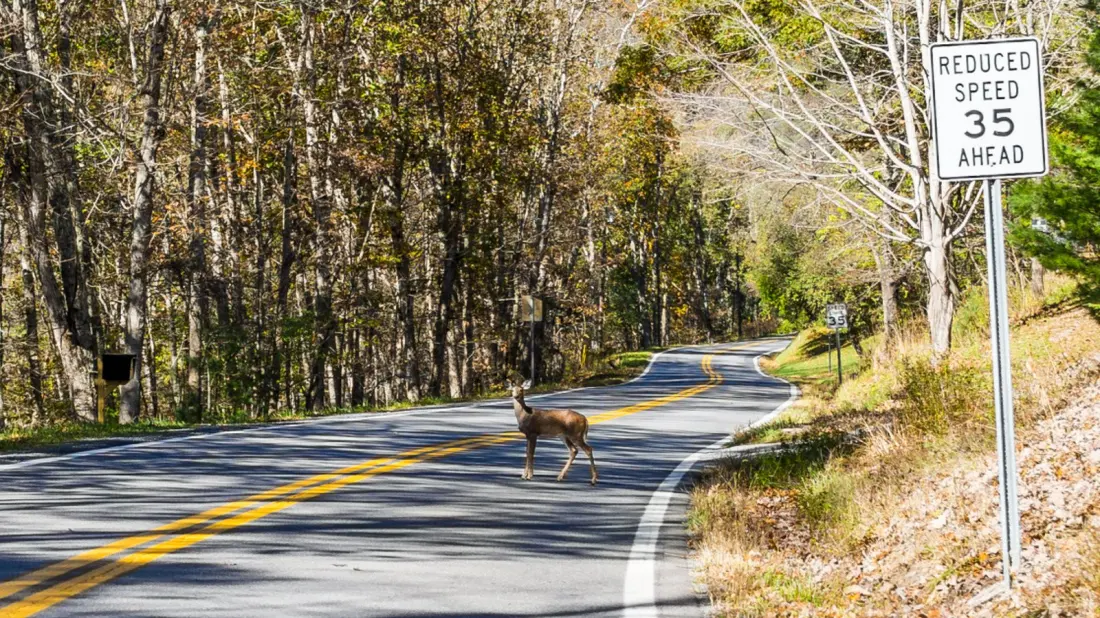
If your next road trip crosses West Virginia, build some extra caution into the drive. A 2026 State Farm analysis of insurance claims puts the odds of a driver hitting an animal there at 1 in 46 — the worst in the United States, and well above the national average of 1 in 145. Montana, the second-riskiest state, sits at 1 in 54, so the gap at the top is real.
The numbers come from State Farm's review of animal collision claims between July 2025 and June 2026, adjusted against the number of licensed drivers in each state. And this isn't a one-off bad year: West Virginia has held the top spot for more than a decade. The reason is baked into the state itself. It's the most mountainous state on the East Coast, with long stretches of rural, forested highway where deer and other wildlife move freely — the state's own Division of Highways notes that the more rural the road, the more likely a collision becomes.
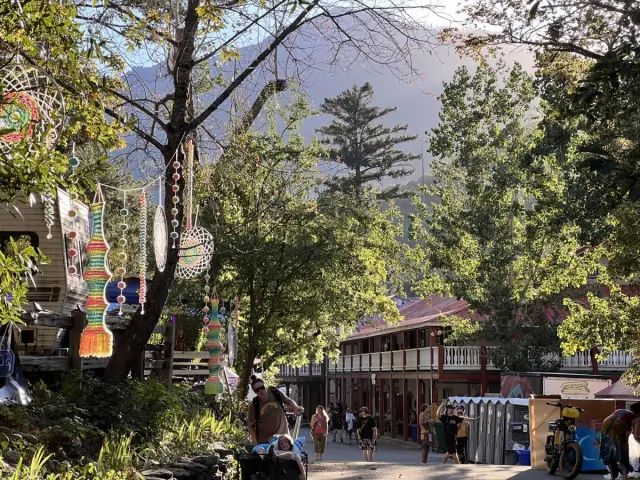
None of this is a reason to skip the state. The Appalachian scenery is exactly what draws road-trippers, and routes through areas like the Potomac Highlands reward a slower pace anyway. It just means driving with wildlife in mind. Deer crossing signs are not decoration — they mark spots where deer are known to cross, so ease off the accelerator there, and remember deer tend to travel in groups. If one appears, expect company.
Timing matters too. Deer are most active at dawn and dusk, and fall breeding season brings even more movement. On unlit rural roads, high beams help you spot animals earlier, and the posted speed limit is best treated as a ceiling, not a target — especially in the evening or early morning. Watch the road edges and adjacent woods, where animals often graze.
If an animal darts out, brake firmly and keep the wheel straight; swerving can turn a wildlife strike into a far more serious crash. Should a collision happen, pull over safely, turn on your hazards, call 911 if anyone is hurt or the animal endangers traffic, don't approach the animal, and report it to the West Virginia Division of Highways via the local county garage on state roads.
For travellers, the takeaway is simple: West Virginia's winding mountain roads are worth the trip, and a few defensive driving habits — slower speeds, sharper eyes at dawn and dusk, and restraint in a panic moment — will keep both you and the local wildlife safer on the way.