
A good national park does something a single viewpoint can't: it protects an entire ecosystem, not just one postcard scene. Condé Nast Traveller UK has rounded up 17 of the most otherworldly parks on the planet, spanning six continents – and the list doubles as a shortcut for anyone trying to decide which natural wonders actually deserve a spot on the itinerary.
The standouts read like a fantasy author's mood board. Brazil's Lençóis Maranhenses looks like a pure white desert until you notice the turquoise and emerald lagoons pooling between the dunes each rainy season – it's about a five-hour bus ride from São Luís, and yes, you can swim. Türkiye's Göreme National Park covers Cappadocia's fairy chimneys, those mushroom-shaped rock formations best appreciated at sunrise from a hot-air balloon basket. Madagascar's Tsingy de Bemaraha is a forest of sharp limestone needles; the Malagasy name roughly means "where one cannot walk barefoot", which tells you most of what you need to know.
Water features heavily elsewhere on the list. Argentina's Iguazú National Park shields the Argentine side of a cascade system of roughly 275 waterfalls, with the Devil's Throat as the headline act – viewable from walkways or, more boldly, from a speedboat driven straight into the spray. Croatia's Plitvice Lakes strings sixteen interconnected lakes through forest via waterfalls and travertine barriers, their colours swinging from turquoise to deep green. Spain's Las Salinas de Torrevieja is a salt lagoon that's genuinely pink, thanks to pigment-releasing microorganisms – social media famous, but scientifically fascinating too.
Some entries demand serious effort. India's Valley of Flowers in Uttarakhand turns into a sprawling alpine garden each summer, but reaching it means a multi-day Himalayan trek. Indonesia's Kelimutu National Park rewards an early climb with three crater lakes that change colour – red, blue, green or black – depending on the minerals and gases below. China's Zhangjiajie, with its thousands of mist-wrapped sandstone pillars, famously inspired the floating mountains in Avatar.
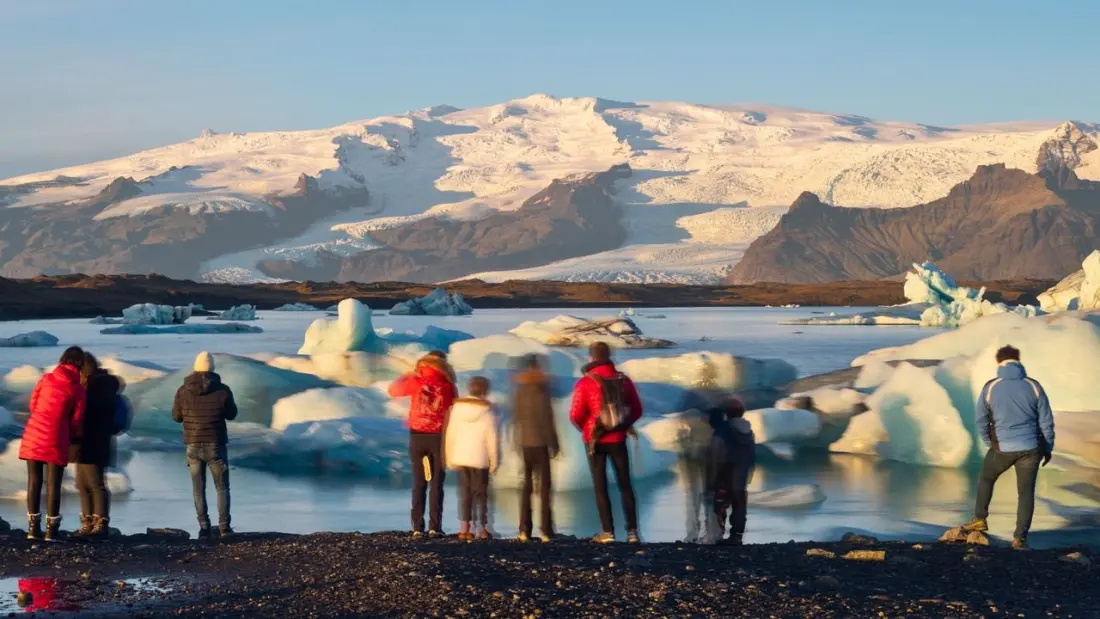
The classics are here too, for good reason. Yellowstone was the world's first national park and packs geysers, canyons and rainbow hot springs into 2.2 million acres. Banff's glacial lakes – Louise, Moraine, Minnewanka – are blue beyond reason in summer and equally striking frozen in winter. Tanzania's Serengeti hosts the Great Migration of millions of wildebeest, Iceland's Vatnajökull pairs blue ice caves with volcanoes underneath, Namibia's Namib-Naukluft delivers orange dunes and the skeleton trees of Deadvlei, Mexico's Cabo Pulmo protects a coral reef busy with turtles and jacks, New Zealand's Fiordland wraps mountains, rainforest and Milford Sound into one park, and Australia's Uluṟu shifts from ochre to blazing orange to purple as the light changes.
Why it matters: with thousands of national parks worldwide, choice paralysis is real. This list is a solid shortlist – a mix of big names and stranger, less-visited corners – whether you're after an easy road-trip park or a once-in-a-lifetime trek.
Story via Condé Nast Traveller UK.