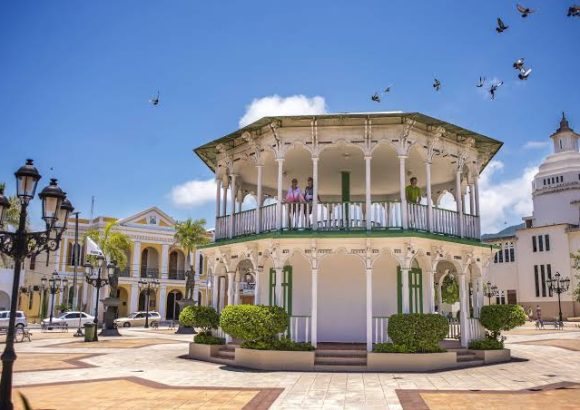
Puerto Plata, the Dominican Republic's northern coast city of Victorian houses and a long oceanfront boardwalk, is the subject of a new push to restore its historic core. Julio Almonte, a former deputy tourism minister, has publicly called on the country's Ministry of Tourism (Mitur) to channel more money into the city, arguing that the municipality alone cannot afford the scale of work needed.
His wishlist is specific: restore the wooden Victorian-era houses that give the centre its character, fix drainage and sanitation (and deal with the odours that come when those systems fail), and reorganise public spaces. He also wants stronger lighting at night and 24-hour security cameras along the historic centre and the malecon, the seafront promenade that is one of the city's defining features.
The pitch leans on a comparison with Santo Domingo's Colonial City, which draws cruise passengers and benefits from sustained investment in its heritage zone. Almonte's argument is that Puerto Plata deserves the same level of attention — and that without it, the city risks letting its architectural heritage and urban image slip.
For travellers, this is worth watching rather than rushing to book around. Puerto Plata already has plenty going for it: the cable car up Mount Isabel de Torres, beaches at nearby Playa Dorada and Sosúa, and a cruise port that brings ships in regularly. But parts of the centre have looked tired, and reports from visitors often mention uneven lighting and patchy street conditions after dark. If the funding comes through, the improvements — cleaner streets, better drainage, more security — would make the historic district a far more pleasant place to wander between the corner stores, cafes and gingerbread-trim facades.
Who should care right now? Cruise passengers with a day in port, and anyone pairing the north coast with a Punta Cana or Santo Domingo trip who wants a dose of history and local life rather than resort-only time. The Victorian architecture here is genuinely unusual for the Caribbean — the city claims one of the largest collections of Victorian-era buildings in the region — so restoration work would be more than cosmetic; it protects a real draw.
Nothing has been funded or scheduled yet. Almonte's comments are a call to action, not an announcement, so treat any near-term visit with normal city common sense: stick to busier blocks in the evening, and use the boardwalk at livelier times of day. If Mitur does respond, Puerto Plata's centre could quietly become one of the more rewarding heritage strolls in the Dominican Republic — worth revisiting once the cranes and paint buckets arrive.