A quarter-century on from September 11, the most visible legacies of that day are the ones we barely think about any more: taking off shoes at security, surrendering water bottles, reinforced cockpit doors, and queues that snake through every terminal on earth. As Skift's retrospective marking the anniversary points out, those rituals are so familiar to a generation of flyers that some are now quietly being phased out. But the deeper story isn't about liquids and laptops.
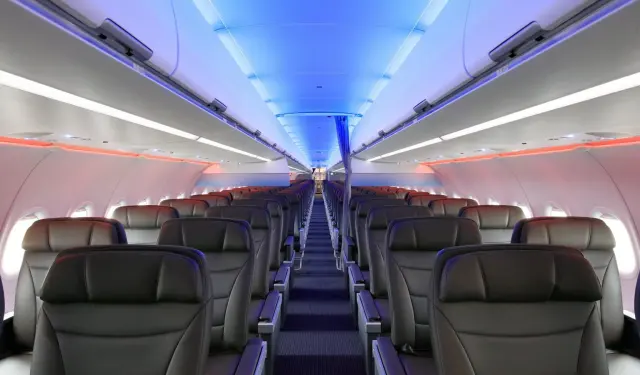
What really shifted after 2001 was the relationship between identity and mobility. In the years since, the travel industry has become remarkably good at removing friction — trips you can search, book, and manage from a phone in seconds; airports where biometrics and pre-clearance schemes let frequent flyers move through almost without breaking stride. For travellers the system is built to move, flying in 2026 is smoother than anything imaginable back in 2001.
At the same time, governments became far more skilled at deciding who gets to travel in the first place. Visas, watchlists, electronic travel authorisations, and enhanced screening mean that for many people the real friction starts weeks before departure, at home, filling in forms and waiting on decisions. The divide isn't about wealth or wanderlust so much as about which passports you hold, what your name looks like on a manifest, and how the system has been taught to read it.
Skift frames this through personal experience: a decade ago the outlet published an essay by a writer describing what it feels like to move through airports as a Muslim traveller — the extra questions, the secondary checks, the constant awareness of being pre-judged by a system. Twenty-five years on, that essay's core point still holds. Travel has never been easier for some, and the growing question is who else gets that same ease.
For everyday travellers, the takeaway is a practical one. If your passport and profile fit the system's expectations, expect the convenience trend to continue: more biometric gates, more trusted-traveller programmes, fewer shoes-off moments. If it doesn't, build in margin — apply for authorisations early, carry supporting documents, and expect screening that others never see. The infrastructure of travel has been rebuilt around trust, and knowing where you stand in that system is now part of trip planning.
It's a thoughtful marker of an anniversary most of us experience only through the security line, and a reminder that the ease of a journey is far from evenly shared. With thanks to Skift for the original reflection.