Most visitors treat Antananarivo as an airport stop on the way to Madagascar's lemurs and baobabs. That's a mistake, argues a new guide from Getaway South Africa, which lays out a two-day itinerary proving the highland capital — known locally as Tana — is worth a proper stay.
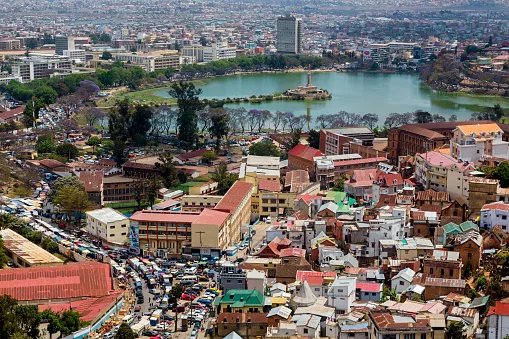
The city's story starts on its hills. Day one begins in Haute-Ville, the historic upper town where red-brick houses and old churches climb steep streets. The anchor sight is the Rova of Antananarivo, or Queen's Palace, perched on one of the city's highest points. It was the seat of the Merina monarchy, which controlled much of Madagascar before French colonisation, and despite fire, restoration and political upheaval, its viewpoints still explain how the capital grew across ridges and valleys. Access and opening times change, so check before you go.
Food is the other big reason to linger. Malagasy meals centre on rice (vary) served with a side dish called laoka. The guide flags two highland classics to hunt down: romazava, a meat-and-greens stew, and ravitoto, pounded cassava leaves traditionally cooked with pork. Grilled zebu — the humped cattle central to Malagasy culture — is another must. Breakfast options range from mofo gasy, small rice-flour cakes cooked in moulds, to koba, a sweet mix of rice flour, peanuts and banana, or a French-style bakery if you want something familiar.
Day two slows things down. It starts at Lake Anosy, a heart-shaped lake in the south of the centre, home to the Monument aux Morts commemorating Malagasy soldiers who died in the First World War. From there, the broad Avenue de l'Indépendance and surrounding commercial streets show the working capital in motion. The afternoon is deliberately left loose — revisit a neighbourhood, browse craft shops, sit in a café. If you have extra time, the royal settlement of Ambohimanga northeast of the city adds deeper context on the Merina kingdom, but budget a half-day for it.
Practicalities matter in Tana. The city is built across steep hills, traffic is heavy, and short distances take longer than you'd expect, so pairing walking with a driver or guide is smart. Markets like Analakely offer a lively slice of daily life — vendors selling produce, textiles and household goods — but keep valuables hidden, carry small cash amounts, and ask before photographing people. The cooler, drier months from roughly April to October are the most comfortable window for the central highlands; pack layers, as it's cooler than many expect, plus sturdy shoes for the inclines. As in any big capital, use trusted transport and get local advice on where to avoid after dark.
The takeaway for travellers: if you're flying into Madagascar for wildlife, carving out a day or two for the capital adds royal history, layered Merina-and-colonial architecture and one of the Indian Ocean's more underrated food scenes to your trip. Two days won't cover everything, but it reframes the island as more than a nature destination. Source: Getaway South Africa.