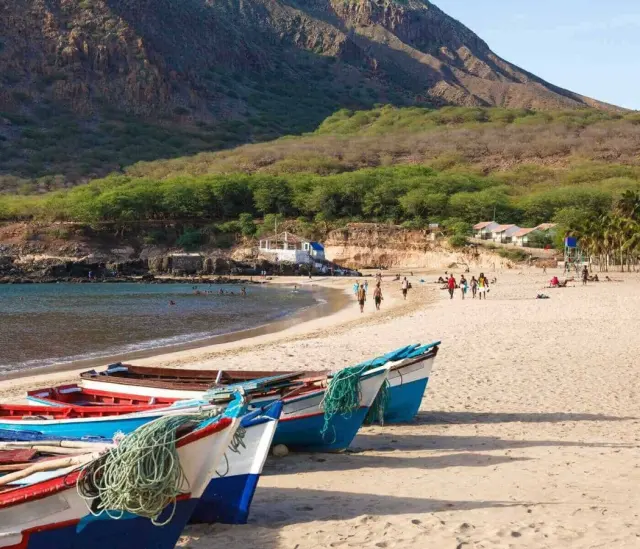
Landing on Nosy Be after days on Madagascar's dusty mainland roads feels like crossing into another country. This island, 8km off the northwest coast in the Mozambique Channel, trades baobabs and stone forests for warm Indian Ocean water, ylang-ylang plantations and tuktuks rattling along palm-lined roads. Locals call it the Scented Isle for its ylang-ylang, vanilla and pepper crops, and despite being Madagascar's most popular beach spot, it hasn't gone the way of the polished resort island. Zebu carts still share the roads, some villages have no electricity, and life runs on mora mora — slowly, slowly.
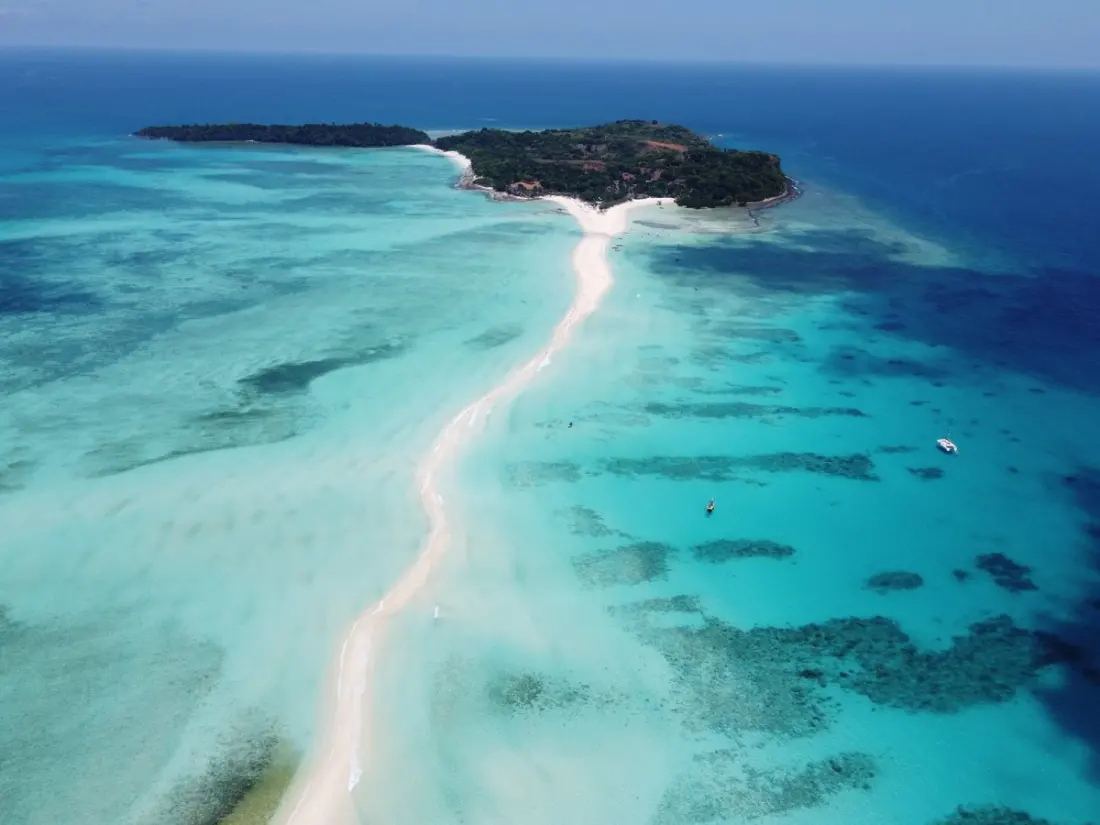
What makes Nosy Be special is what surrounds it: a scatter of small islands you can reach by boat. Swim with sea turtles off Nosy Sakatia, meet black lemurs on Nosy Komba, or walk across the famous sandbar linking Nosy Iranja — often cited as the islanders' favourite of the lot. On Nosy Be itself, highlights include the buzzy central market in Hell-Ville (officially Andoany, named after a French admiral, not the weather), a ylang-ylang distillery tour near Lemuria Land where you can learn how the flowers end up in perfumes like Chanel No. 5, and sunset from Mont Passot, the island's 329m high point, with views over sacred crater lakes.
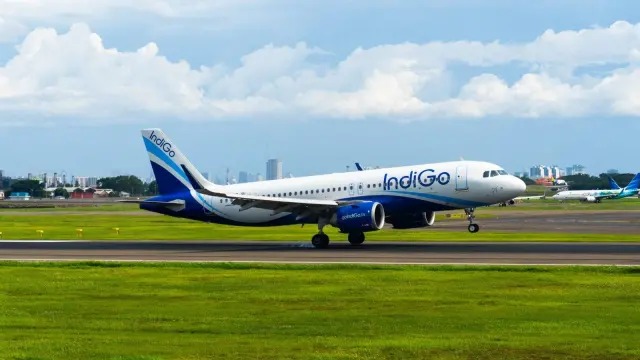
Practically speaking, it's one of the easiest parts of Madagascar to travel independently. Fascene International Airport receives direct flights from Johannesburg, Addis Ababa, Réunion, Mayotte and seasonal Italian cities — which explains all the Italian you'll hear. Domestic flights from Antananarivo exist but are pricey and often delayed, so build in buffer days. Most nationalities need a visa; the e-visa costs €30 for up to 15 days, rising to €50 for 90 days as of February 2026. Once there, forget hire cars: tuktuks are the way to move. Agree prices before you get in — short hops cost under €10, and a half-day island loop with a driver costs around €30 including waiting time.
Timing matters. The dry season from April to November brings sun, calm seas and temperatures of 25–30°C. Humpback whales pass by from around July, while whale shark season peaks September to November. January to March means rain, cyclones and closed lodges. Aim for 5–7 days: enough for two or three island day trips, a tuktuk loop of the island and some actual beach time. Boat trips are weather-dependent, so spare days give you insurance.
Who's this for? Travellers who want a proper beach finish to a Madagascar adventure without sacrificing wildlife and authenticity, families who like hands-on animal encounters, and anyone who'd rather snorkel with turtles than queue at a resort buffet. It also pairs well as the soft-landing finale after the long drives of the mainland. One caveat: Madagascar has seen political turmoil recently, but the island reported feeling a world away from the unrest of late 2025. Check current travel advice before booking.
Story by Wild Junket.