Bogota packs a surprising amount into a weekend. Colombia's high-altitude capital — sitting more than 2,600 metres above sea level — concentrates its best museums, historic streets and food into a compact enough footprint that a well-planned 48-hour visit genuinely works. The trick, according to a new local guide, is grouping activities by neighbourhood to beat the sprawl and the traffic.
Day one belongs to La Candelaria, the colonial heart of the city. Start the way locals do: chocolate santafereño (hot chocolate served with cheese), changua milk soup or a tamal with an almojábana cheese bread at century-old spots like La Puerta Falsa. Then it's on to the Gold Museum, home to one of the world's great pre-Hispanic gold collections — including the Muisca Raft, the artefact behind the El Dorado legend. Allow two to three hours; entry runs about US$6.42 for international visitors, with free admission on Sundays.
After a lunch of ajiaco santafereño — Bogota's signature potato, chicken and corn soup — the afternoon covers the Botero Museum (free entry, closed Tuesdays), with its famously voluminous figures plus works from Fernando Botero's international collection, and the nearby Casa de Moneda and Miguel Urrutia Art Museum. Wind down with a stroll past La Candelaria's murals and balconies, snacking on obleas with arequipe and sipping coffee from Huila or Nariño. For dinner, restaurants like Prudencia, El Chato and Mesa Franca reinterpret Colombian ingredients — book ahead.
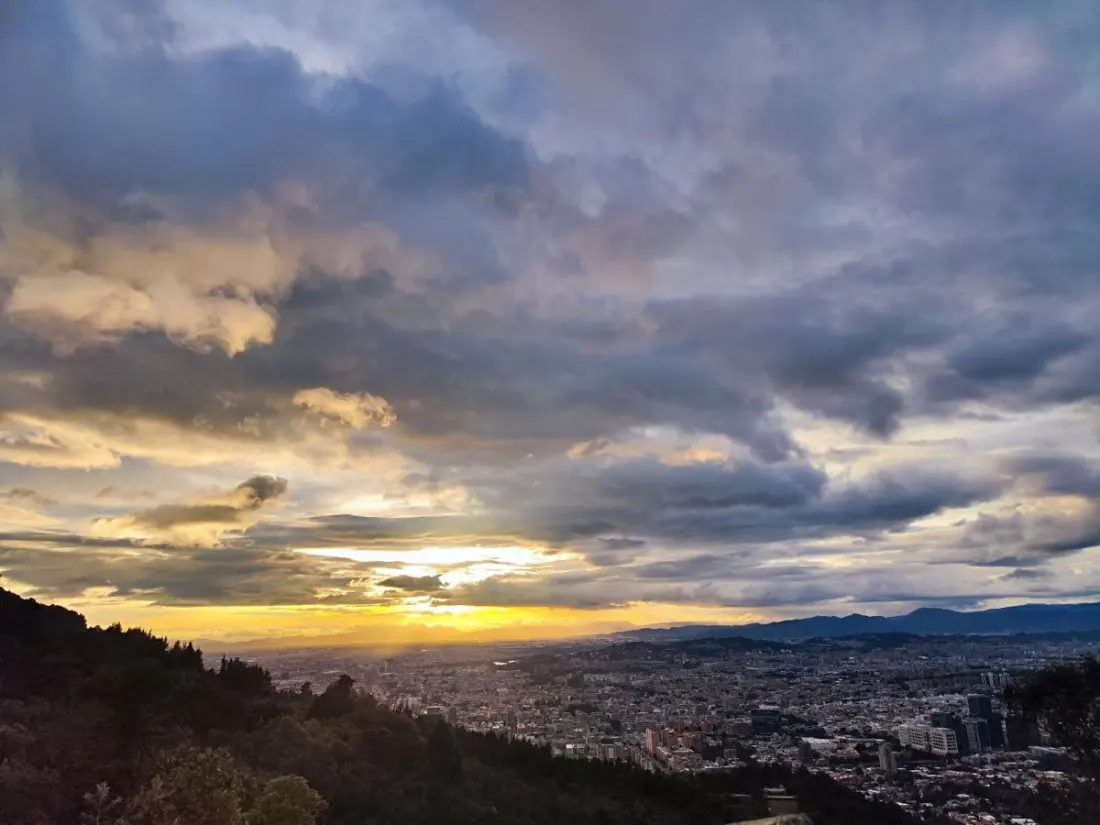
Day two starts early at Paloquemao Market, open from 4:30 a.m. on weekdays. It's a crash course in Colombia's agricultural variety: tropical fruits, flowers, herbs and stall breakfasts. Next is the National Museum of Colombia, founded in 1823 and one of the oldest in the Americas, with roughly 2,500 pieces across 17 galleries (about US$4.59 for tourists, free Wednesday afternoons). Then the Quinta de Bolivar, a house museum at the foot of Monserrate covering Simon Bolivar and the independence era, before the grand finale: the cable car or funicular up Monserrate Hill at 3,152 metres for panoramic views over the entire city.
Where to stay matters in a city this big. La Candelaria puts you within walking distance of the main museums (Hotel de la Opera, Casa Deco); the International Center suits those wanting modern hotels near the National Museum; and Chapinero Alto or Zona G is the pick for foodies, surrounded by contemporary Colombian kitchens and specialty coffee shops — though you'll need transport downtown.
Who's this for? Travellers with a weekend to spare before or after exploring the rest of Colombia, anyone into art, archaeology and food culture, and photographers drawn to colonial streetscapes. Just pace yourself: the altitude is real, and no itinerary benefits from rushing your first day at 2,600 metres.