A military traveller and social media creator posted a short video after a counter interaction at Portland International Airport that he says was his first brush with an "anti-military" Alaska Airlines employee. The clip has racked up more than 1,300 comments, and most of them are on his side. But the details of the exchange raise a fair question about what airlines actually owe service members — and what they don't.
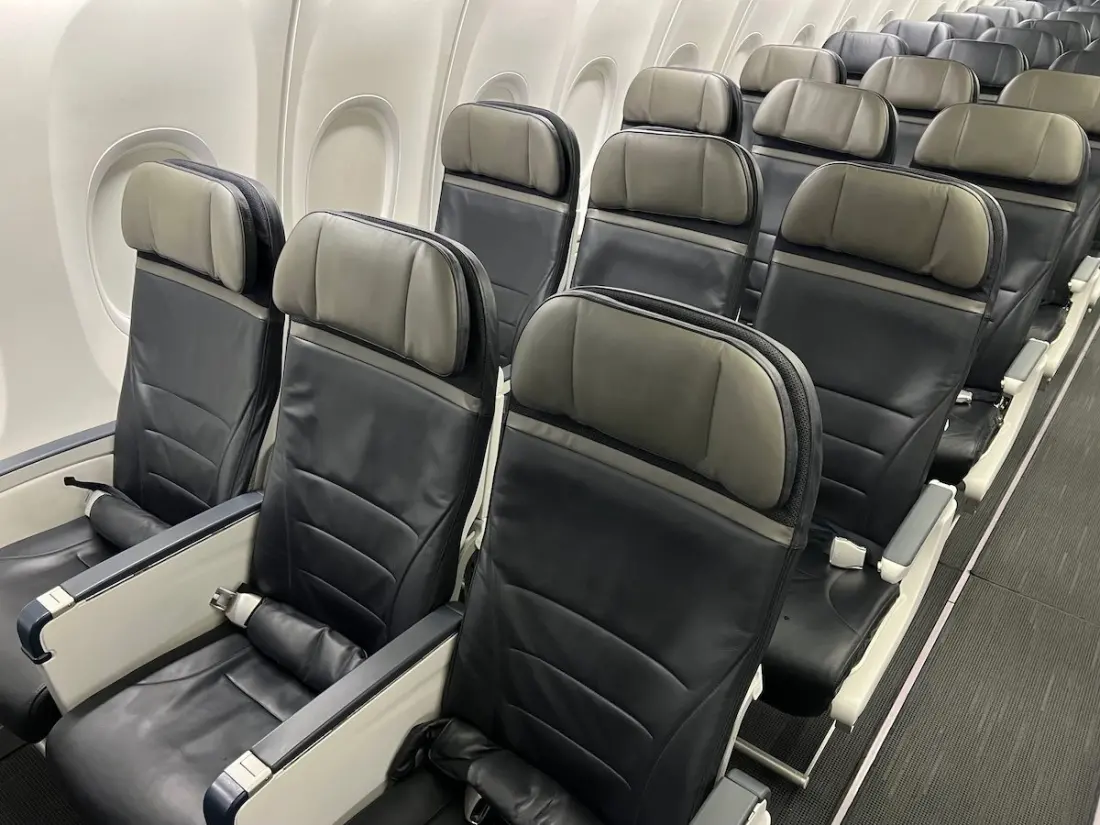
His version of events: he spotted roughly 30 empty seats on the seat map before a flight and asked the gate agent for a complimentary move into extra-legroom seating, something he says he requests on every flight. At 6'4", the appeal is obvious. He claims he's successful about nine times out of ten, and that Alaska is generally very welcoming to military passengers. This time, though, he says the employee told him the airline never upgrades active military for free because it's against policy, delivered with what he read as disdain. Things escalated from there — he says the agent then disputed his claim of past upgrades, essentially calling it a lie, and offered a paid move instead, which he declined given the roughly $150 asking price to shift four rows.
Here's the wrinkle: Alaska Airlines does have a published page of military and veteran benefits, and complimentary upgrades simply aren't on it. What the airline does offer is meaningful — discounted fares, lounge access, priority boarding and more. Free upgrades to premium seats, however, are discretionary perks, not policy. And a uniformed traveller succeeding nine times out of ten doesn't change that; it just means employees were often willing to be generous.
There are two things that can be true at once. If the agent really accused the passenger of lying, that's poor service, full stop — agents should be able to decline politely without questioning someone's honesty. But the traveller's own framing cuts the other way too. He insists he has no sense of entitlement, yet he treats "the cabin wasn't full" as the only acceptable reason to be turned down. That's the same logic as arguing with airport security because a previous officer let your oversized toiletry through. "It can't hurt to ask" only works if you're genuinely fine hearing no.
Why does this matter to ordinary travellers? Because it's a useful reminder of how airline perks actually work. Military benefits vary widely between carriers, and they're spelled out on each airline's website — worth checking before you fly rather than relying on a gate agent's goodwill. And if you ask for any courtesy upgrade, the polite move is to accept a no gracefully. Loud public accusations tend to accomplish the opposite of what they intend, and in this case the published policy was on the airline's side.
A story about one awkward counter exchange at PDX, but a decent lesson in managing expectations at 30,000 feet.
One Mile at a Time