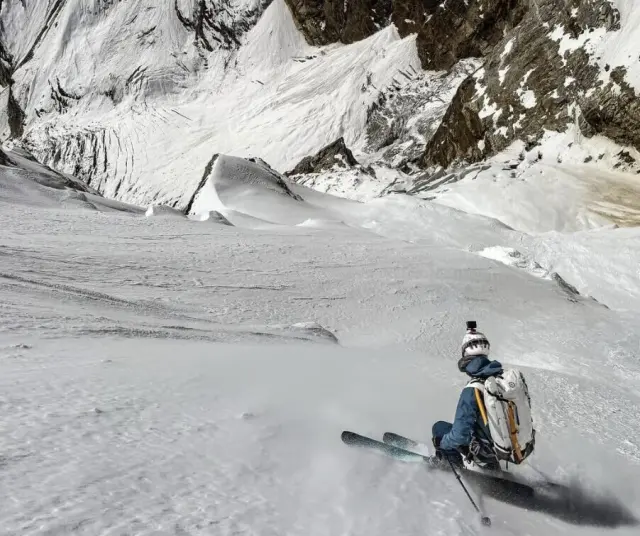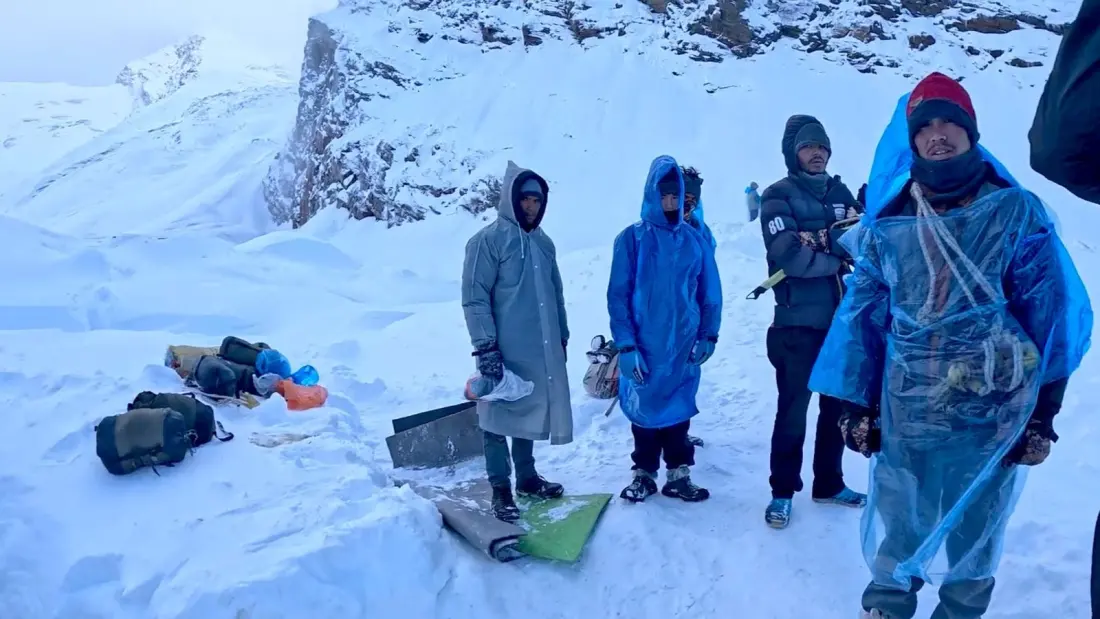
A 29-person expedition camped below Auden's Col — an 18,010-foot pass in India's Garhwal Himalayas — looked set for a straightforward crossing on the morning of September 26, 2026. Then an unforecast storm, spun up by a depression from the Bay of Bengal, buried their base camp at 16,400 feet under more than six feet of snow in three days. Everyone came home alive, and how that happened is worth unpacking for anyone tempted by high-altitude trekking in Uttarakhand.
The pivotal moment came at 2 a.m., when lead guide Jetendra Singh Rana — a 22-year veteran with nine previous crossings of the pass — called off the ascent. Hours later, snow began falling and winds hit around 62 mph with temperatures near -20°C. Guests from the Bangalore group later said nobody questioned the decision, and that it was the single call that saved their lives: had they left on schedule, they'd have been on the col's face when the storm hit.
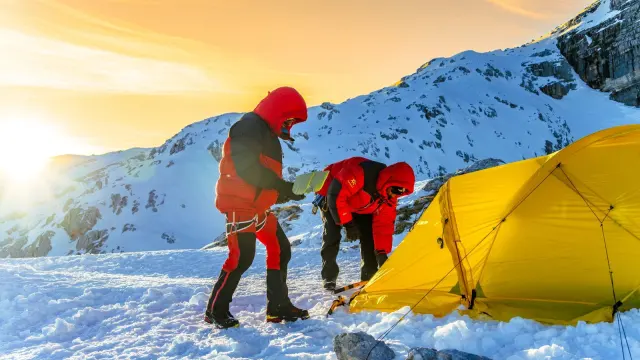
With small tents collapsing under the snow load, Rana moved all 29 people into a single large dome tent. Through the worst of the night, they took two-hour turns pushing against the straining poles from inside while porters shovelled snow and cut a perimeter outside. A satellite phone — company policy for all guides — became the lifeline, enabling scheduled check-ins that convinced the outfitter, Aquaterra Adventures, the team couldn't walk out.
What followed was an unusually smooth inter-agency rescue. Uttarakhand's tourism secretary, disaster management authority, forest and aviation departments and the Indian Army coordinated nine helicopters to airlift 136 stranded trekkers from the valley. On September 28, a four-hour weather window opened. The team dismantled their dome tent and used the flattened base as a landing pad, while the outfitter's founder guided pilots in from Delhi using Google Earth imagery. A pre-agreed departure order meant no scramble, and by 11 a.m. all 29 were out.
For trekkers, the practical lessons are refreshingly unglamorous. Outfitter Vaibhav Kala's post-incident report stresses small details: a shared storm shelter, shovels, power banks, spare satellite-phone charging cables, and trekkers who are mentally ready to be rescued rather than always pushing to the objective. Add to that a guide willing to turn around, pre-set evacuation plans, and the humility to accept that Auden's Col — a technical route over glaciers and moraine, not a casual trek — will still be there next season. If you're booking a Himalayan expedition, it's fair to ask any operator exactly these questions before you sign up.