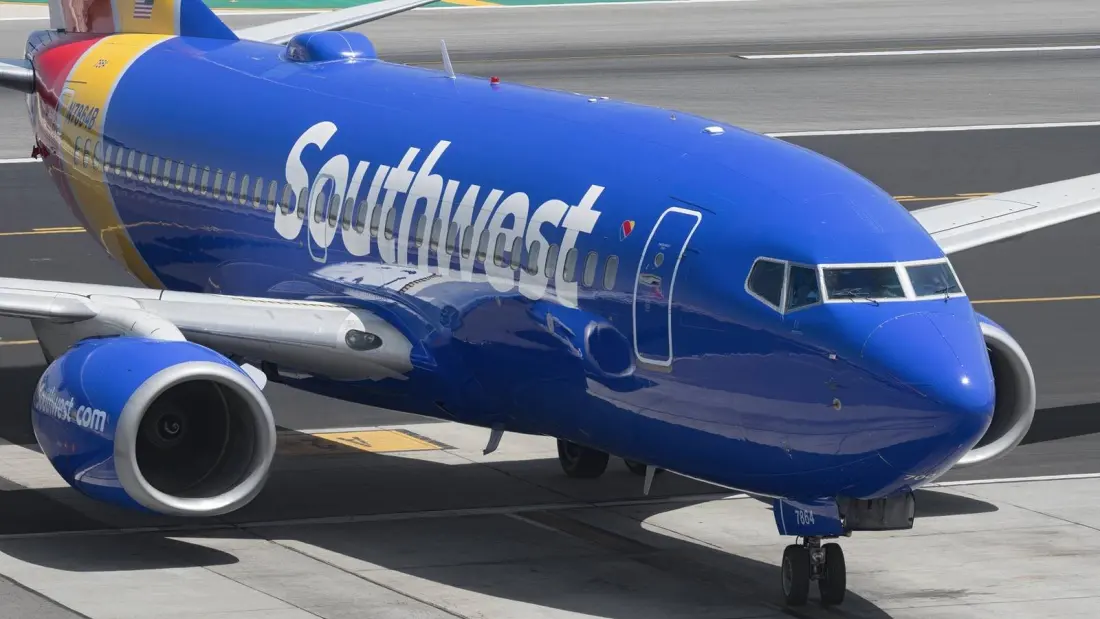
A family holiday to Portland, Oregon has turned into a very public headache for Southwest Airlines, after a passenger's damaged double stroller spiralled into an accusation that the carrier misled a major news outlet.
On 7 November, Jason Piquette flew with his family, including twins, from a Southwest flight into Portland (PDX). When their checked stroller came off the plane, it had bent, wobbly wheels and damage to the frame. When Piquette raised it with Southwest staff on the ground, he was told the airline wouldn't cover it, pointing to its limited release of liability policy, which treats strollers and car seats as travelling at the passenger's own risk.
Piquette took to TikTok, and his videos racked up millions of views. Things escalated when USA Today reported that Southwest had confirmed it paid a $500 reimbursement on top of a $200 flight voucher. According to Piquette, neither was true in the way the airline described. He says a Southwest executive told him during a call that the liability policy wouldn't be reconsidered, offering only the $200 voucher with an expiry date, which he called useless given he had no plans to fly the airline again. No $500 reimbursement was mentioned, he says, prompting another video in which he asked the airline why it had 'lied' to the publication. Southwest did not respond to requests for comment.
There's a useful lesson buried in the fine print for anyone flying with kids in the US. Under Department of Transportation rules, major carriers are liable for up to $4,700 for lost, damaged or delayed baggage on domestic flights. But airlines write limited release waivers into their Contracts of Carriage, meaning fragile items like strollers and car seats can be excluded from damage claims unless they're lost entirely. In practice, that leaves families with little formal recourse when a child's travel gear comes off the carousel broken — which is why social media pressure has become the workaround. In this case, strangers stepped in: viewers offered donations, and one even lent the family a stroller for the rest of their Oregon trip.
The upside of Southwest's standard policy is worth knowing, too: families travelling with young children can check one stroller and one car seat per child at no extra cost, over and above the regular baggage allowance. That's genuinely helpful on paper. The catch, as the Piquette family discovered, is what happens when those items get damaged in transit and the airline falls back on its liability waiver. Simple Flying has asked Southwest whether it plans to review that policy following the publicity.
For travellers, the takeaway is pragmatic. Photograph your stroller or car seat before checking it, note its condition at drop-off, and check the damage claim terms on your airline's contract before you fly. If something does come back broken, document it immediately at the airport and file a written claim — and if the airline stonewalls, a DOT complaint is a route worth knowing about.