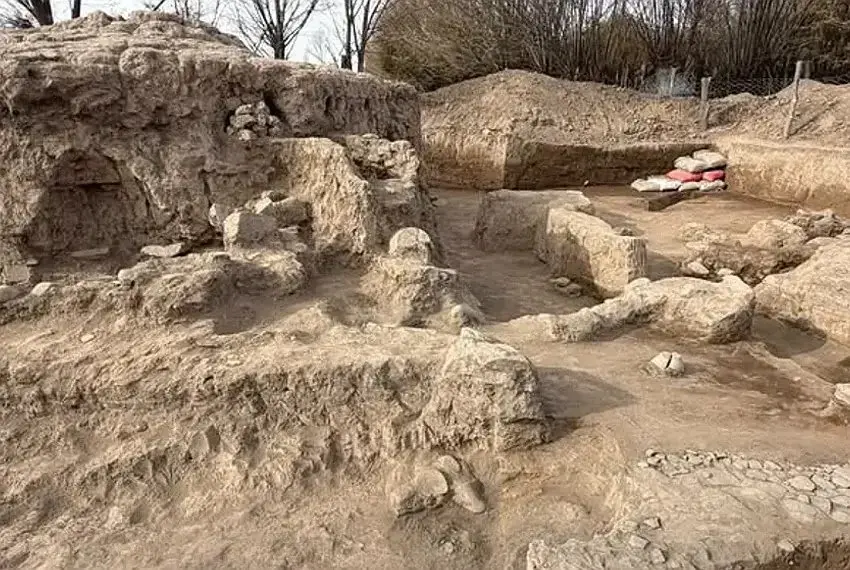
Archaeologists working at the Kochkor-Bashy settlement near the village of Kum-Dobo, in Naryn region's Kochkor district, have uncovered a public bathhouse from the 11th to 13th centuries — and with it, evidence that people here were engineering central-style heating a thousand years ago.
Excavations started in 2024 and have already revealed bathing rooms, water-heating areas and parts of a heating system. The big reveal came in 2026, when the team unearthed the bathhouse's boiler room. Heat from it travelled through special channels built into the walls, warming the whole building from the inside — essentially a hypocaust-style setup more often associated with Roman baths than with medieval mountain Central Asia.
For researchers, the find shows that relatively sophisticated heating engineering was in everyday use in what is now Kyrgyzstan centuries ago. Makes sense when you think about it: Naryn sits high, and winters there are brutally cold. A bathhouse with heated walls would have been a serious comfort upgrade.
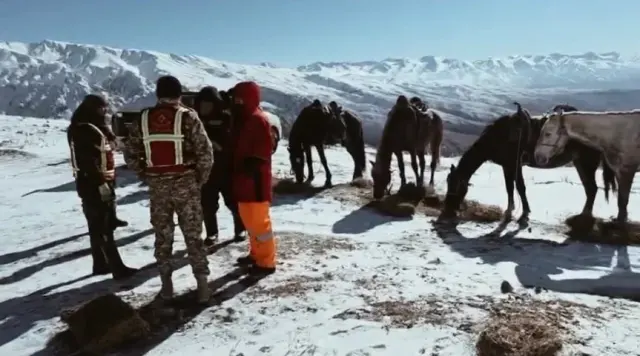
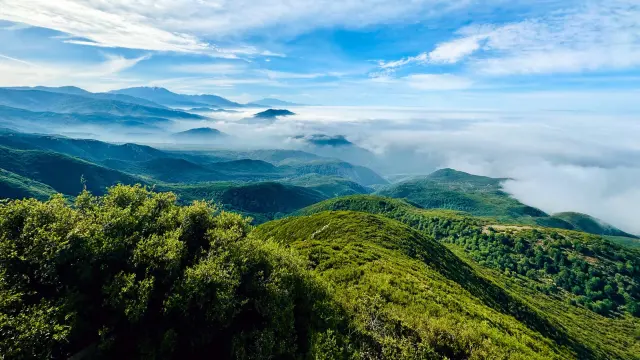
For travellers, Kochkor is more than an archaeological footnote. The district is a gateway to Song-Kul lake, one of Kyrgyzstan's most famous summer destinations, where nomadic families run yurt camps and horseback treks. The ongoing digs at Kochkor-Bashy add a historical layer to a region most visitors see purely for its pastures and lakes — and as research continues, there's a chance the site becomes visitable in its own right.
Anyone planning a Naryn-region itinerary could reasonably fold this into a route: Kochkor village itself has a well-regarded community-based tourism office, known for helping travellers arrange homestays, felt-making workshops and horse trekking. Pairing a stop there with a drive toward Song-Kul makes for a trip that mixes Silk Road-era history with classic Kyrgyz summer culture.
The excavation work is ongoing, so details about public access aren't settled yet. But the find is a good reminder that Kyrgyzstan's appeal isn't only mountains — there's a deep, layered past in its valleys too.