Heavy November snowfall stranded seven people on a high-altitude pasture in western Kyrgyzstan, and the three-day rescue that followed is a useful reality check for anyone eyeing the country's mountains in the shoulder season.
The group — six men and one woman, all employees of a private mining firm working in the area — got stuck at Kichi-Sandyk pasture in the Chandalash area of Chatkal district, Jalal-Abad region, after weather turned abruptly and snow blocked the only road out. Authorities were alerted at about 3:25 p.m. on November 11.
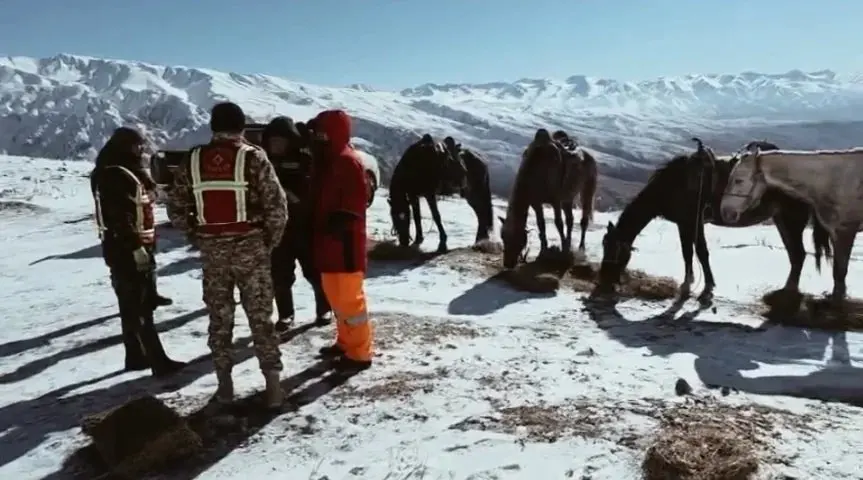
The first rescue attempt failed. A three-person team led by the head of the Chatkal District Emergency Situations Department left at 5:01 p.m. with a vehicle and a drone, but impassable roads and darkness forced them back by 7:20 p.m. The operation, coordinated at regional level by the Jalal-Abad emergency department, switched to horses: twelve animals were readied in the Kara-Shoro area the next morning. By November 13 the ministry confirmed all seven had been brought out safely.
Why does this matter to travellers? Chatkal sits in one of Kyrgyzstan's most remote corners, near the border with Uzbekistan, and the incident shows how fast conditions collapse at altitude in late autumn. Pastures like Kichi-Sandyk are exactly the kind of terrain trekkers and horse-riding tours use in summer, when they're grassy and accessible. Come November, the same tracks can disappear under snow with little warning, phone coverage is patchy, and rescue may take days rather than hours — the stranded group waited roughly two days before getting out.
The practical takeaway is simple. If you're planning horse treks, homestays or off-road trips in Jalal-Abad region or anywhere in the Tian Shan and Chatkal ranges, aim for the June-to-September window. Outside it, check road status locally before committing, travel with a guide who knows the area, and assume a change in weather could cut off your route back. Kyrgyzstan's emergency services are capable — as this rescue shows — but reaching you in snow and darkness is a different matter. Late autumn is better spent in lower, warmer spots like Cholpon-Ata on Lake Issyk-Kul or in Bishkek and Osh, saving the high pastures for next summer.
First reported by Kyrgyzstan: 24.kg.