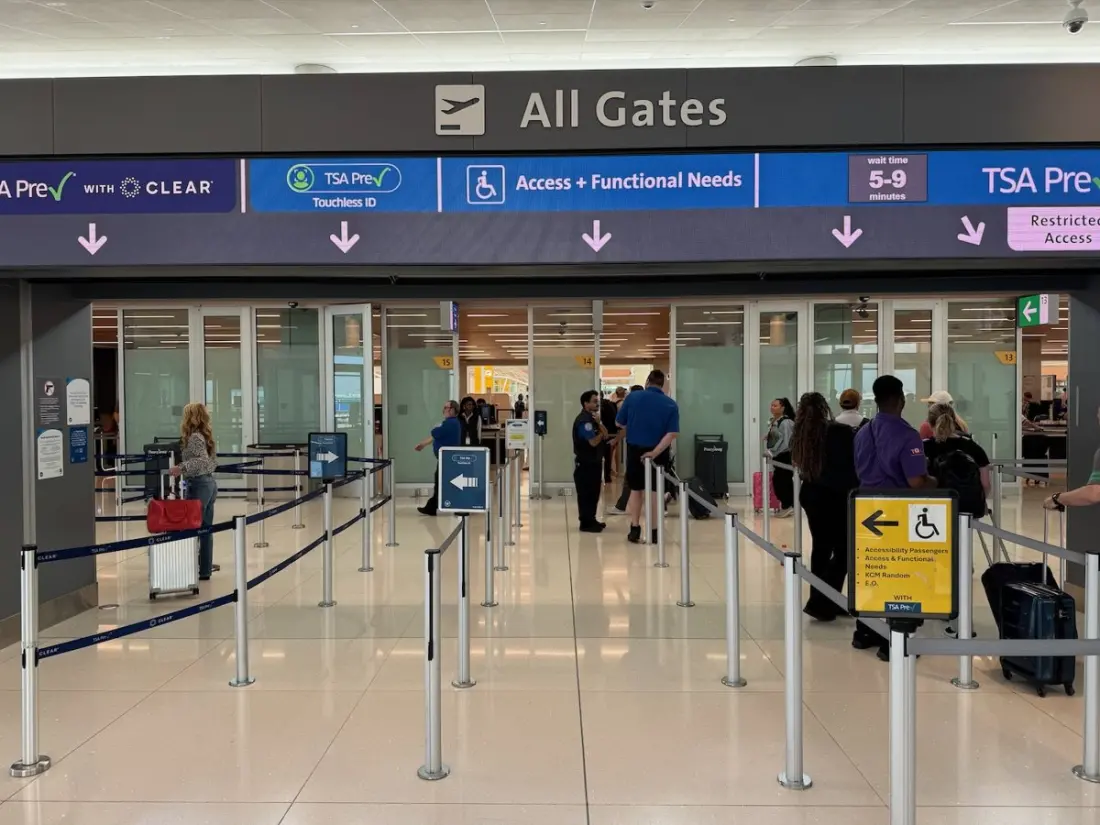
A former Taco Bell food preparer at Denver International Airport has taken her employer to Colorado state court, claiming she was never paid for the time it took to clear airport security and walk to her restaurant before clocking in. The suit also alleges the operator failed to provide paid rest breaks. It sounds like a routine wage dispute, but it touches on something every traveller has grumbled about: why airport food costs so much.
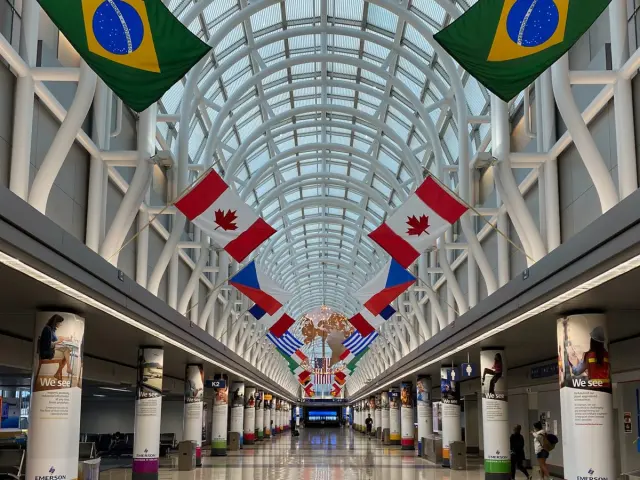
The worker's argument has more weight in Colorado than it might elsewhere. State wage rules explicitly list security or safety screening — and waiting for it — as activities that can count as paid work time. The regulations also cover situations where travel between work locations should be compensated once the workday has begun. If getting screened effectively starts your shift, the follow-on question is whether the long walk to a restaurant deep inside a concourse counts too. At Denver, clearing security doesn't put you anywhere near your job; the airport is vast, and Concourse A can be a serious hike from the checkpoint.
The defence has an obvious counter: getting to work is a commute, and nobody pays you for a traffic jam. The restaurant operator doesn't run the security line either. But the fact that Colorado law names screening specifically makes this a claim courts can't wave off, and the outcome could ripple across airport dining operations nationwide.
Here's where it connects to your wallet. The writer behind the story had just praised $1.70 Taco Bell burritos in Concourse A — a genuine anomaly, given that his same Denver trip included a barbecue salad pushing $20 and a $6.25 street taco that underdelivered. If airports are eventually required to pay staff for screening time and terminal travel, that labour cost has to land somewhere, and menu prices are the likeliest place. It's a more honest explanation for the airport premium than the usual "captive audience" theory: operating past a checkpoint genuinely does cost more than running the Taco Bell on your corner.
None of this means every inflated terminal meal is suddenly fair, and the lawsuit alone doesn't prove wages were unlawfully withheld. But it does mean the cheap eats you find airside are fragile. If the courts side with workers on compensable screening and transit time, those bargain burritos may be the first casualty. For travellers, the takeaway is simple — and slightly sympathetic: the person handing you that pre-flight snack may be working several unpaid minutes before their shift even starts, and fixing that could nudge prices up a notch.