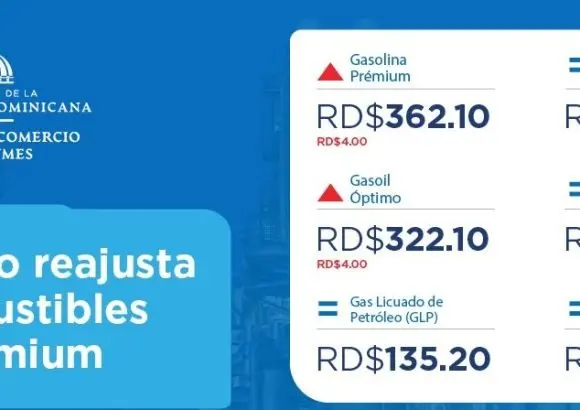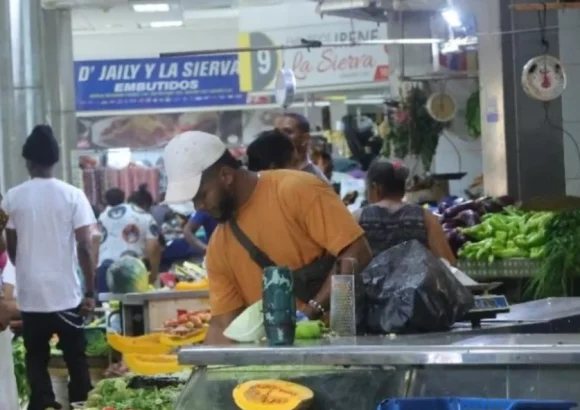
Market stalls in Santo Domingo are telling a story the official line doesn't. Shoppers, vendors and shopkeepers alike report that basic groceries have climbed sharply, with chicken running RD$65-68 per pound, rice RD$38-40 per pound depending on quality, red beans around RD$70 per pound, a carton of eggs fetching RD$210 and individual plantains selling for RD$25-30.
The frustration is aimed at the government of President Luis Abinader, who in an interview with the newspaper HOY admitted the country has a real cost-of-living problem and that people on fixed incomes are being hit hardest. Citizens aren't convinced the authorities grasp the scale of it. One father of three, Ramón Peralta, told reporters his household's food budget has jumped by more than 50% in recent months, forcing the family to cut back on everyday purchases every fortnight.
There's a tension at the heart of the complaints: the Dominican Republic posts some of the region's strongest economic growth and welcomes well over 12 million tourists a year, yet many residents say their salaries cover less each month. Some also question whether the government truly walked back its tax reform, arguing new taxes keep arriving and land hardest on middle- and lower-income households.
For travellers, the relevance is practical rather than political. Those local market prices translate into higher restaurant bills and grocery costs, especially in tourist zones where margins are already padded. A visitor buying staples at a mercado will pay roughly the same as a local — around US$1.20 for a pound of chicken, or about US$3.50 for a carton of eggs at recent exchange rates — so anyone self-catering or eating away from resort buffets should budget a little more generously than a year or two ago.
It's also a window into the country beyond the beaches. The Dominican Republic's tourism boom coexists with genuine economic strain for residents, and travellers who step into a Santo Domingo market or a neighbourhood colmado will see it firsthand in what things cost and how people shop. Tipping generously, buying directly from small vendors and favouring locally owned eateries are simple ways to make sure more of your spend reaches the people dealing with these prices daily.
Inflation driven partly by global oil prices is a worldwide story, but the gap between headline growth and household reality here is what's making noise. For anyone planning a trip, it doesn't change the appeal of the beaches, the colonial old town or the mountains — it just means bringing a slightly fuller wallet and spending it where it counts.
Reported by Dominican Today.