A bill with the friendly-sounding name of the Bipartisan American Affordability and Jobs Act (BAAJA) cleared the US Senate on November 19 and now heads to the House of Representatives — and ten major conservation and civil-rights groups are urging travelers to pay attention before it becomes law.
At its core, BAAJA is a permitting-reform bill. It aims to fast-track approval for energy projects — everything from fossil fuel developments to wind and solar farms — and, crucially, make those permits far harder to revoke once issued. Backers include an unusual coalition: solar industry groups, the AFL-CIO, and the American Petroleum Institute all like the promise of faster construction and jobs. Some Democrats support it precisely because it would stop a future administration (including Donald Trump's) from unilaterally killing approved clean-energy projects like offshore wind.
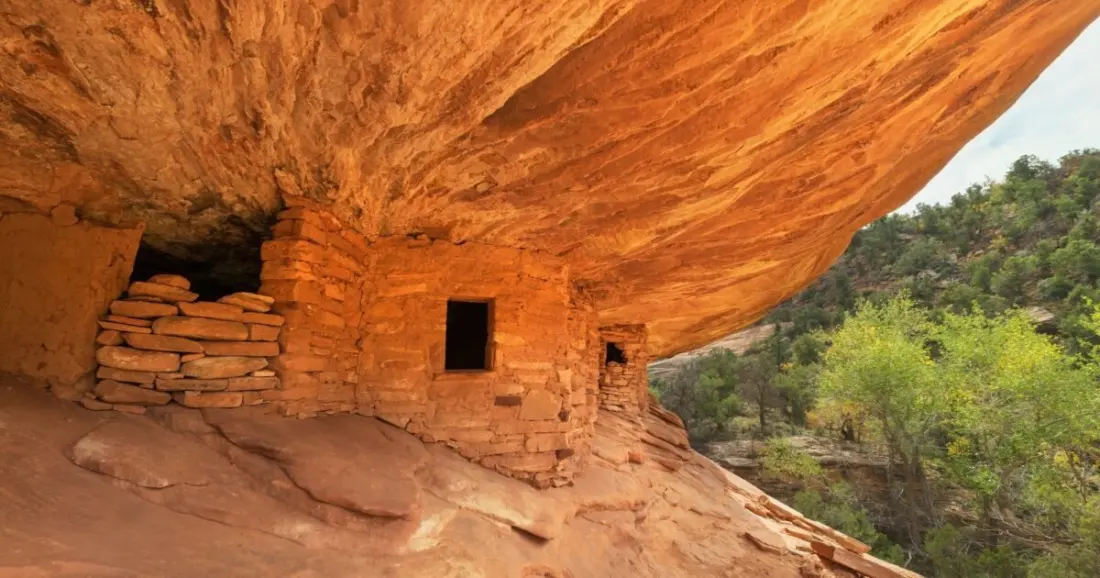
But watchdog groups see a heavy price. The Wilderness Society warns the bill would lock in drilling and mining projects even if later found unlawful, weaken public participation, and erode Tribal consultation. The National Parks Conservation Association says the path to clean energy 'should not run through our national parks,' noting the bill limits the voice of the public, Tribes, and park experts while weakening safeguards for endangered species. The Native American Rights Fund and the National Congress of American Indians both object that historic-preservation provisions were drafted without meaningful Tribal consultation, threatening sacred sites — the Center for Western Priorities points specifically to risks around Bears Ears and beyond.
The Sierra Club flags four red flags: courts losing power to act on violations, states losing the ability to protect their own waters, endangered-species consultation shifting to states, and 'permitting certainty' that overrides environmental standards. Public Citizen adds that the bill undermines existing protections around LNG exports, while the NRDC says it would hand public lands to the mining industry. Even Al Gore has called passage a 'serious mistake,' particularly regarding data center construction on public lands — an amendment by Oregon Senator Ron Wyden to ban that was blocked. The NAACP argues the bill shields polluters rather than communities.
Not everyone is fully opposed. Bill co-author Senator Sheldon Whitehouse says he's working on amendments to close loopholes, and groups like the Winter Wildlands Alliance stress they support permitting reform in principle — they just object to how this bill weakens bedrock laws like the Clean Water Act, NEPA, and the Endangered Species Act.
Why should holidaymakers care? America's national parks, monuments, and public lands — the places people road-trip, hike, ski, and camp across — are exactly what's at stake. If permits become effectively irreversible and legal challenges get harder, decisions about drilling, mining, and industrial development near treasured landscapes could be locked in for decades. Travelers who want a say have a narrow window: the bill now sits with the House, and the groups quoted here all provide ways to contact representatives before a final vote. Frommer's