Hikers on the Appalachian Trail have a name for a day off: a zero. No miles, no pack, just recovery and chores. A recent trail journal from The Trek offers a candid look at what that actually means, using a zero day in Rutland, Vermont, as the case study — and it turns out rest on a long-distance hike rarely looks like rest.
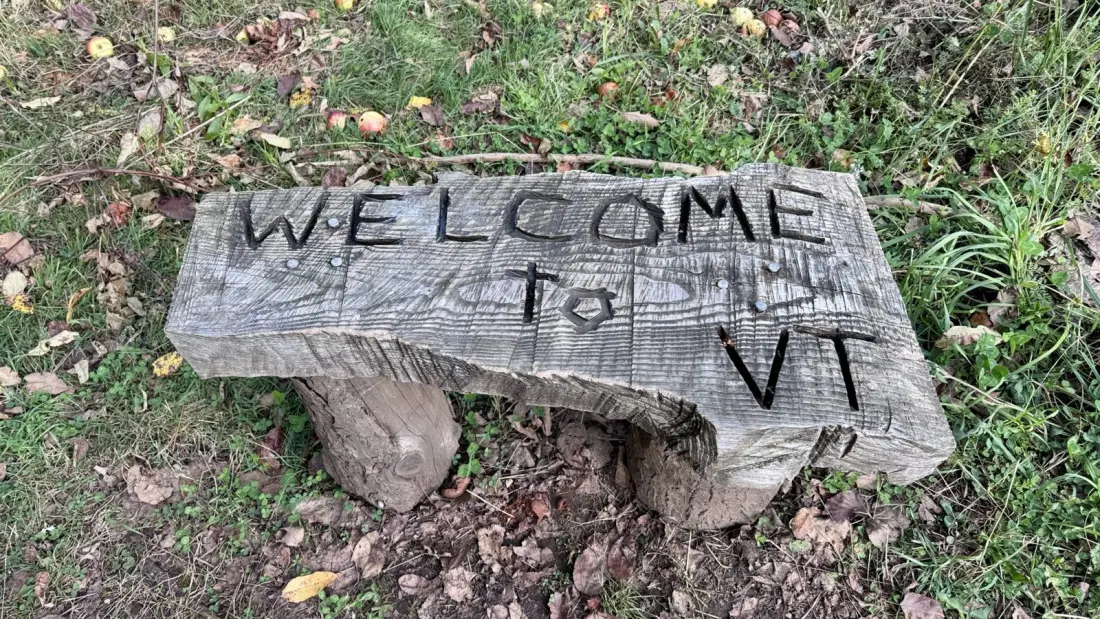
The hiker in question is deep into a double traverse of the AT, and by the end of this stretch expects to have fewer than 1,000 miles remaining. Having just wrapped up New Hampshire and crossed into Vermont, they'd built in a town day around a forecast of all-day rain. The plan sounded simple: catch up on blog posts, sort out gear, refuel, and let the body recover before pushing on through the Green Mountains.
Instead, the day was eaten alive by technology. An iCloud syncing loop chewed through the bandwidth at a Hannaford grocery store — apparently a go-to wifi stop for hikers in town — and an hour on the phone with Apple Support produced no real fix. The only clean solution risked wiping the local photo library and forcing a marathon re-download of every image from the trail. The workaround, reached late and through trial and error, was to stop the program auto-launching and kill it manually whenever it reopened. By the time that was sorted, dinner plans had shrunk to a long-coveted pizza, eaten after 9pm, with NFL Sunday and fantasy football running in the background before the drive back.
The journal also frames the bigger picture, and this is where the travel value sits. The previous week delivered real highs: finishing New Hampshire, improvising a road walk and the Sherburne Pass Trail alternate to score prime campsites, and banking extra miles to dodge a incoming nor'easter. The hiker singles out the hospitality they met across their first week in Vermont as the standout. The coming week starts rough with the storm, but flexible itineraries and a lighter mileage day after the zero should set up bigger days once the weather clears.
Why should a traveller care? Because it's an honest window into thru-hiking logistics. Town stops like Rutland are the engine room of any long trail — wifi hunts, resupply, laundry, pizza, and a bed matter as much as the summits. If you're dreaming of hiking the AT through Vermont, the takeaways are practical: plan zeros around the forecast, pad your schedule for storms like nor'easters, expect to improvise alternates when campsites fill, and don't schedule anything ambitious for a town day — something always breaks. It's also a reminder that the people you meet in towns along the trail can define a section as much as the scenery.
Anyone weighing a section hike through Vermont or curious about the reality behind those glossy trail photos could do worse than follow a journal like this one: the mud, the wifi failures and the hospitality included.