A long-distance hiker who goes by the trail name Gadget has published a full end-of-hike gear review on The Trek, after walking more than 2,500 miles of the Pacific Crest Trail this year between Mexico and Canada. The verdict? A thoughtfully chosen kit held up remarkably well — five pairs of trail runners, a quilt and trekking poles bought back in 2019, and just a few mid-trail swaps.
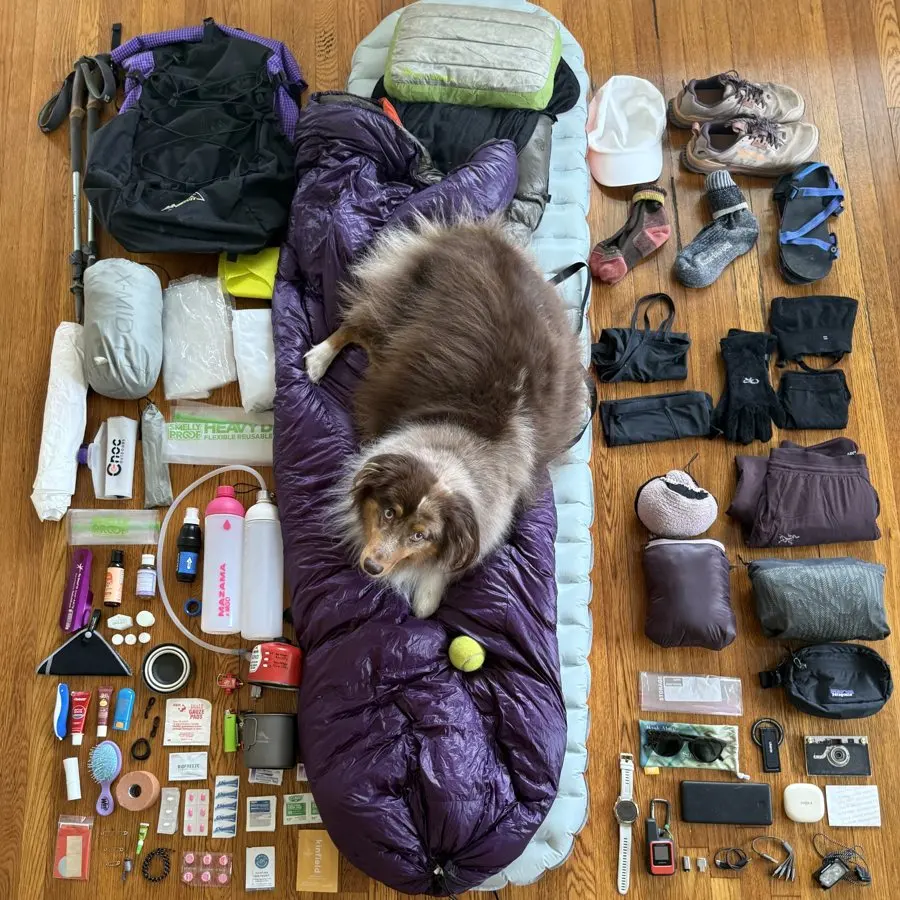
The shelter and sleep system worked almost flawlessly. Gadget used a Durston X-Mid 1 tent (28.5 oz), preferring the sturdier poly version over the pricier dyneema model, an Enlightened Equipment Revelation 20 quilt, and a NEMO Tensor insulated pad, supplemented by a Sea to Summit Thermolite liner for cold nights. One standout luxury find: the Alpenblow Lux micro inflator, spotted at Trail Days, which quietly inflates a pad in seconds. The ULA Circuit backpack carried everything comfortably, though shoulder pain appeared on the heaviest food carries in the Sierra.
On the footwear front, the answer to the most-asked post-trail question is five: Gadget went through five pairs of Altra Lone Peaks, finishing the trail blister-free. Darn Tough socks survived the whole route in just two pairs, with the brand's replacement warranty doing the rest. Branwyn merino underwear earned praise as the only clothing that never smelled foul after months of wear.
The kitchen stayed minimal but smart: an MSR Pocket Rocket stove, a 650 mL Toaks titanium pot, and a FlipFuel transfer device that let Gadget combine half-empty canisters rescued from hiker boxes. A GSI pot scraper — bought the day before starting at Campo — was called the most underrated item of the hike. Water came via a Sawyer Squeeze paired with a durable Cnoc VectoX 2L bag, though the Platypus QuickDraw gets the nod for the next hike after fewer clogging complaints from trailmates.
A few honest failures are useful too. A budget alpha fleece snagged constantly and suffered a stove mishap; a 2018 Patagonia Torrentshell delaminated and wet out quickly in Washington's relentless rain; and gloves carried the entire way barely got worn. For bear country, renting a canister from Triple Crown Outfitters cost about the same as shipping one and was far more convenient. In NorCal and Washington, an IGBC-approved Ursack replaced the hard-sided canister after the Sierra.
For anyone dreaming of a thru-hike, the bigger lesson isn't a specific product — it's that a dialed-in, personally tested kit beats buying new everything. Gadget started with gear already trusted over years of use, made only minor adjustments, and finished happy. But even casual section hikers on the PCT can borrow the essentials here: dependable shelter, a warm sleep system, durable shoes, and a backup water purification method (Gadget, a water engineer, always carries Aquatabs).