Madrid has quietly become home to the largest Venezuelan community outside the Americas — nearly 700,000 people — and its appetite has reshaped the city's food map. What started a decade ago with a handful of empanada spots has grown into hundreds of options, from bakery counters to Insta-famous restaurants.
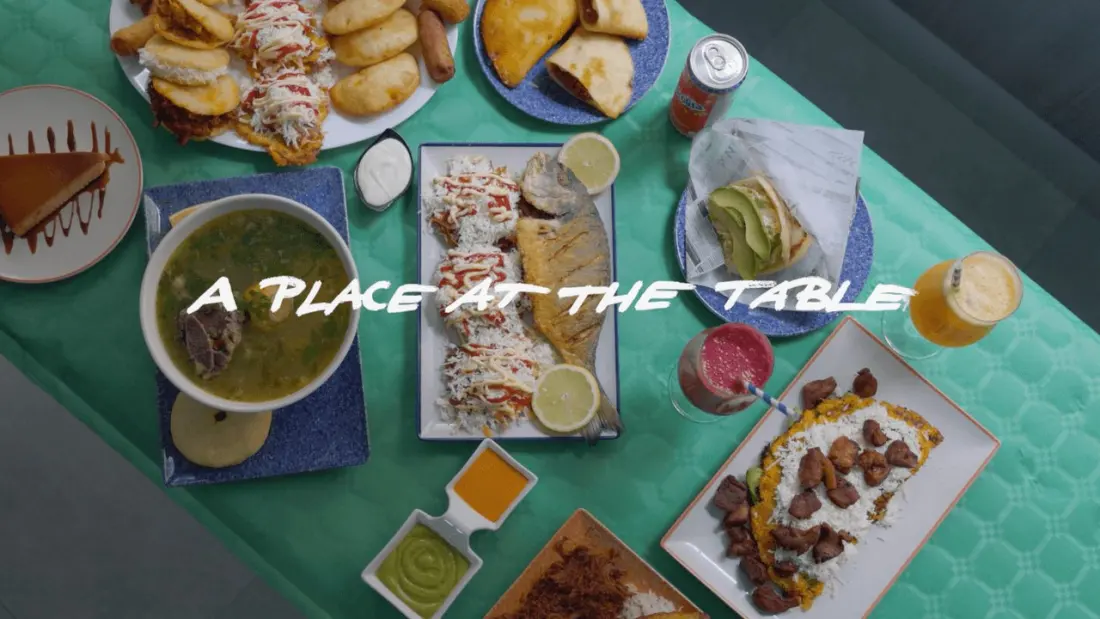
The heart of it is Mercado de Las Maravillas, a market in the west of the city where yuca and plantains sit alongside Spanish produce and vendors greet customers as "amor" and "reina." El Empanadazo, opened there nearly ten years ago by Manuel Pérez Álvarez and Maira María Gómez after they queued 45 minutes for empanadas and saw the opportunity, serves pabellón criollo, fried whole fish, cachapas and arepas. Pérez remembers early customers crying over their plates. Also in the market: Buda Bar Delicias Venezolanas, where regulars dunk carne mechada empanadas in green guasacaca sauce.
Beyond the market, the options keep multiplying. Arepa's Coffee Shop sits by Moncloa station; La Arepera has four locations; Guasacaca is expanding fast. In the upscale Barrio de Salamanca — nicknamed "Little Caracas" for its Venezuelan residents — Mara Azuaje opened Panadería Torrerí in 2024, filling glass cases with ham-and-cheese cachitos and golfeados, spiral pastries brushed with panela and anise. She arrived in Spain at 27, cleaned houses and drove deliveries to save up for the bakery, guided by her grandmother's advice to learn a craft.
Then there's Cafetín, run by Bea Castelló Castro and Luis Felipe Fossa, who left Caracas in 2007 as Chávez consolidated power. Their menu blends Venezuelan touches — arepas with chia seeds, shredded chicken and avocado — with flavours from other lives lived abroad, and the café draws a well-travelled crowd of Venezuelans who swap stories of Miami, New York and London over breakfast. Every March, Arepa Fest pulls over 5,000 people to the north of the city for arepas, merengue and reggaeton alongside Colombian vendors.
For travellers, this is one of Madrid's most rewarding food detours. You won't find a single "Venezuelan quarter" — the community stretches across the whole city and every rung of the economic ladder — so the fun is in the seeking: an empanada at a market bar, a sweet pastry in Salamanca, an arepa near a bus station. Each place doubles as a community hub for people who left home under hard circumstances, which gives the food a warmth that's hard to fake. Come hungry for corn, plantains, shredded beef and that herby guasacaca.
Story via Condé Nast Traveler.