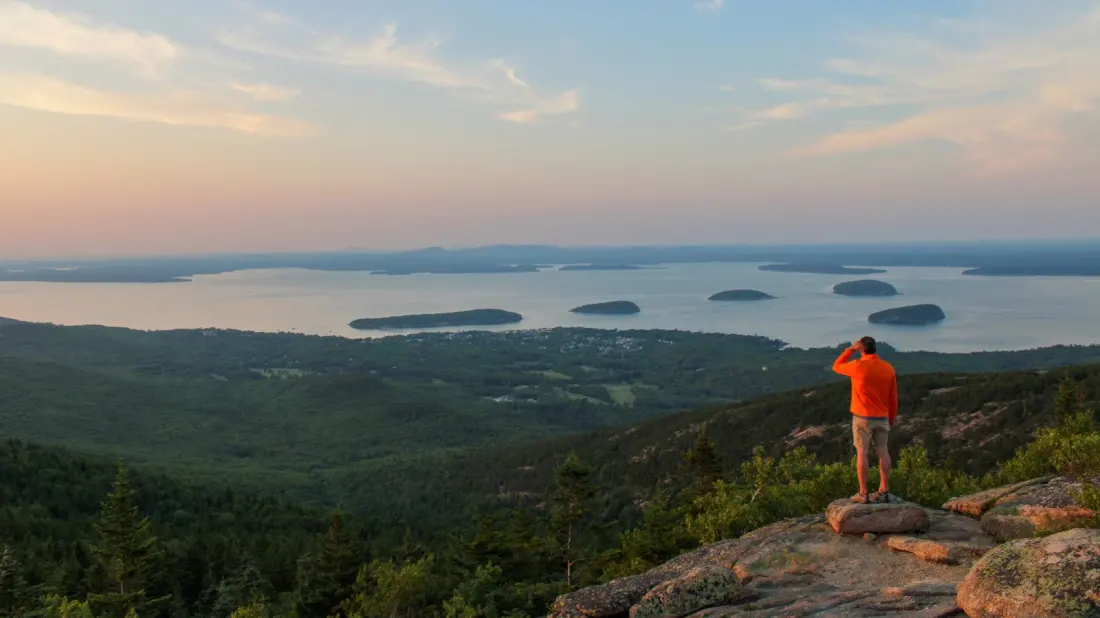
Acadia National Park in Maine looks much the same from the road - granite peaks, spruce forest, that famous drive up Cadillac Mountain. But visitors this year may notice something missing: roughly 30 interpretive signs have been taken down, several of them telling the story of the Wabanaki people, the Indigenous nation connected to these lands, and others explaining how climate change is reshaping the park.
The removals follow a March 2025 executive order from President Trump titled Restoring Truth and Sanity to American History, which directed that national park content not "inappropriately disparage Americans past or living." Critics see it differently. Among the signs gone is a marker atop Cadillac Mountain describing the peak's significance to the Wabanaki. Jennifer Neptune, a citizen of the Penobscot Nation, called the removal a "real gut punch" - not only for Indigenous people, she told The Associated Press, but for anyone whose story risks being left untold. Congresswoman Chellie Pingree put it bluntly in a letter to Interior Secretary Doug Burgum: national parks are not billboards for propaganda.
There's been pushback, and it's had some effect. A lawsuit filed in February 2026 led U.S. District Judge Angel Kelley to order the signs restored, with a pointed reminder that American history can't be told honestly while excluding entire communities. Restorations so far have been slow, though, so don't count on seeing everything back in place on your next visit.
Meanwhile, a volunteer group called Save Our Signs (SOS) is racing to document removed signage across more than 400 national parks and historic sites. Backed by crowdfunding, they've collected over 17,000 photos and built an interactive Censorship Tracker where you can see exactly what's gone - including 20 documented signs from Acadia so far. They're asking visitors to contribute photos of any signs they encounter, before more disappear.
Why should travellers care? Because a visit to Acadia in 2026 is subtly different from one a few years ago. The scenery is unchanged, but the cultural and historical context - the Wabanaki presence, the environmental warnings - may be thinner on the ground. Some visitors find that a loss worth noting, and worth documenting. If you're heading to Maine's flagship park, still start with the Loop Road, one of the most scenic drives in the country, then pick your hikes from there. And if you spot an interpretive sign, snap a photo. It might end up in an archive that helps put the story back where it belongs.