El Salvador has spent years shedding its reputation as one of the most dangerous countries on earth, and the story of Barrio 18 — the 18th Street Gang, or Mara 18 — explains why. The gang, born in Los Angeles in the mid-20th century among Mexican immigrant communities, grew into one of Central America's most feared criminal networks, along with its rival MS-13.
The gang's spread to Central America was an unintended consequence of US policy. In the 1990s, America deported thousands of non-citizens convicted of crimes back to El Salvador, Guatemala and Honduras. Some carried gang identities and structures with them, and in countries marked by poverty and weak institutions, the networks took root fast. By the early 2000s, Barrio 18 was entrenched in urban neighbourhoods across the region.
In El Salvador, the gang's business model was extortion. Bus operators, market vendors and small businesses paid regular protection money or faced threats, attacks and worse. Territorial battles with MS-13 — and after roughly 2005, an internal split between Sureños and Revolutionaries factions — made entire districts dangerous for ordinary residents.
Various strategies failed before the current one. A controversial 2012 truce, brokered with government and Catholic Church involvement, briefly cut homicides while extortion continued. By 2015, El Salvador had a homicide rate of 106 per 100,000 people — among the world's highest.
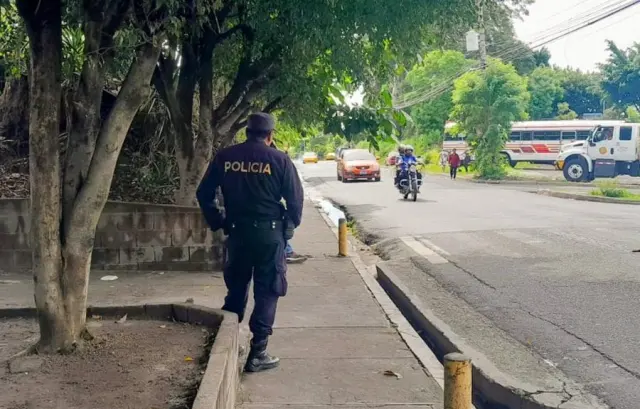
The turning point came in March 2022, when a weekend of gang killings prompted President Nayib Bukele's government to declare a State of Exception. Security forces have since arrested tens of thousands — over 93,000 by October 2026 — and in October prosecutors filed charges against 564 alleged Barrio 18 members, spanning nearly 14,500 charges. The numbers tell the story: annual homicides have fallen from 6,656 in 2015 to 49 by late October 2026.
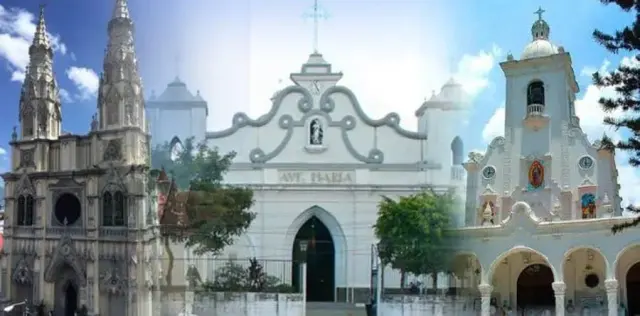
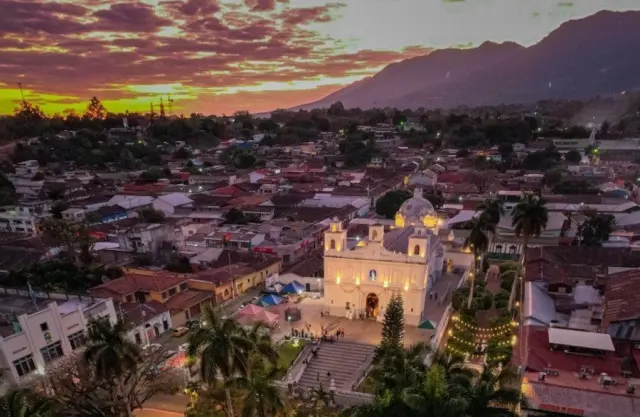
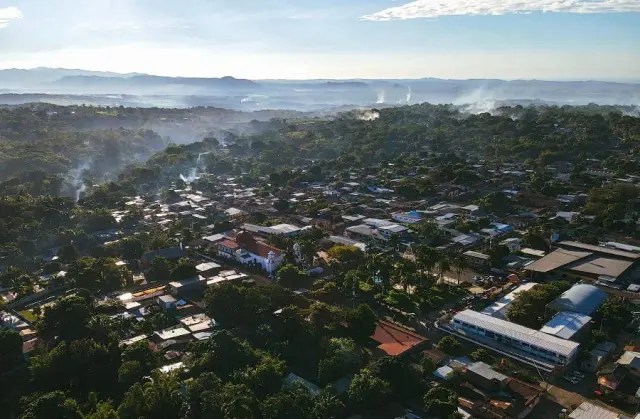
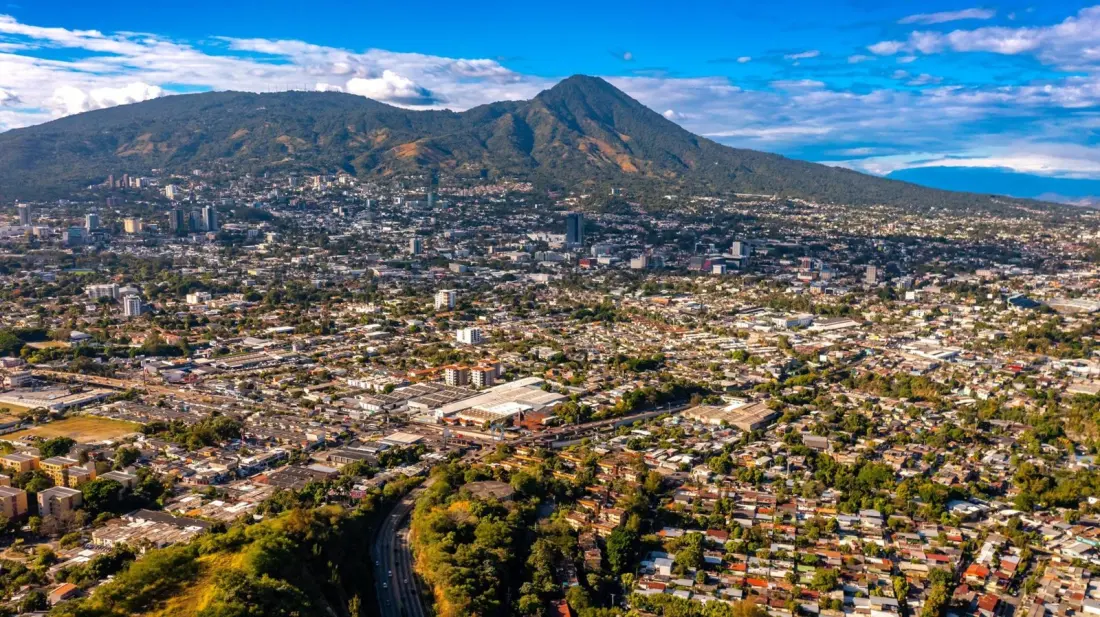
For travellers, this is the context behind El Salvador's tourism revival. Surf towns like El Tunco, the Ruta de las Flores and the capital's historic centre were once off-limits or risky; residents report they can now move freely through neighbourhoods formerly under gang control. The country now markets itself as a safe, up-and-coming destination.
That said, the crackdown comes with an important caveat. Human rights organisations have documented arbitrary detentions, deaths in custody and due process concerns, and the Inter-American Commission on Human Rights renewed calls to end the emergency measures in April 2026. The State of Exception itself has been extended dozens of times, giving police broad powers that apply to everyone in the country, including visitors.
The practical takeaway: El Salvador is statistically far safer than it was a decade ago, and travel there is easier and more rewarding than ever. Still, stay informed about the legal environment, carry identification, and be aware you're visiting a country operating under extended emergency powers. Barrio 18's decline opened the door to tourism — understanding how that happened makes you a better-informed visitor.