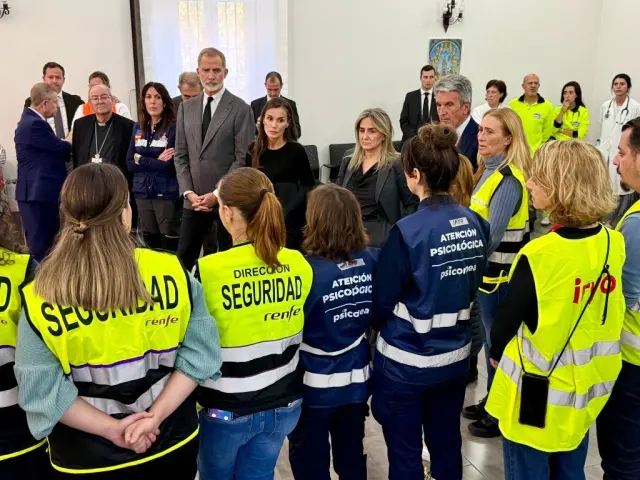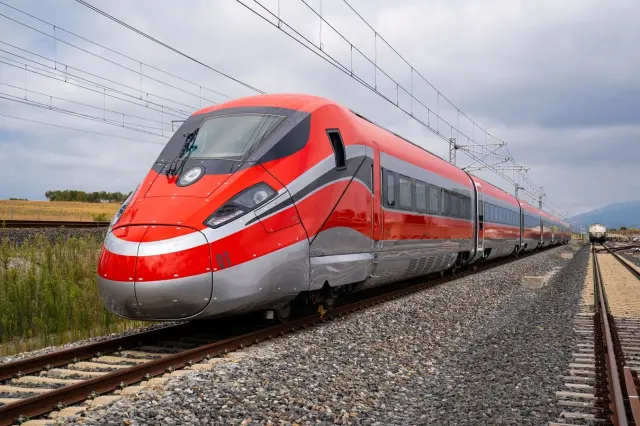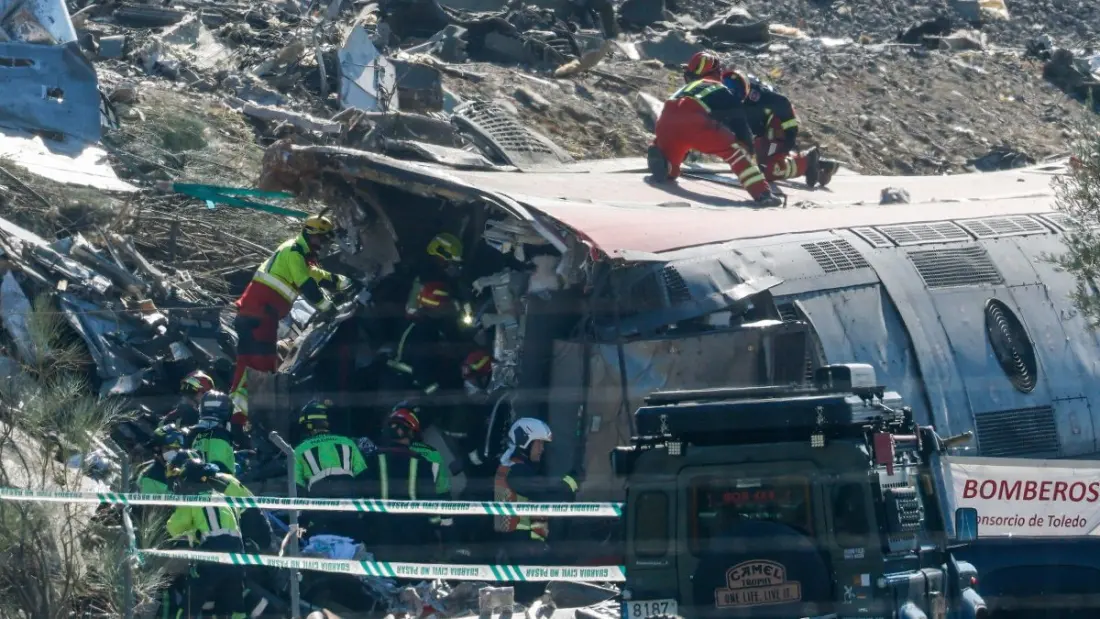
Two high-speed trains collided on Wednesday near the town of Urda in Spain's Toledo province, killing at least 30 people and injuring dozens more. The crash happened on the busy high-speed corridor linking Madrid with Seville, roughly 130 kilometres south of the capital, in the region of Castilla-La Mancha. Regional government spokeswoman Esther Padilla confirmed the location, and officials warned the casualty figures could rise as emergency crews continued rescue and recovery work.
The fallout goes beyond the crash site. The collision knocked out high-speed services between Madrid, Ciudad Real and southern Spain, stranding passengers on one of the country's most heavily used routes. Anyone planning to travel between the capital and Andalusia by train faced cancellations and disruption, with no immediate indication of when normal service would resume.
Spain's football authorities responded quickly. The Royal Spanish Football Federation (RFEF) called off all 24 Copa del Rey first-round matches scheduled for that Wednesday afternoon and evening, saying the decision was made as a mark of respect for the victims and in solidarity with their families. New dates for the postponed fixtures will be announced later. Real Madrid and Barcelona were not affected, since both enter the cup in a later round, but several other top-flight clubs saw their opening matches shelved.
The cause of the collision had not been established at the time of the initial reports, and investigators were expected to look into the circumstances. The tragedy prompted an outpouring of grief across the country, with sporting bodies and public institutions joining in tributes to the victims.
For travellers, the practical takeaway is to check Renfe's service updates before heading to Madrid's Atocha or any station on the southern high-speed line, as disruptions on this corridor can ripple through connections to Córdoba, Seville and Málaga. For football fans with trips built around a Copa del Rey fixture, keep an eye on the RFEF's rescheduling announcements before changing plans. This is a fast-moving story, and both the casualty toll and the transport picture may develop.