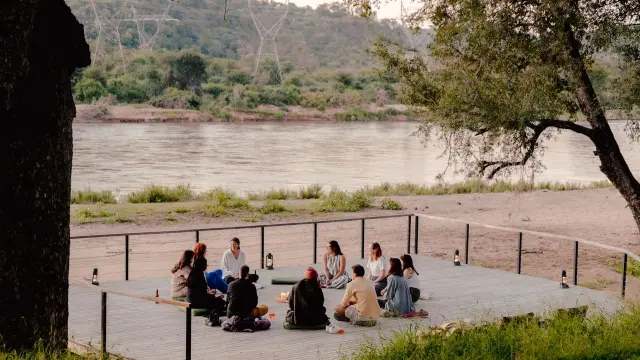
For around 1.3 billion people worldwide — roughly 16% of the global population, according to WHO figures cited by ASATA CEO Otto de Vries — planning a trip starts not with excitement but with a list of unknowns. Will the hotel room actually work for their needs? Is that "accessible" label on a website backed by anything real? A new industry conversation in South Africa argues that answering those questions isn't just the right thing to do — it's one of the continent's biggest untapped tourism markets.
The core problem, several experts told Nomad Africa Magazine, is uncertainty. Disability tourism consultant Peter Tait, founder of Kifaru Travel and himself living with Late-Onset Idiopathic Ataxia, says the biggest barrier to disabled travellers exploring Africa isn't disability itself — it's the struggle to get accurate information before leaving home. There's no common definition of "accessible", so a single step at an entrance or a narrow bathroom doorway can decide whether a holiday happens at all.
That also means thinking well beyond ramps. Many disabilities are invisible: autism, hearing loss, dementia, chronic pain, low vision, neurological conditions. Tait argues the industry should shift from a compliance mindset to a hospitality one — instead of asking "are we accessible?", ask "how can we make every guest feel welcome?" Simple fixes like clearer communication, flexible procedures and better staff awareness cost little but change everything.
Some operators are already acting. Cape Town's President Hotel has worked with Autism South Africa on staff training, introduced pre-arrival questionnaires, quieter check-in options and dining adjustments for neurodivergent guests. General manager Nikki Vardan stresses that disability isn't one-size-fits-all — two guests with the same condition may need very different things — and that every department, from housekeeping to the spa, should know how to offer help respectfully.
Marketing matters too. Communications specialist Sherise Dreyer says disabled travellers shouldn't be treated as a separate campaign audience; they're already part of the market. Representation should come with practical detail — describing what accessibility actually means at a property rather than just slapping the word on a brochure — because trust collapses fast when marketing doesn't match the reality on the ground.
Industry bodies like SATSA, which recently ran an accessible tourism webinar, see growing willingness among businesses to learn from people with lived experience, but acknowledge there's a long way to go. Their advice: audit the whole guest journey, share accessibility information across hotels, tour operators and attractions, and never assume — ask guests what they need.
Why should travellers care? If you're disabled, travel with someone who is, or are simply getting older, this shift means more African destinations where you can book with confidence rather than guesswork. And the principles of clear information, flexibility and patient service improve trips for everyone. Africa's tourism growth may well depend on how honestly it answers a very simple question: what can I actually expect when I arrive?
Accessible Tourism Could Be Africa's Next Big Travel Opportunity — and It Starts With Honest Information
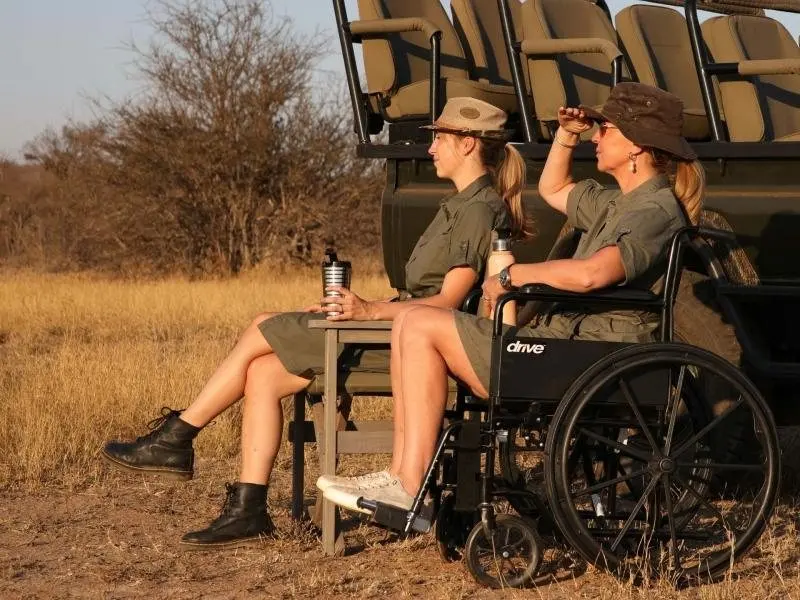
Originally reported by
Nomad Africa.
This is an independent curation by click.holiday — see the source for the full story.
accessible travel
south africa
inclusive tourism
disability travel
africa
industry trends