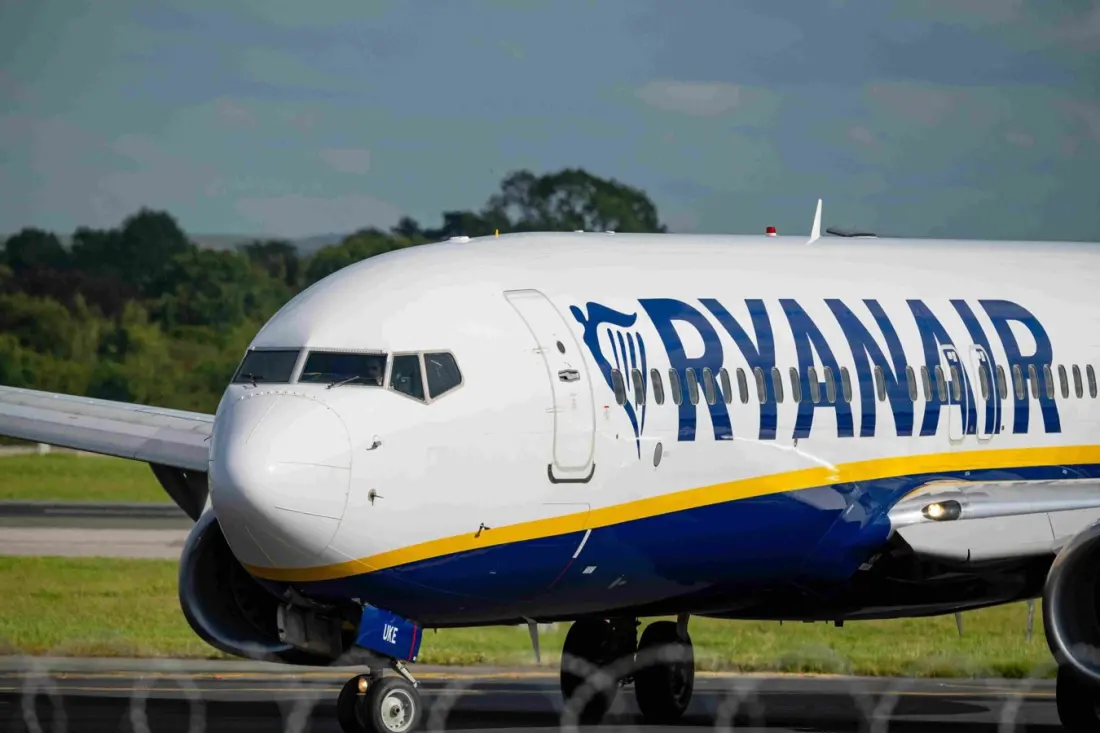
Ryanair's chief executive Michael O'Leary has laid out a range of cost-cutting options as the airline confronts a fuel bill set to rise by roughly €2 billion in the financial year ending March 2028. The measures under review include pay freezes when current staff agreements expire, trimming crew numbers, slower recruitment of pilots and cabin crew, and wider use of artificial intelligence.
The numbers behind the warning are stark. In its half-year results, Ryanair posted a profit after tax of €2.15 billion, down 15% on the same period last year. Traffic still grew 6% to 125.8 million passengers and average fares actually fell 4%, but the fuel picture has turned sharply against the airline. It has locked in prices on 80% of its fuel at $67 a barrel until the end of March, yet must buy the remaining 20% at market rates — now hovering around $130 a barrel, roughly double the hedged price. The culprit is the Middle East conflict, which has pushed oil prices up, and O'Leary says fuel will stay expensive "well into 2027" unless the situation resolves quickly.
AI is one lever the airline is already pulling. O'Leary says the technology has helped boost capacity by 4%, letting managers handle more work with the same resources. That has meant fewer middle managers, a trimmed graduate programme and slower hiring of flying staff. Cutting actual crew numbers is harder, though — legal minimums limit how far Ryanair can go.
The unions are not on board. Unite said it had heard nothing about pay freezes and that its multi-year agreements aren't tied to company results. The Irish Airline Pilots' Association dismissed the idea outright, pointing out that rival airlines pay pilots considerably more despite facing identical fuel costs.
For anyone planning a trip, the bigger story is what happens to ticket prices. O'Leary expects European short-haul fares to rise by more than 10% in 2027, and he has previously warned of "the biggest increase in airfares in history" — potentially 10% to 20% across the continent. His reasoning: many airlines failed to hedge against the fuel spike, and expected mergers and bankruptcies will shrink the number of seats available, tightening supply just as costs climb. Even Ryanair admits higher fares won't fully cover its extra costs. There's one small silver lining for holidaymakers: the airline announced 126 new Summer 2027 routes and a new base in Rimini, Italy.
The practical takeaway: if you're eyeing a European city break or beach trip for 2027, booking earlier rather than later could pay off. Budget carriers built their model on rock-bottom fares, and that era may be pausing for a while.