Once upon a time, adventure travel meant a hardcore few dragging kayaks onto remote rivers. Now it's one of the biggest stories in tourism. Market researchers at Fortune Business Insights peg the global adventure tourism market at roughly $995 billion in 2026, up from about $896 billion in 2025, with projections topping $1,978 billion by 2034. That's not a niche any more — that's the mainstream.
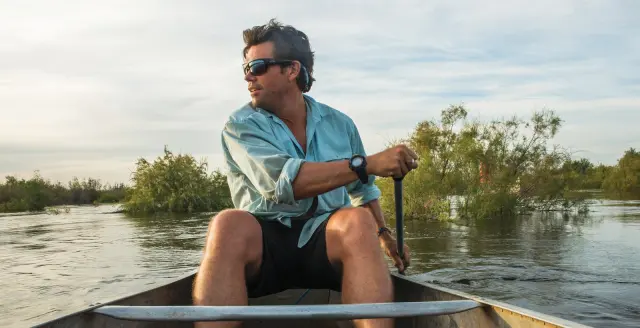
The engine behind the boom is largely generational. Younger travellers, especially Gen Z, want trips built around real contact with local cultures and wild places rather than poolside buffets, and they want experiences that translate well to TikTok and Instagram. Whether that's leaping off a cliff with a paraglider or standing silent in an old-growth redwood forest, the formula is the same: a real person in a spectacular setting. The travel industry has responded in kind, with themed cruises, specialist tour operators, and dedicated publications now serving climbers, rafters, hikers, surfers, divers, paddleboarders and more.
Europe leads the world for authentic adventure destinations, drawing more than 35 percent of global adventure travellers. Back home in the United States, the National Parks alone log more than 300 million recreational visits every year — proof that the appetite for the outdoors runs far deeper than any single trend cycle.
Here's the part that surprises people: it isn't only a young person's game. Some of the fastest-growing segments are multi-generational adventure trips, plus hiking, cycling and nature exploration among travellers aged 45 and older. If you've been assuming the trailheads belong to twenty-somethings with GoPros, the booking data says otherwise.
Growth isn't without friction. Nearly 28 percent of travellers report being influenced by safety concerns and weather-related uncertainty when booking adventure activities, according to an analysis by Industry Research. Insurance costs, new regulations, eroding coastlines, and the growing frequency of wildfires, hurricanes and mudslides all cast a shadow over long-term planning. For travellers, the practical takeaway is simple: book with reputable operators, check cancellation and medical cover carefully, and build some flexibility into trips to exposed destinations.
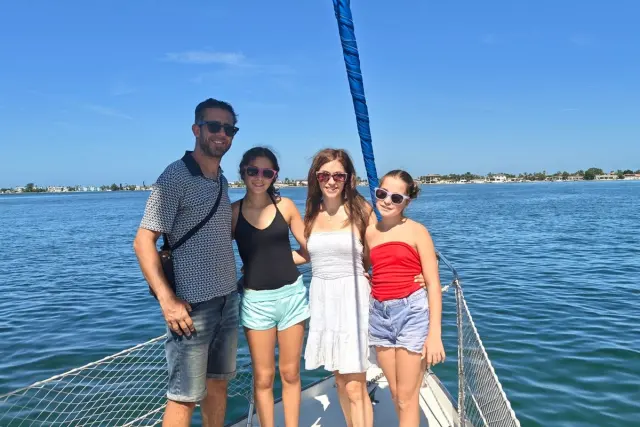
Why should a regular holidaymaker care? Because adventure travel has scaled to every budget and comfort level. You no longer need to be an elite athlete — a guided cycling trip through wine country, a snorkelling cruise, or a family hiking week in a national park all count, and the industry is competing hard for your booking. Older travellers and families are arguably the best served right now, with operators designing itineraries that mix activity with genuine comfort. If your holidays have been feeling interchangeable, this is the segment reshaping what's on offer.