Costa Rica's Pacific coast is under a red alert — not for a storm, but for the sea itself. The National Emergency Commission (CNE) has extended an El Niño emergency alert across 12 nautical miles of coastal water from Guanacaste down through Puntarenas, including the gulfs of Nicoya and Papagayo. It's the first time the agency has ever declared a maritime emergency, and the reason is simple: the fish are disappearing from places where communities have fished them for generations.
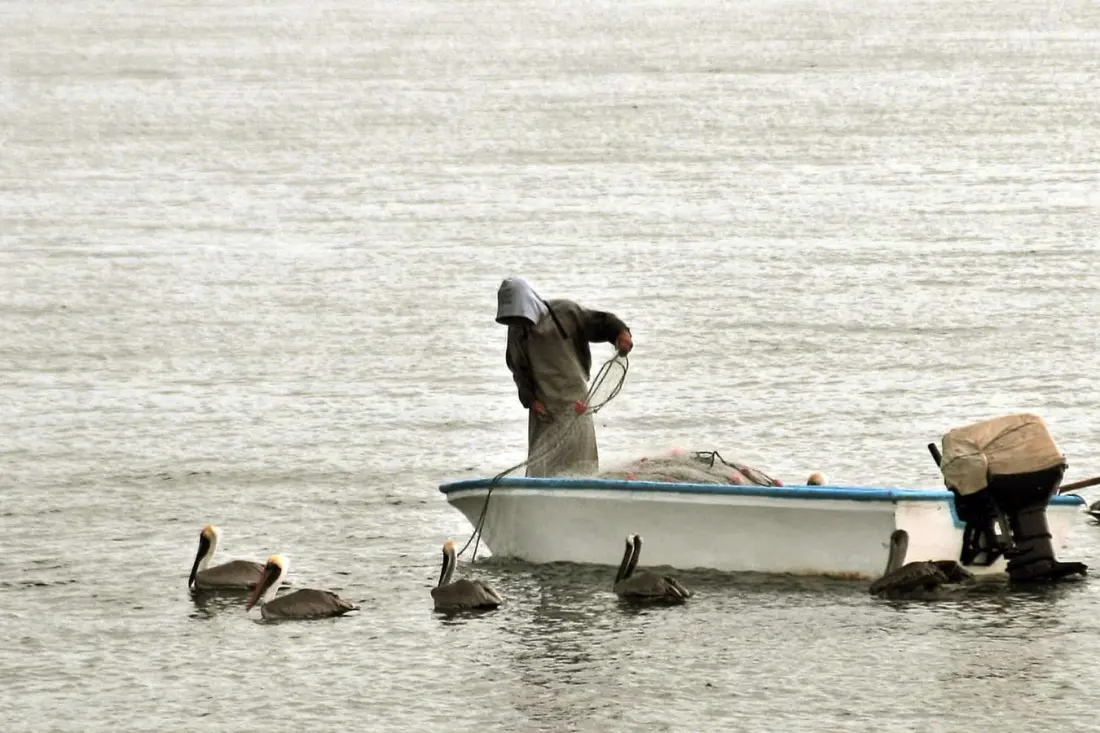
The numbers coming out of the Gulf of Nicoya are stark. A fisher in Costa de Pájaros who once hauled in 70-100 kilos of fish and up to 40 kilos of shrimp per trip now spends five hours on the water and may return with two fish and 300 grams of shrimp. Another veteran fisherman says a seven-kilo catch barely covers the 15-19 litres of fuel his two-stroke engine burns. On Isla Venado, locals estimate fewer than 30% of the island's fishers are still going out; the rest have pivoted to selling sardines as bait, ferrying tourists between islands, running cabin rentals or serving meals grown in home gardens.
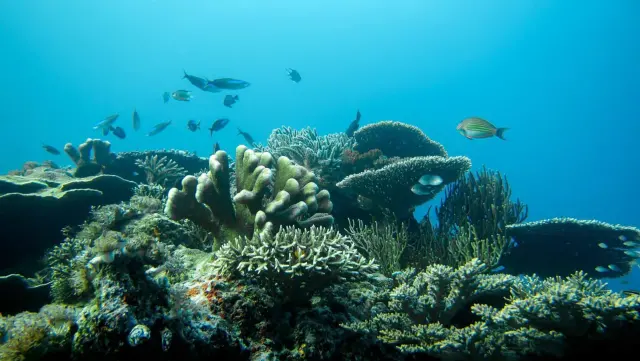
The science behind it is straightforward. In a normal year, winds crossing from the Caribbean through Guanacaste's lowlands push warm surface water offshore, drawing cold, nutrient-rich water up from the deep. That upwelling feeds the plankton that anchor the whole food chain. El Niño has stalled it: sea surface temperatures along Costa Rica's Pacific coast are running 1.5°C above normal, part of an event marine biologists at the MarViva Foundation describe as one of the strongest on record, with warm water reaching deeper layers. Mobile species like snapper, snook and corvina are fleeing to cooler, deeper water, forcing fishers to travel farther than their fuel budgets allow. Slower creatures — mollusks, corals — simply can't escape the heat.
For travellers, this touches the Gulf of Nicoya in practical ways. The fishing villages around Puntarenas, Costa de Pájaros and the islands have long drawn visitors for seafood, island-hopping boat trips and a glimpse of working coastal life. That life is under real pressure, and the fishermen themselves say the crisis compounds years of overfishing, illegal gear and pollution from the Tárcoles and Tempisque rivers — so choosing licensed, small-scale tour operators and eating at family-run sodas is a more meaningful gesture here than usual. Expect fewer fresh local landings on menus and leaner supplies in the short term.
There's no quick fix in sight. The National Meteorological Institute expects strong El Niño conditions to persist through November to January and possibly into early 2027, and the fisheries institute Incopesca has yet to publish recent catch data or announce an assistance plan. If you're heading to Costa Rica's Pacific coast this season, go with open eyes: the gulf is still beautiful and worth visiting, but the communities around it are having one of their hardest years on record.