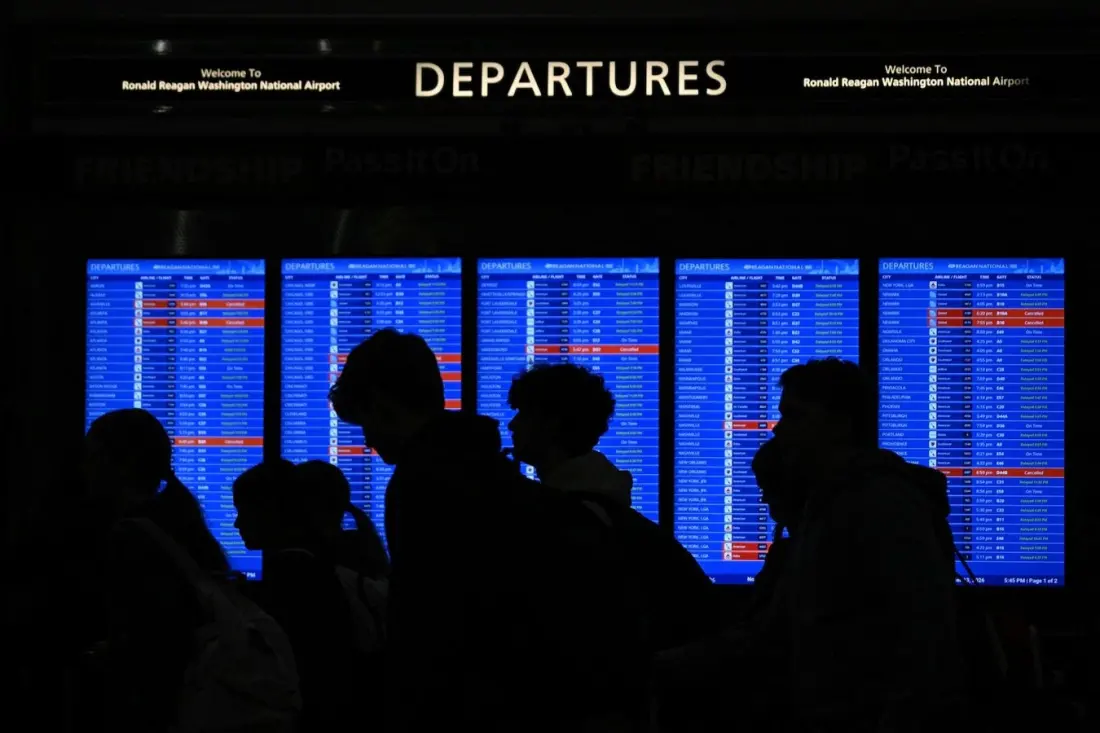
A weekend that saw more than 18,000 flights cancelled across the United States has eased, and schedules are back to normal — but the chaos has raised uncomfortable questions heading into one of the busiest travel weeks of the year. Between Friday and Sunday, a rare nationwide ground stop left millions of travellers stranded, and American Airlines is calling it one of the most significant disruptions in its 100-year history. The good news: no spillover is expected into Thanksgiving week. The bad news: the underlying problems aren't going anywhere.
The trigger was reportedly crews replacing a router, which set off a chain-reaction outage of critical FAA systems. It was the second nationwide ground stop since 2023 — after more than two decades without one following 9/11 — and both involved FAA technology failures. Layered on top of that is a chronically understaffed air traffic control workforce. Controllers routinely work six-day weeks and mandatory overtime, and staffing shortfalls were a major factor in mass cancellations during last year's government shutdown, plus the weeks of chaos at Newark Liberty International Airport in 2025.
FAA administrator Bryan Bedford didn't sugar-coat it when asked whether this could happen again. "The system is really, really old," he said. "It has been fragile, and it does go down."
There is money and momentum behind fixes. Congress earmarked $12.5 billion for infrastructure upgrades last year, and the FAA has stepped up controller hiring — though it takes years to fully train one. The Department of Transportation says far more funding is needed for sweeping modernisation, a request the airline industry backs publicly. United Airlines CEO Scott Kirby put it plainly: the system needs 100% staffing and the funds to modernise its technology. But securing that cash requires political dealmaking in a divided Washington, and even with money in hand, overhauling aviation infrastructure while tens of thousands of flights operate daily is slow, risky work.
For travellers, the reassuring part is safety. Experts stress that every plane in the sky during the outage landed safely, and the ground stop itself was a protective measure rather than a sign of danger. "Both things can be true," says Captain Shem Malmquist, a veteran Boeing 777 captain: flying is remarkably safe, and the vulnerabilities still need fixing.
So should you fly this Thanksgiving? By all accounts, yes — the weekend meltdown appears contained. But the episode is a reminder to build in buffer time, book morning flights when possible, know your refund rights, and consider travel insurance for peak-season trips. Systemic fragility means disruption risk doesn't disappear just because one crisis has passed.