A milk factory is not the usual travel story, but in Chitwan it says a lot about how the region actually runs. The Chitwan Milk Industry in Bharatpur, the main city of Nepal's southern Terai lowlands, has restarted production after being shut for roughly ten months. The closure came down to a simple problem: not enough raw milk. Supply had dried up to the point where the plant could not operate economically.
The restart is happening at reduced scale. The facility is currently collecting around 50,000 to 60,000 litres of milk a day, well below the 80,000 to 90,000 litres it handled in earlier years. This year's shortfall was driven by irregular supplies crossing the border, a reminder of how dependent Nepal's dairy chain is on cross-border flows. With the plant back online, dairies and village cooperatives that had been sitting on surplus milk are now routing it to Chitwan for processing into butter, ghee and milk powder.
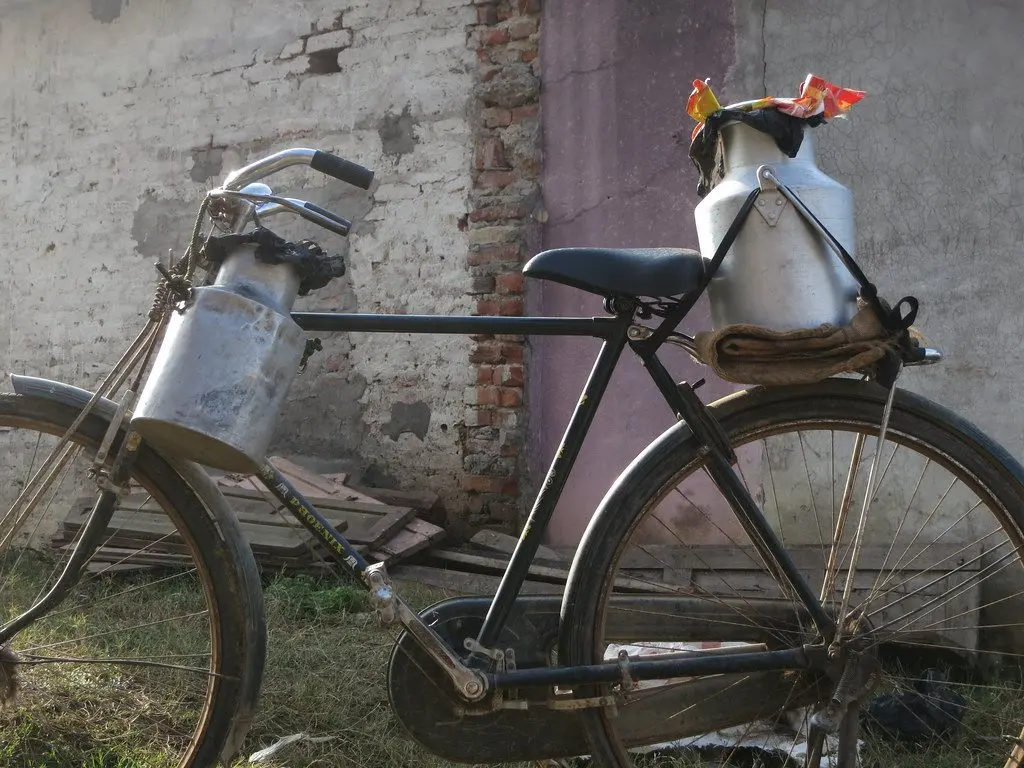
For anyone who has travelled through the Terai, none of this is surprising. Chitwan is one of Nepal's dairy heartlands, and small coops collecting milk from household farmers are as much a part of the scenery as the rhinos in the national park next door. A working dairy plant means steady incomes for those farmers and fewer rural families forced to consider migration or other work.
Does it matter to visitors? Indirectly, yes. Bharatpur is the gateway city for Chitwan National Park, and most travellers pass through it on the way to jungle lodges in Sauraha. A functioning local dairy industry supports the restaurants, tea shops and homestays that make a Chitwan trip affordable. It also keeps a distinctly local flavour on the menu — fresh curd (dahi) and milk tea are staples here, and they are noticeably better when the supply chain is healthy.
The caveats are worth noting too. The plant is running at roughly two-thirds of its usual intake, and the underlying supply problems have not been solved, only eased. Whether the reopening holds will depend on cross-border flows staying regular and cooperatives continuing to deliver. Still, for a region that relies on agriculture alongside tourism, getting its flagship dairy back to work after nearly a year is genuinely good news.
If you are planning a Chitwan trip, the dairy story is background rather than headline — the reason to go is still the national park, the Tharu culture and the slow river life on the Rapti. But knowing a bit about the local economy makes the stopover in Bharatpur more interesting than just a bus change.