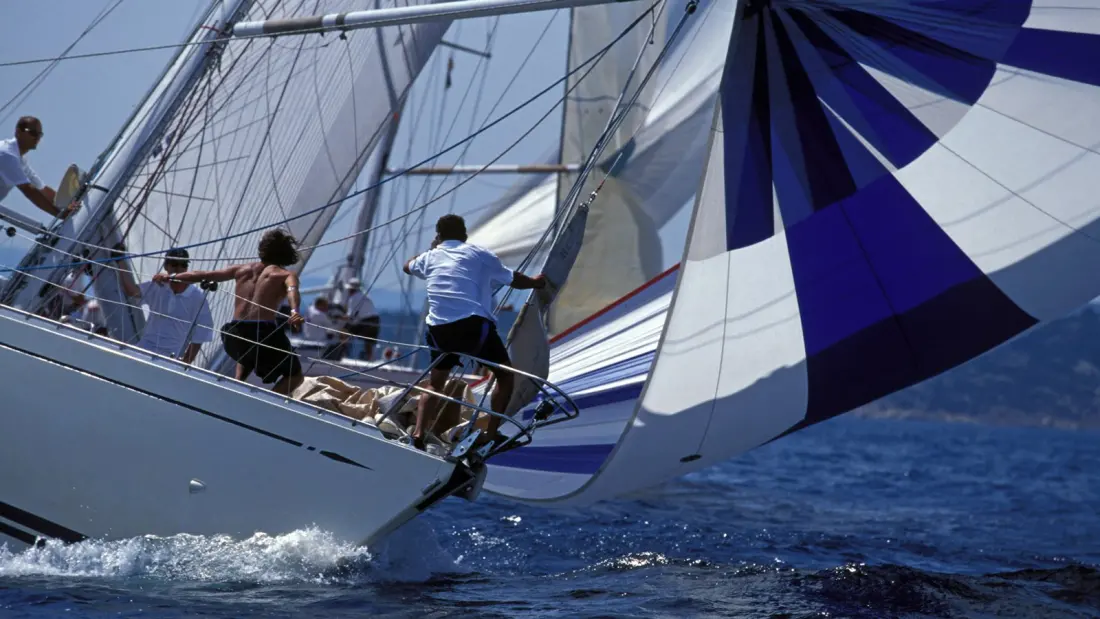
Yachtswoman Nikki Henderson has a confession: after years as a skipper and afterguard member, she recently got roped into running the foredeck of a race boat in 25, gusting 30 knots — and it knocked her down a peg in the best possible way.
Her argument, in a column for Yachting World, is aimed at anyone who has 'graduated' to the back of the boat and never looks back. Once you're calling tactics or trimming mainsheet, going forward again feels like a demotion: you get soaked, bashed about and blamed for every sloppy manoeuvre. But Henderson found that a single regatta on the bow restored something leadership quietly erodes — empathy. Bow crews depend on crisp, early communication about course changes, timings and start-line plans, and they burn more energy than anyone else while eating lunch last. Past 25 knots, she notes, they stop being hard-working crew and become brave hard-working crew.
There's a second thread to her piece: the health of fully crewed racing itself. Citing a recent essay by Stuart Greenfield, she worries about shrinking fully crewed fleets in the Solent, at a time when double-handed sailing is booming. Classes like the Sun Fast 3600, Sun Fast 3200 and JPKs are drawing big, competitive two-person fleets — and why not? Sailing short-handed means making every call, doing every job and learning fast, with no one watching over your shoulder.
Henderson's counterpoint is that nobody's watching is exactly the problem. On a fully crewed boat there are eight pairs of eyes on you, and a bungled manoeuvre gets noticed. It's uncomfortable, but it sharpens skills that short-handed sailing can let go rusty. Doing everything, she points out, doesn't mean doing everything well.
Her pitch: commit a winter season to a fully crewed boat in a role where mistakes are visible. You'll support a corner of the sport that genuinely needs new blood, and you'll probably return to your usual position next season more competitive — and, she suspects, a bit humbler and nicer for it.
For holiday sailors, the takeaway is broader than racing tactics. If you charter or race crew, swapping roles — even once — changes how you read a boat and its team. And if you've only ever sailed two-up with a partner, joining a proper race crew for a season or a regatta series is one of the fastest ways to level up, with camaraderie thrown in. Henderson reckons the social side of big-crew sailing still beats anything two-handed, served in a 'bigger, more flavoursome' portion.
It's a nudge worth taking seriously if you sail in the UK, where the club racing scene — especially in the Solent — is the classic place to find a boat short of a foredeck hand who'll happily teach you the ropes.