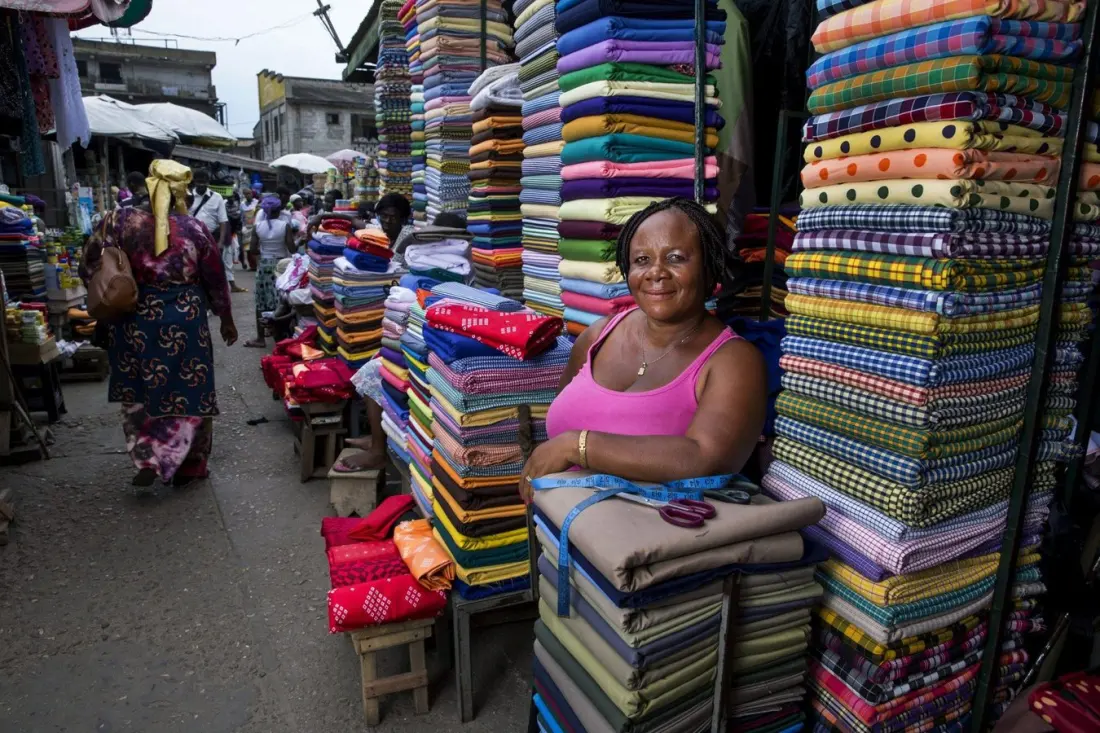
At six in the morning in Accra, Chef Maamle skips the restaurant and heads straight to Makola Market. She wants visitors to hear the traders, smell the dawadawa, see smoked fish stacked high, then come back to her kitchen to pound fufu and eat with their hands. That itinerary would never fit a glossy brochure — and that's exactly her point. The most interesting people in African tourism, she argues, aren't on billboards. They're the ones deciding what the continent actually says about itself.
Maamle is one of several storytellers profiled in a recent piece on who controls Africa's travel narrative, alongside South African travel creator Farirai Sanyika of Gophari, Ugandan event organiser Demo Riley of Vumbula, and Zimbabwe-bound traveller Tebogo Pin-Pin.
Maamle's mission is food. She worries that indigenous Ghanaian dishes are slipping away because they're labour-intensive, seasonal and hard to monetise — few young cooks will spend hours on something that sells slower than fast food. Her answer is Aprapransa Wednesdays: taking a heritage dish born from hard times, when palm nuts and roasted corn flour were all people had, and keeping its identity intact while making it work for modern diners. Her line on it: preserve the soul, adapt the body.
Her experience also exposes a harder truth. As a Ghanaian woman in hospitality, she says funding, commercial kitchen access and major platforms are all harder to come by — and a man cooking local food gets called a chef, while a woman risks being dismissed as someone who just likes the kitchen. On cultural appreciation versus extraction, her rule is respect: photograph the food, share it, but learn why and how it's eaten, keep its name intact, and if you want Ghanaian food on your menu, bring a Ghanaian into the room to tell the story.
In Uganda, Demo Riley flips the usual tourism model. Rather than waiting for attractions to pull visitors, his events create a reason to travel — a festival, a food night, a craft experience — so communities stop waiting to be discovered and start sending the invitation themselves. Meanwhile Sanyika's Gophari shows Africa as she experiences it rather than recycling marketed narratives, though she's candid that building a trusted brand in lesser-known places without steady funding is the hardest part of the job. And traveller Tebogo Pin-Pin found Zimbabwe bore little resemblance to the assumptions he'd absorbed before visiting — sometimes you just have to go and see.
For travellers, this is a genuinely useful shift. It means seeking out market tours over hotel buffets, cooking sessions over reheated cultural shows, and locally run festivals over imported itineraries. The ask is simple: credit and context, not consumption. Africa isn't short of stories — what's changing is who gets to tell them.