
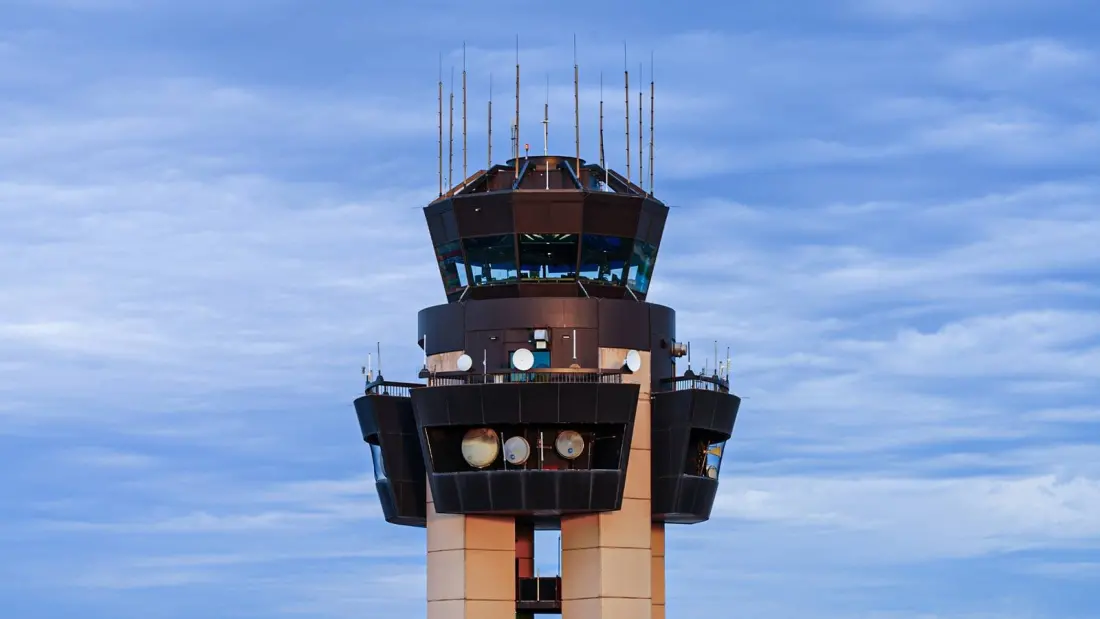
The people talking planes onto the runway are being paid like never before. New figures for 2026 put the median US air traffic controller salary at $144,580, with a federal cap of $228,000 once locality pay and premiums are stacked on top. Behind the eye-watering numbers sits a problem that affects anyone flying this year: there simply aren't enough controllers.
The FAA entered 2026 roughly 3,500 controllers short of its target, per Reuters. That gap is why delays keep piling up at major hubs, and why so many controllers are locked into mandatory six-day weeks with overtime at time-and-a-half. Mid-career staff at the busiest level-12 facilities can hit the $228,000 cap years before reaching seniority.
Where you work matters enormously. The New York TRACON — which handles approach control for JFK, LaGuardia and Newark — is the highest-paying facility, with senior controllers on $145,000–$185,000 base. Los Angeles approach follows at $140,000–$175,000, Chicago O'Hare's TRACON pays $135,000–$165,000, and Atlanta, the world's busiest airport, sits at $130,000–$155,000 before premiums. On top of base pay, Sunday shifts earn a 25% premium and night shifts between 6pm and 6am add 10%.
Washington is throwing money at the pipeline too. The 2026 framework includes a targeted 3.8% pay rise for the workforce, a 30% bump in starting salaries for FAA Academy trainees in Oklahoma City, and a retention bonus worth 20% of basic pay for every extra year a retirement-eligible controller stays on. The catch: the cap creates a strange paradox where senior controllers who hit $228,000 work remaining hours unpaid, and managers sometimes bench them late in the year — making the shortage worse.
The US isn't the only good deal. Swiss controllers at Skyguide top the global table on roughly $268,830 (about €228,225) a year, boosted by low taxes, universal healthcare and five weeks of mandated holiday. Dubai's controllers earn around $110,000 base but pay no income tax and often get housing and schooling allowances, so take-home can rival a capped-out American colleague. Australia averages about $122,000, with the UK's NATS at roughly $108,000 and Germany's DFS at $110,000.
Why should a holidaymaker care? Because controller shortages and burnout are a leading cause of delays and cancellations at US airports, and the FAA itself says the crunch will last well into the next decade. If you're flying stateside, building buffer time into connections — especially at New York, Atlanta, Chicago and other high-volume hubs — remains the sensible move. There's also a silver lining: better pay should eventually attract more recruits, which is the only real fix for the delays travellers keep absorbing. Full pay breakdowns via Simple Flying.