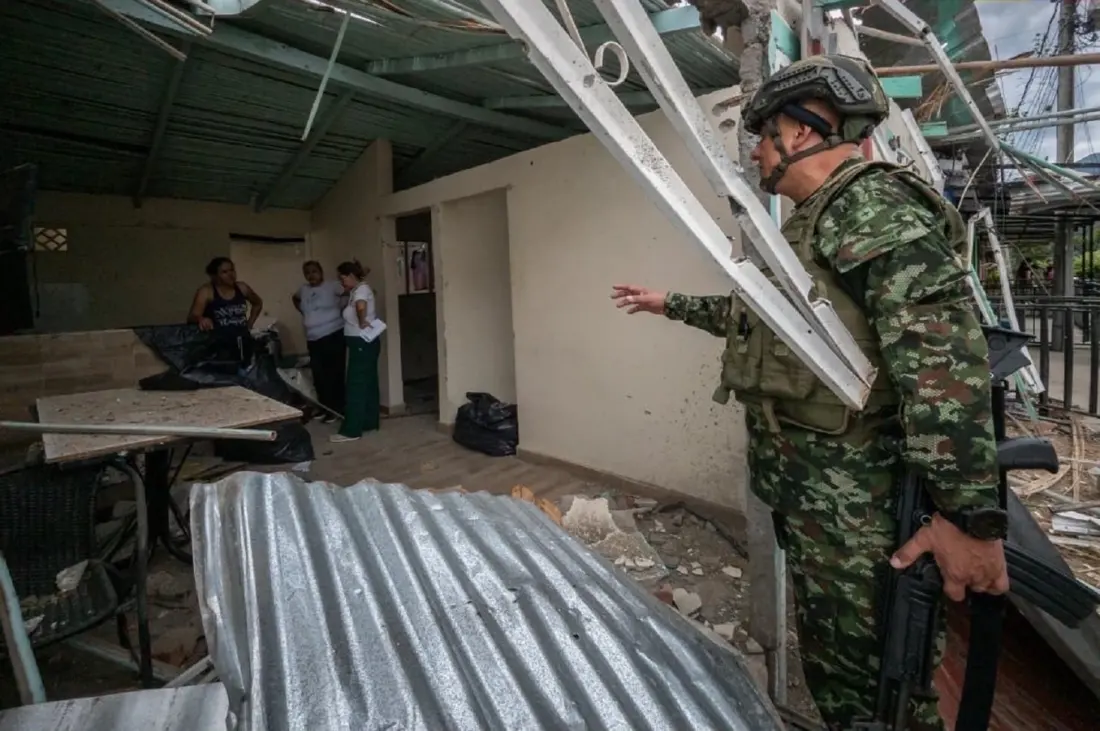
A baby of two months was among four people killed when a dump truck packed with explosives and weaponised drones detonated near an army battalion in Planadas, a remote municipality in Colombia's Tolima department, on the night of Sunday, November 1. At least 18 others were injured, and the blasts damaged homes, a pharmacy and the town's central hospital.
The Planadas bombing was the worst of seven attacks recorded across southern Colombia in just six days. A motorcycle bomb exploded near a health centre in Balboa, in Cauca, and another killed a police officer in Algeciras, Huila, with further incidents reported across Cauca and Valle del Cauca. Authorities blame dissident factions of the former FARC guerrilla group — notably the Central General Staff and Second Marquetalia — which are fighting each other and the state for control of coca routes and illegal gold mining in the country's southwest.
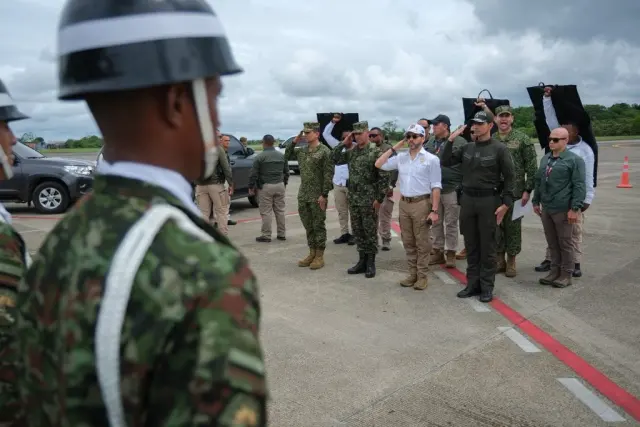
President Abelardo de la Espriella responded with a major escalation: more than 20,000 troops deployed to the affected departments, airstrikes, drones and fighter jets, plus the resumption of aerial spraying of illicit crops. Over 160 special forces soldiers have arrived in Planadas itself, where a field hospital has been set up to treat the wounded. The Defence Ministry has vowed there will be "no truce" for those responsible.
Why does this matter for travellers? The southwest — Tolima, Cauca, Huila and Valle del Cauca — is a beautiful but contested corner of Colombia, and this corridor matters to armed groups precisely because its Pacific-facing routes channel cocaine toward Central America, the US and Europe. Rural municipalities like Planadas, Ataco, Chaparral and Rioblanco are where the fighting is concentrated; these are small agricultural towns, not established tourist hubs, but the wider region includes places some travellers pass through or near, such as Cali and coffee-country edges.
For now, the practical takeaway is straightforward: check your government's current travel advice before planning anything in southern Colombia, avoid rural areas in Tolima, Cauca and southern Huila, and stick to mainstream routes and destinations. Major cities, the Caribbean coast, Medellín and the coffee axis remain a world away from this conflict, but road travel in the southwest deserves extra caution while operations are ongoing. Rural communities here have endured decades of armed conflict, and the coming weeks of intensified operations will bring a heavier military presence — and the potential for further clashes — to parts of the region.
Colombia's security picture has long been patchy rather than uniform, and most visitors notice nothing of it. But if your itinerary includes the southwest's national parks, hiking or off-the-beaten-path towns, follow local news and official guidance closely for the foreseeable future.