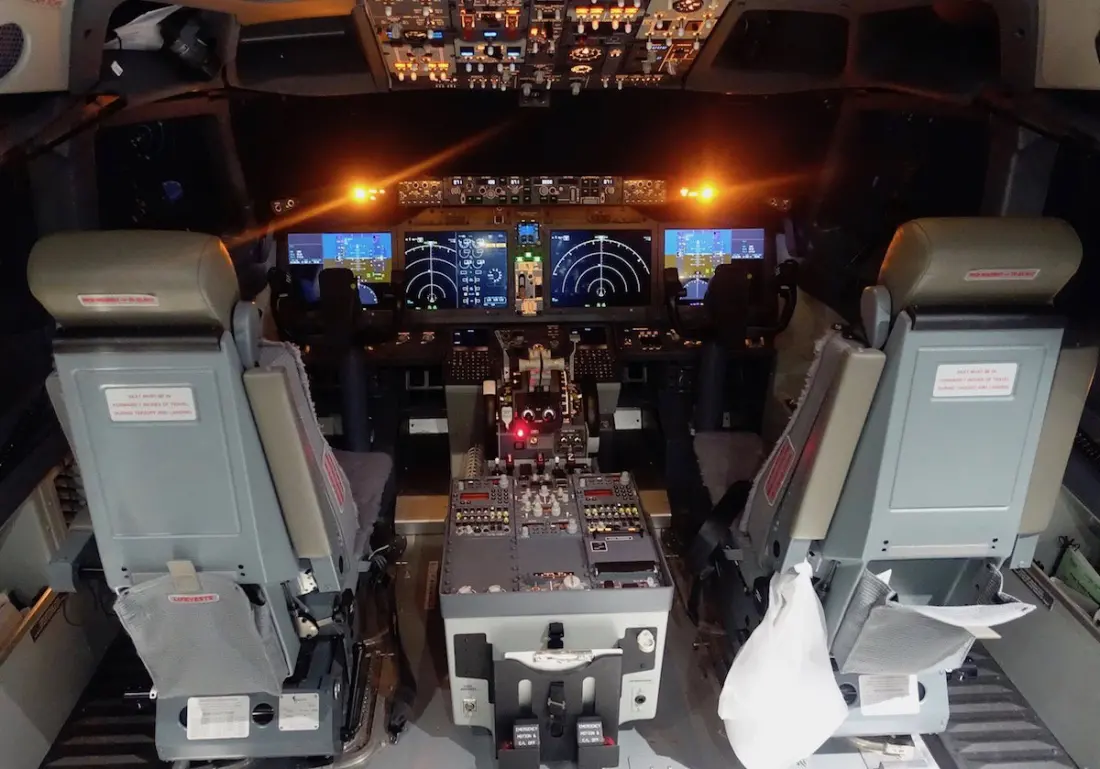
If you've ever wondered what actually happens up front during your flight, some of the people talking to your pilots from the ground are about to find out firsthand. The FAA is reinstating its Flight Deck Training program, which lets air traffic controllers take a seat in the cockpit jumpseat on commercial flights. It's the first time the scheme has run since it was paused at the start of the pandemic, meaning it's been dormant for more than six years.
The concept is straightforward: controllers and pilots work as a team, but they experience the same flight very differently. By sitting in on real flight deck operations, controllers can see pilot workload up close — how cockpit procedures unfold, and how their own radio instructions land on the other end. The FAA says trials of the program showed real benefits, including a better sense of when to hold off on complex instructions and how something as routine as switching a landing runway can pile pressure onto a flight crew.
The logistics have some structure. Controllers can take two flights per year under the program, and their air traffic manager signs off based on staffing levels at their facility. Applications are submitted electronically for specific flights and must include a training objective. Once approved inside the FAA, the request goes to the airline, and the controller faces several layers of vetting at the airport and again at the aircraft door. Afterwards, they file a report on what they learned. Every major US airline has agreed to take part, and the program is expected to launch shortly after Thanksgiving.
The revival is a joint effort between the FAA and the National Air Traffic Controllers Association. FAA Administrator Bryan Bedford called controllers the backbone of the National Airspace System and framed the program as a way to improve communication by giving both sides a close-up view of each other's jobs. NATCA President Nick Daniels was equally blunt in his support, arguing there's no substitute for firsthand cockpit experience when it comes to understanding how controller decisions ripple through a flight.
So why should a traveller care? Because better mutual understanding between the people on the flight deck and the people working traffic on the ground translates directly into smoother, safer flights. Controllers who grasp how their phrasing and sequencing affects pilots can make smarter calls in real time — and passengers feel the difference in fewer go-arounds, clearer communication and more efficient operations. It's also a quietly reassuring sign of a system investing in its people at a time when controller staffing has been a recurring worry for US travellers.
There's a fun element too, even if it's one most of us will never experience. Jumpseat rides are the stuff of avgeek dreams — cockpit views of a landing in a large jet are hard to beat. Just don't expect the controllers to chat much up there: jumpseat occupants stay silent during critical phases of flight. Still, you have to wonder what certain famously blunt JFK tower controllers would make of watching pilots work from a metre away, keeping their commentary to themselves.