Ecuador is in the middle of an energy crisis, and two former officials say it didn't have to be this way. Former Energy Minister Fernando Santos argues that ready-to-build renewable projects — geothermal, wind and solar — were shelved by the government of President Daniel Noboa, despite being approved and funded under the previous Lasso administration. Together they would have added roughly 800 megawatts, which Santos says would have been enough to cover the current shortfall. The money, he notes, had already been authorised by the Inter-American Development Bank, so proceeding wouldn't have touched the new government's budget.
Santos is careful to spread the blame wider, though. He says Noboa inherited a system weakened by years of underinvestment from successive governments, each of which, in his words, kicked the problem down the road. Rising demand has only made the underlying weakness more obvious.
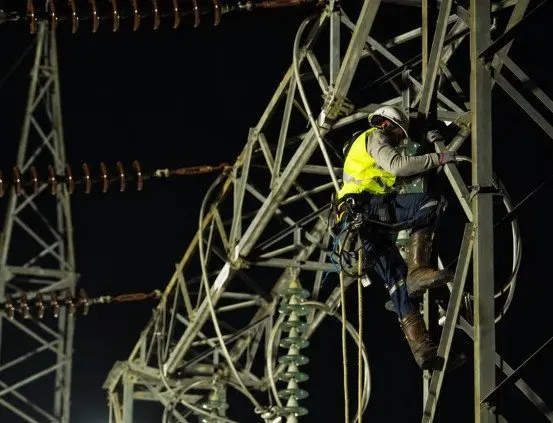
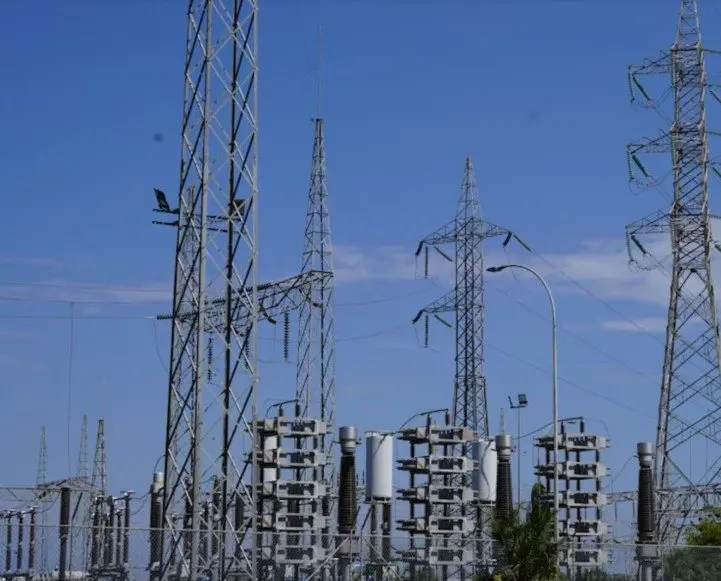
Juan Pablo Serrano, a former contractor to the National Electricity Corporation, is blunter. The 2024 blackouts should have been the wake-up call, he says, but beyond two expensive emergency generator purchases little was done. The government's own figures pointed to a need for 1,650 megawatts to get through 2026 — a calculation made before the full force of El Niño was known — yet only 126 megawatts of new capacity have actually reached the grid.
One bright spot: electricity transfers from Colombia have resumed, which Serrano calls good news but barely a fix. On one recent Friday, imports covered just 1.36% of national usage — nowhere near enough to replace lost generation at the Mazar and Minas San Francisco hydro plants. His frustration is pointed: Ecuador keeps relying on its neighbour's goodwill instead of building its own capacity. His proposed remedy is straightforward — bring in recognised energy professionals, give them real backing, and produce a long-term plan, something every recent government has promised and none has delivered.
For anyone planning a trip to Ecuador, this is more than political noise. Rolling blackouts have become part of daily life in cities like Quito and Cuenca, affecting shops, restaurants and traffic lights. Travellers should expect scheduled power cuts, carry a power bank, keep devices charged, and book accommodation that advertises backup generators. Hotels in major tourist areas generally cope better than smaller guesthouses, and blackout schedules are usually published in advance, so check locally before planning evening activities. The crisis doesn't make Ecuador off-limits — the country's highlights, from the colonial centre of Cuenca to the Galápagos, remain very much open — but it's worth factoring into timing and expectations. Keep an eye on news before you go, since the situation and the daily cut schedules keep changing.
For now, the short-term answer is Colombian imports and emergency generators; the long-term answer, critics insist, is the plan that keeps failing to materialise.